28 May 2026

What if the elegant, sun-dappled streets you wander today were once the high-stakes stage for royal rebellions and the beating heart of a global wool empire? It’s often difficult to connect the vibrant energy of our modern town center with the dramatic history of taunton, especially when textbook descriptions feel dry and disconnected from the physical places you can actually visit. You likely believe that a town’s heritage should be felt in its atmosphere and seen in its architecture, rather than just read on a faded plaque.
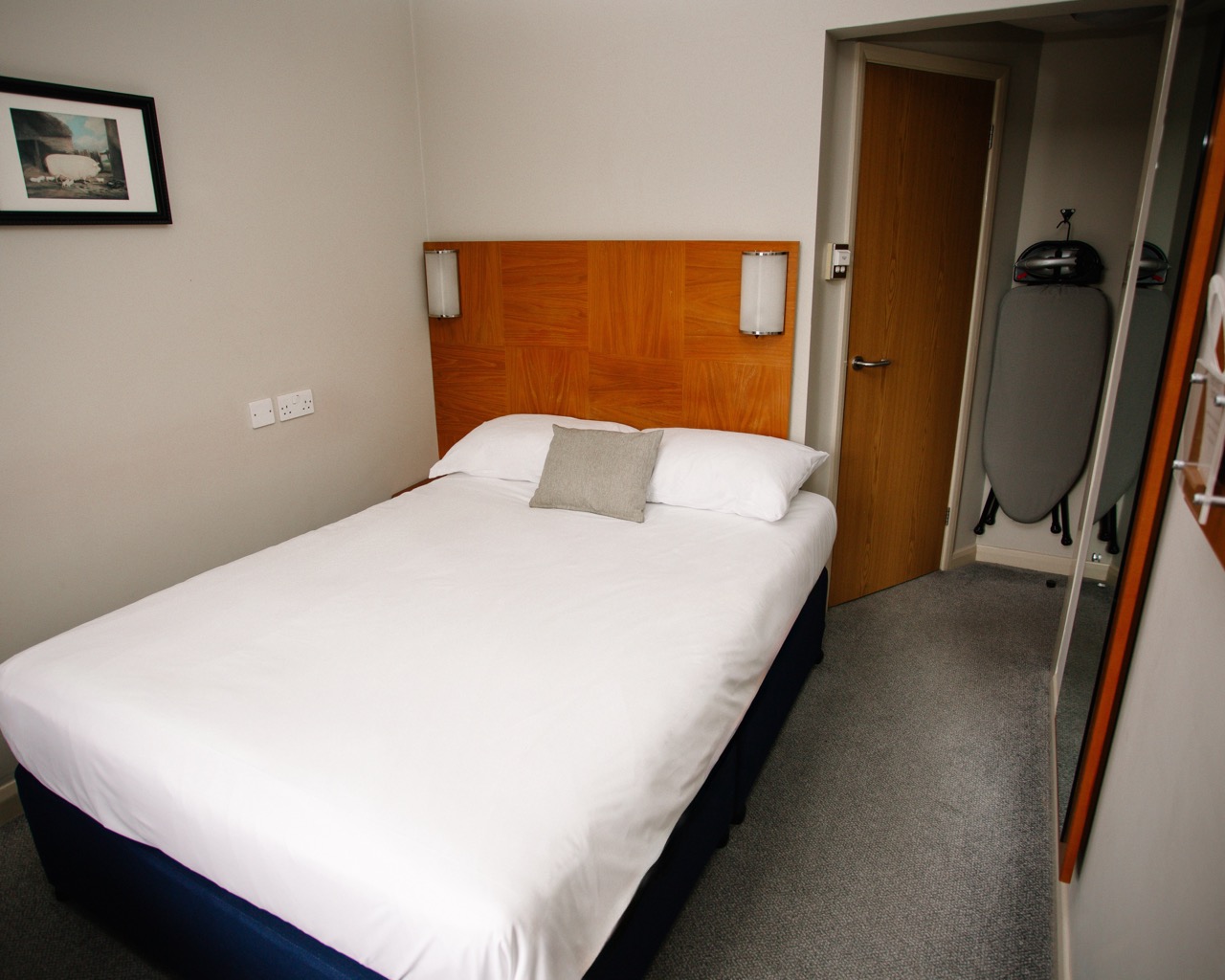
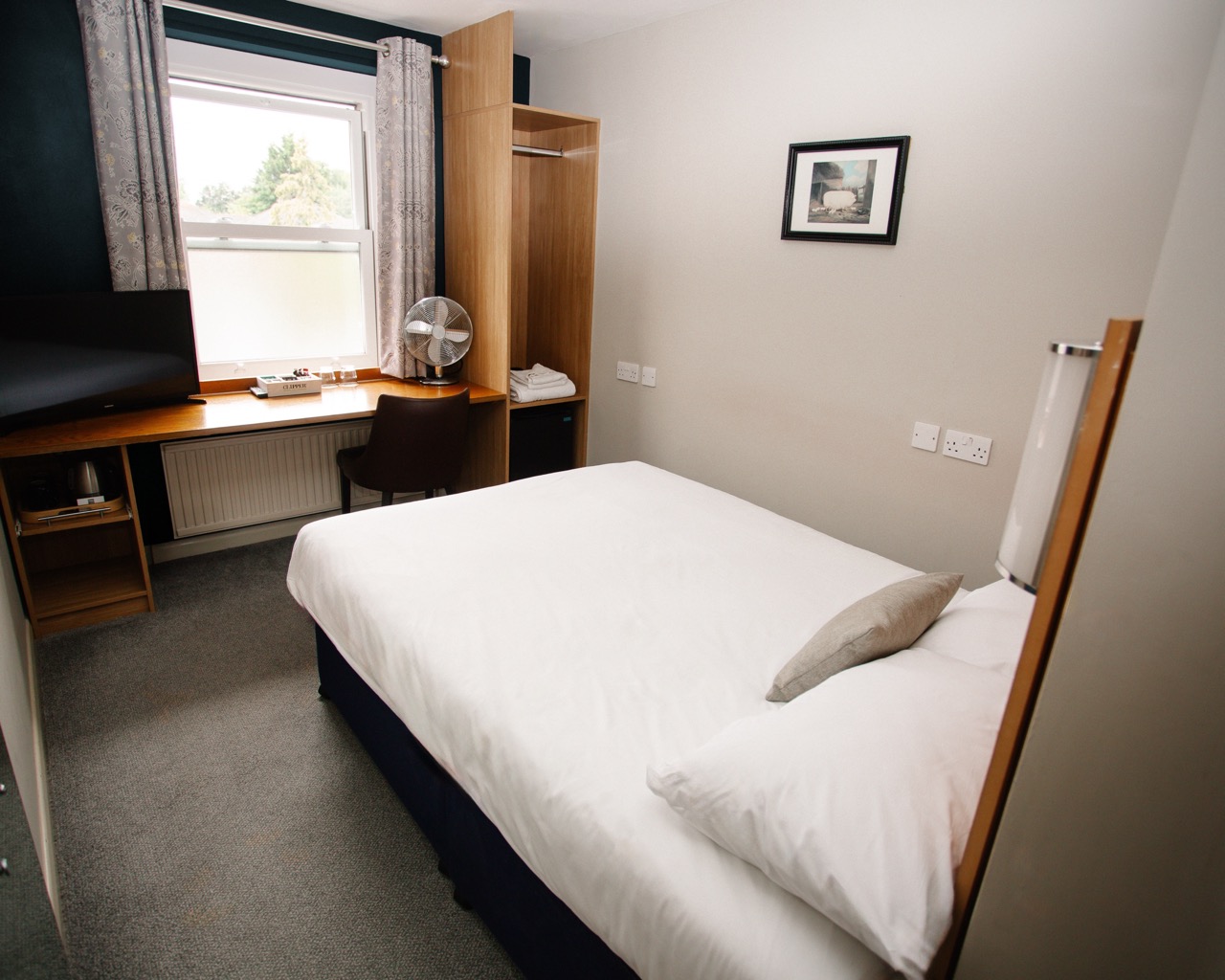
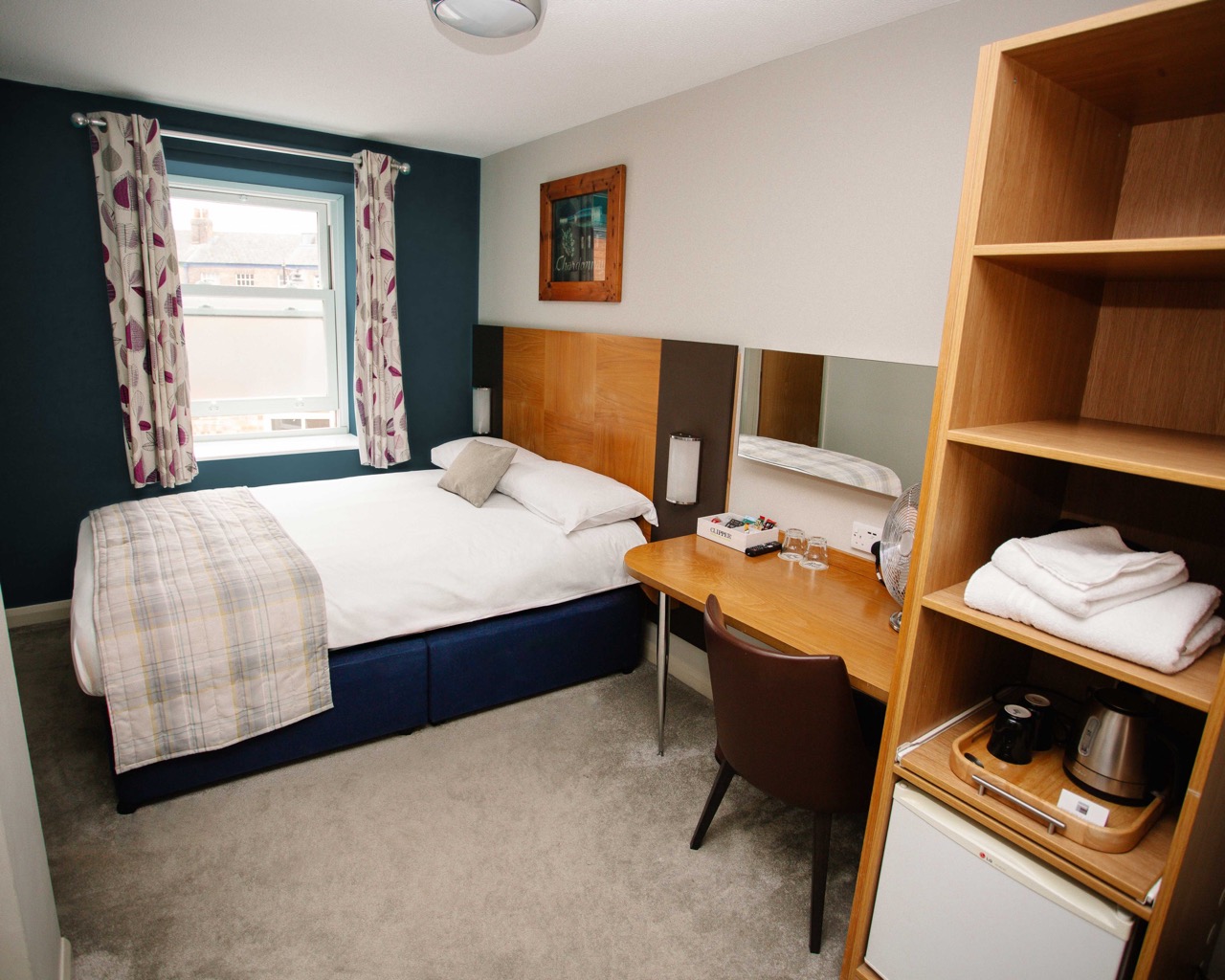
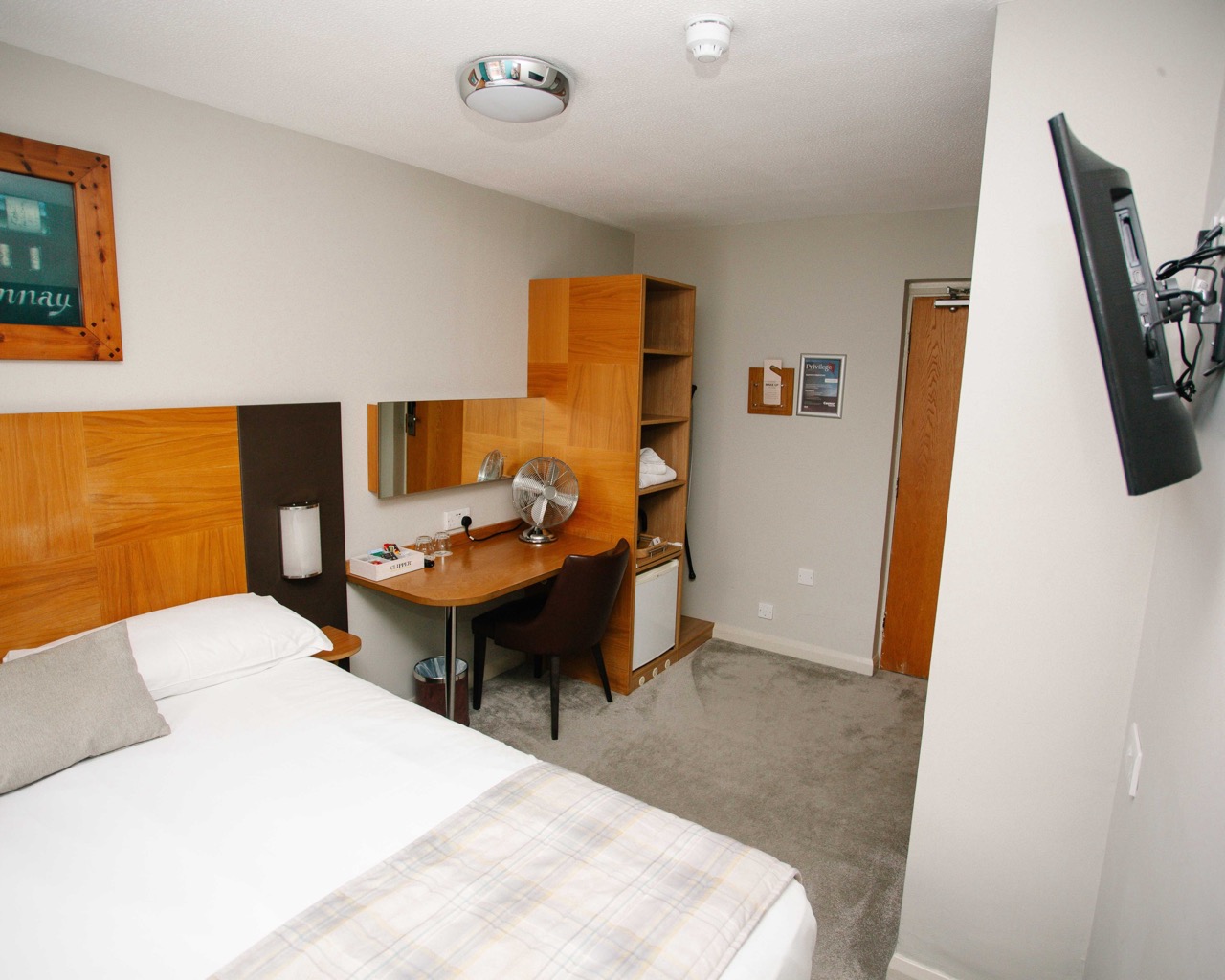
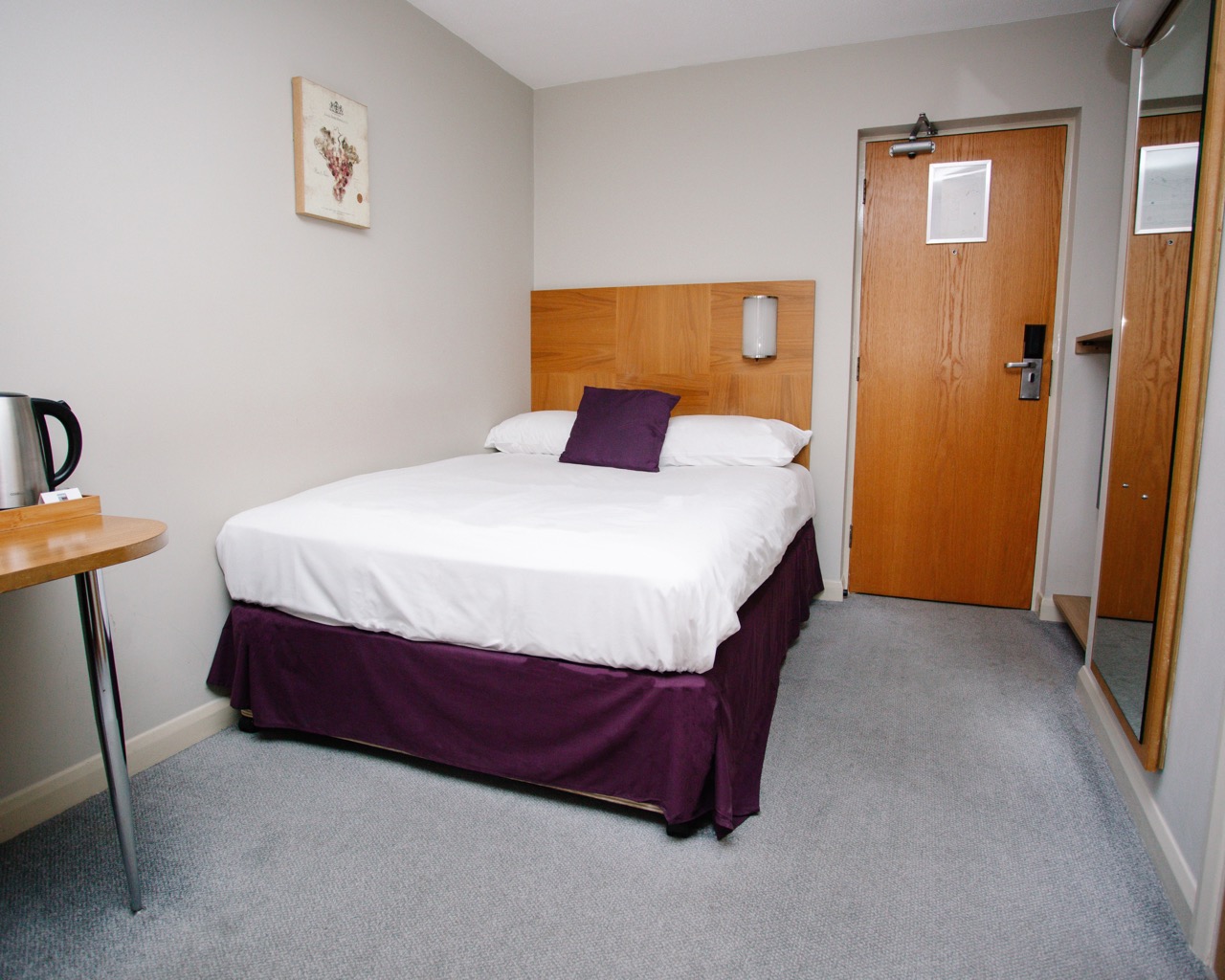
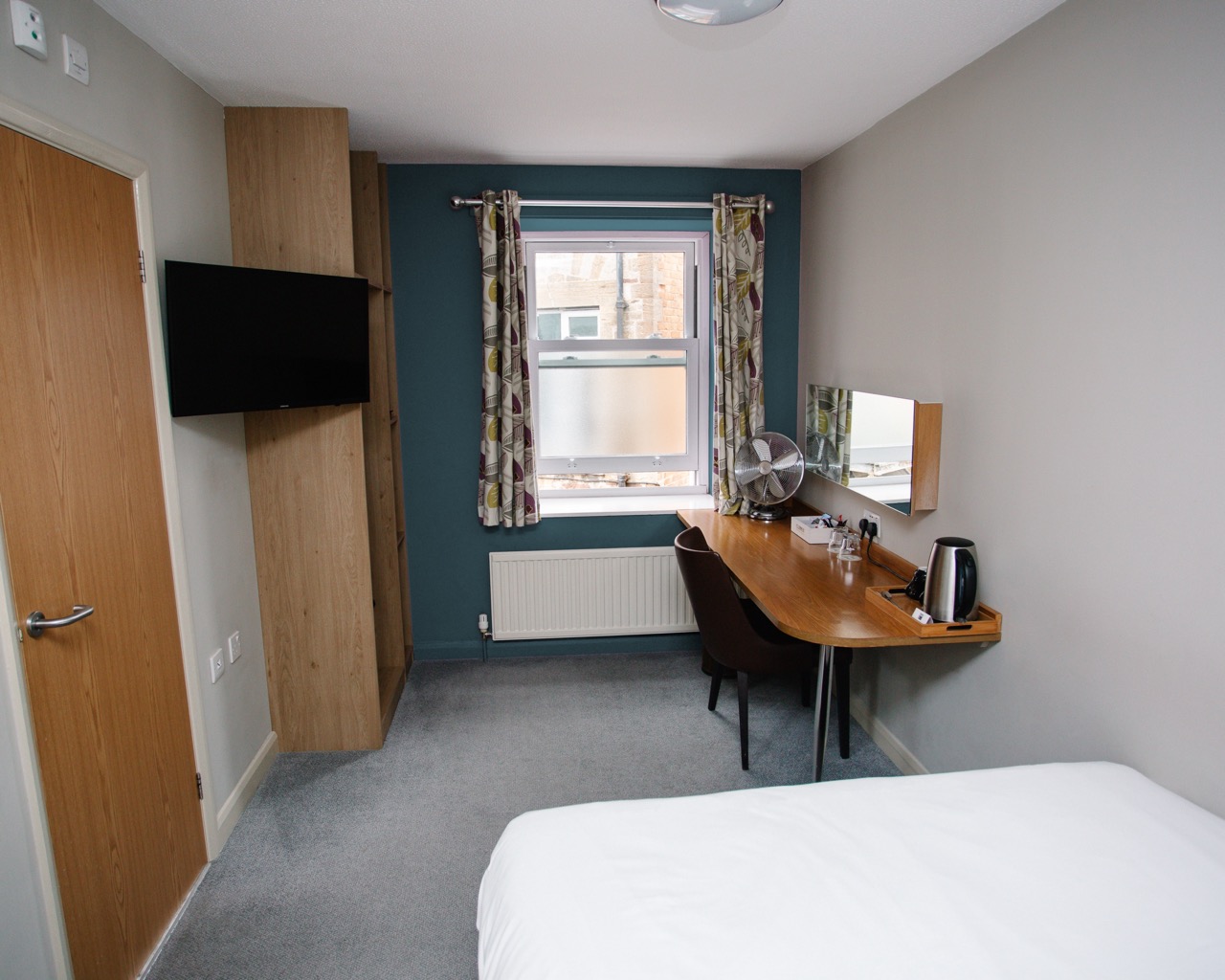
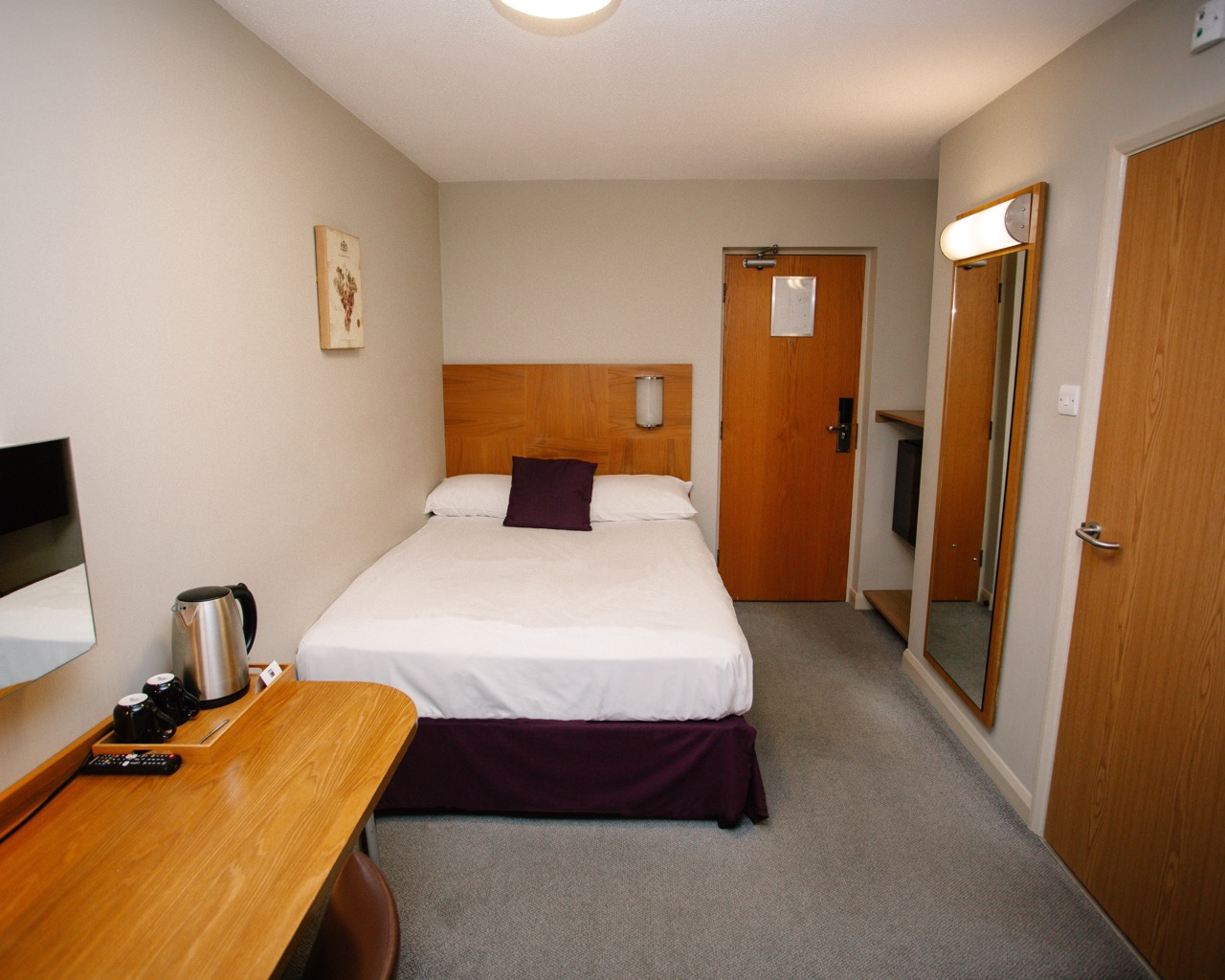
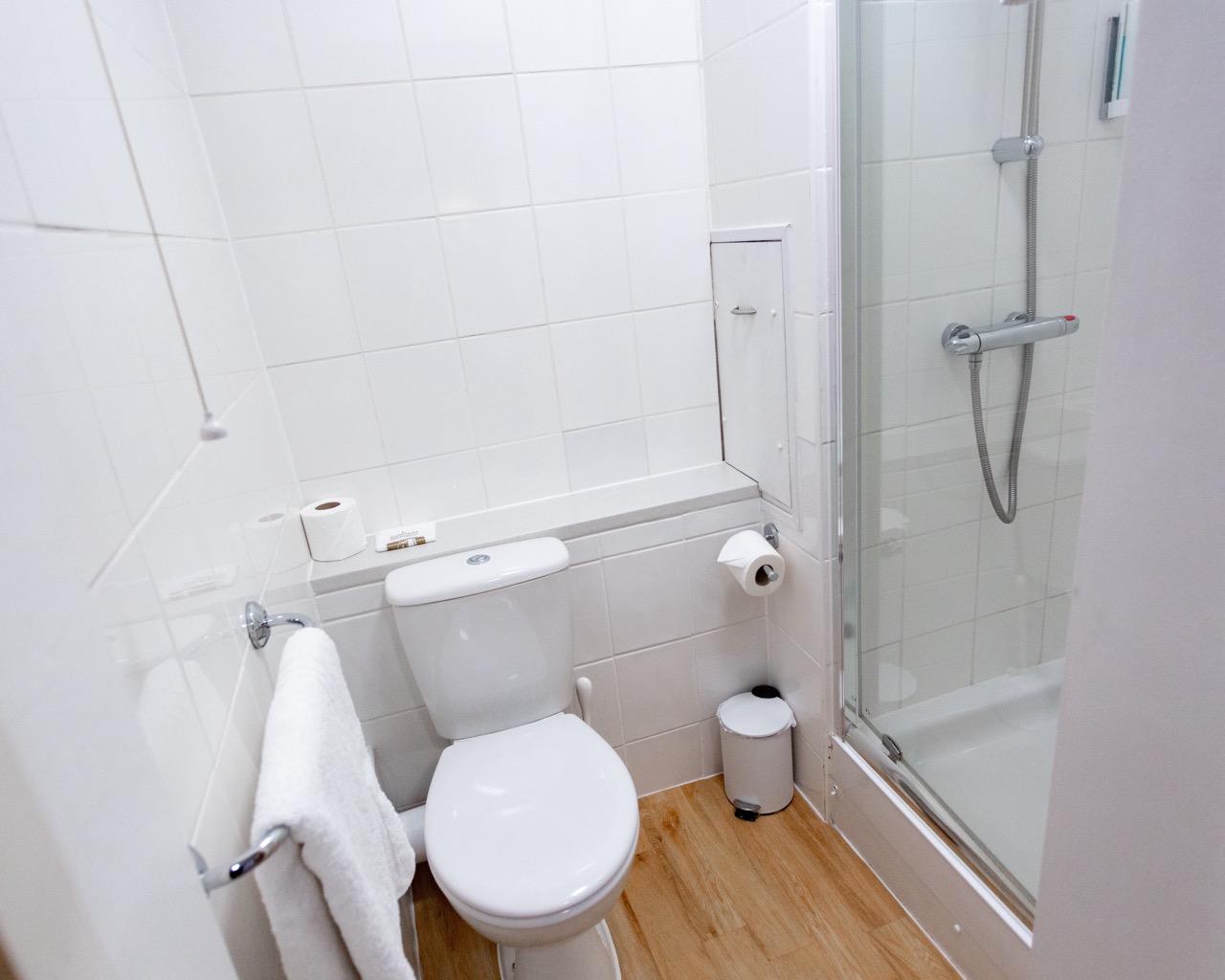
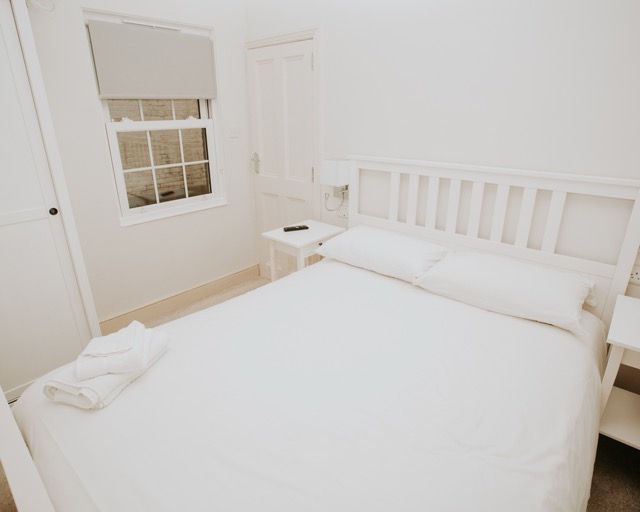
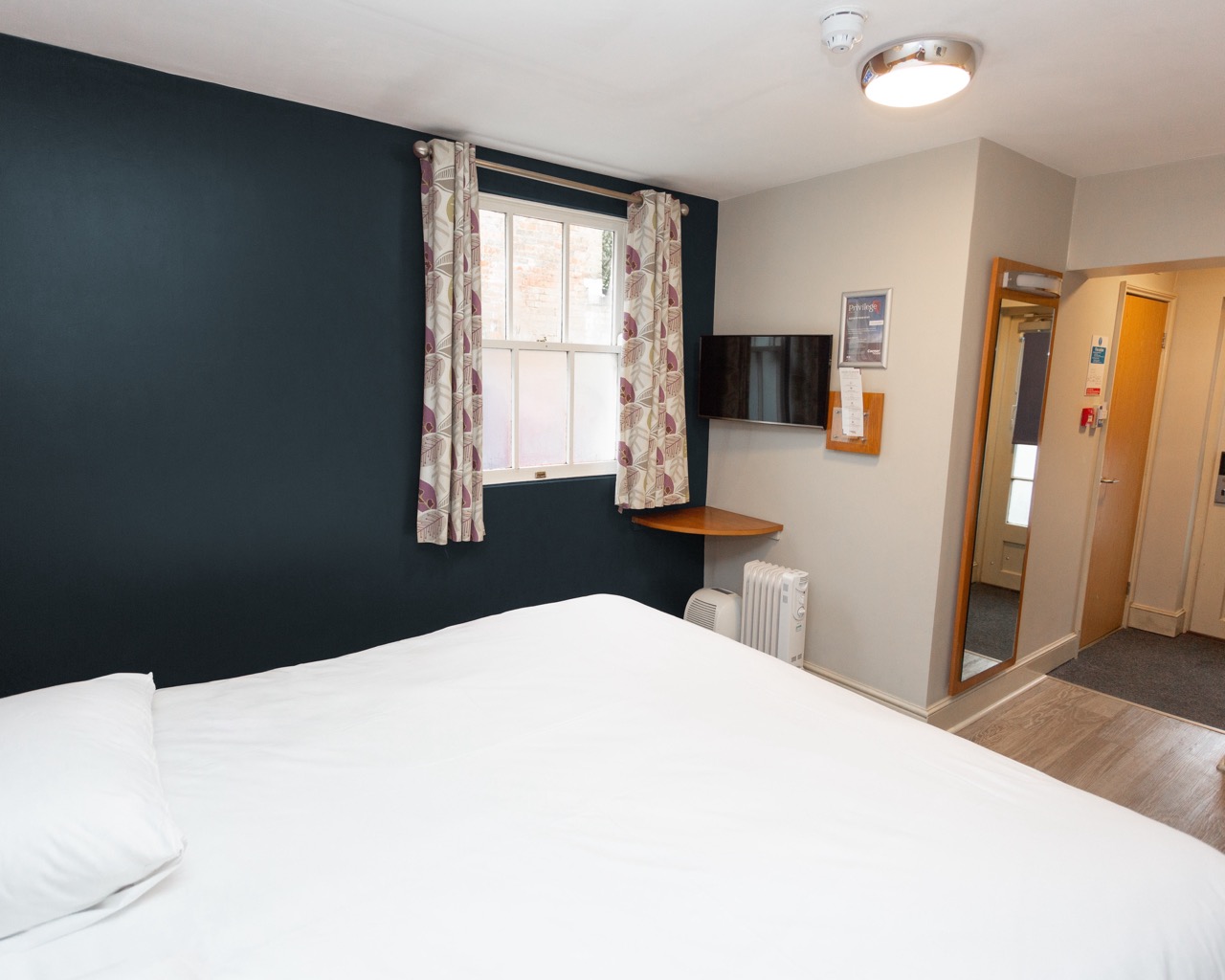
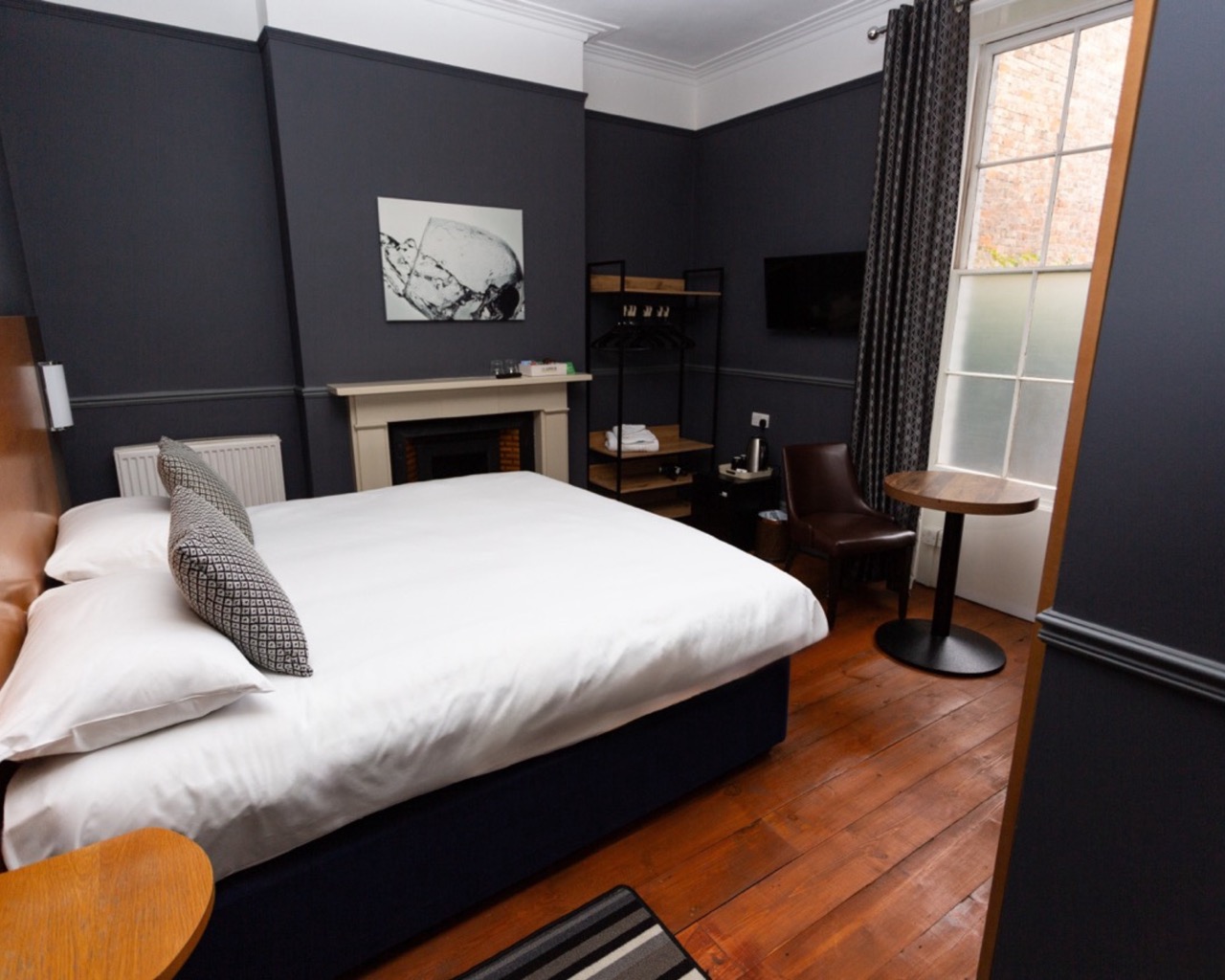
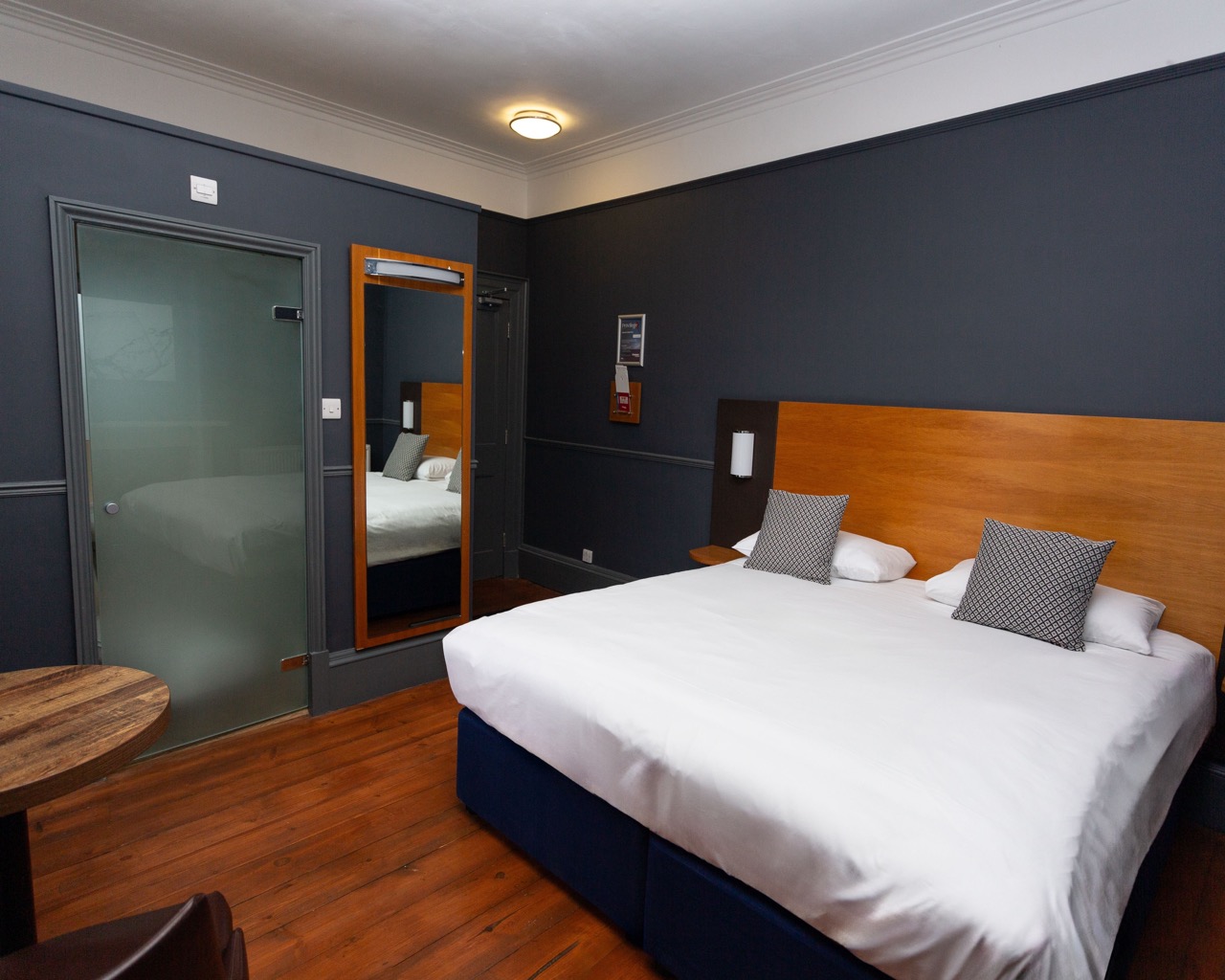
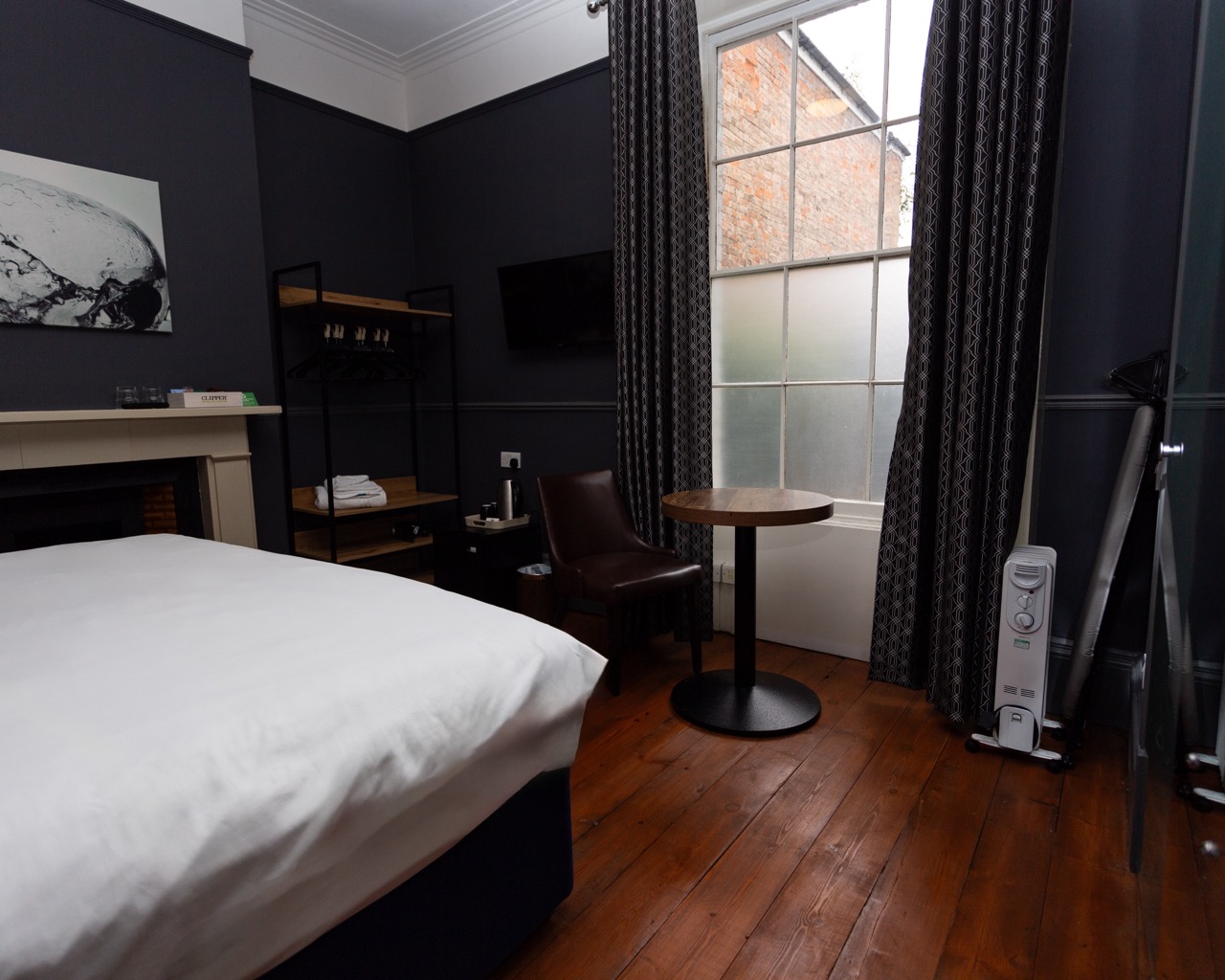
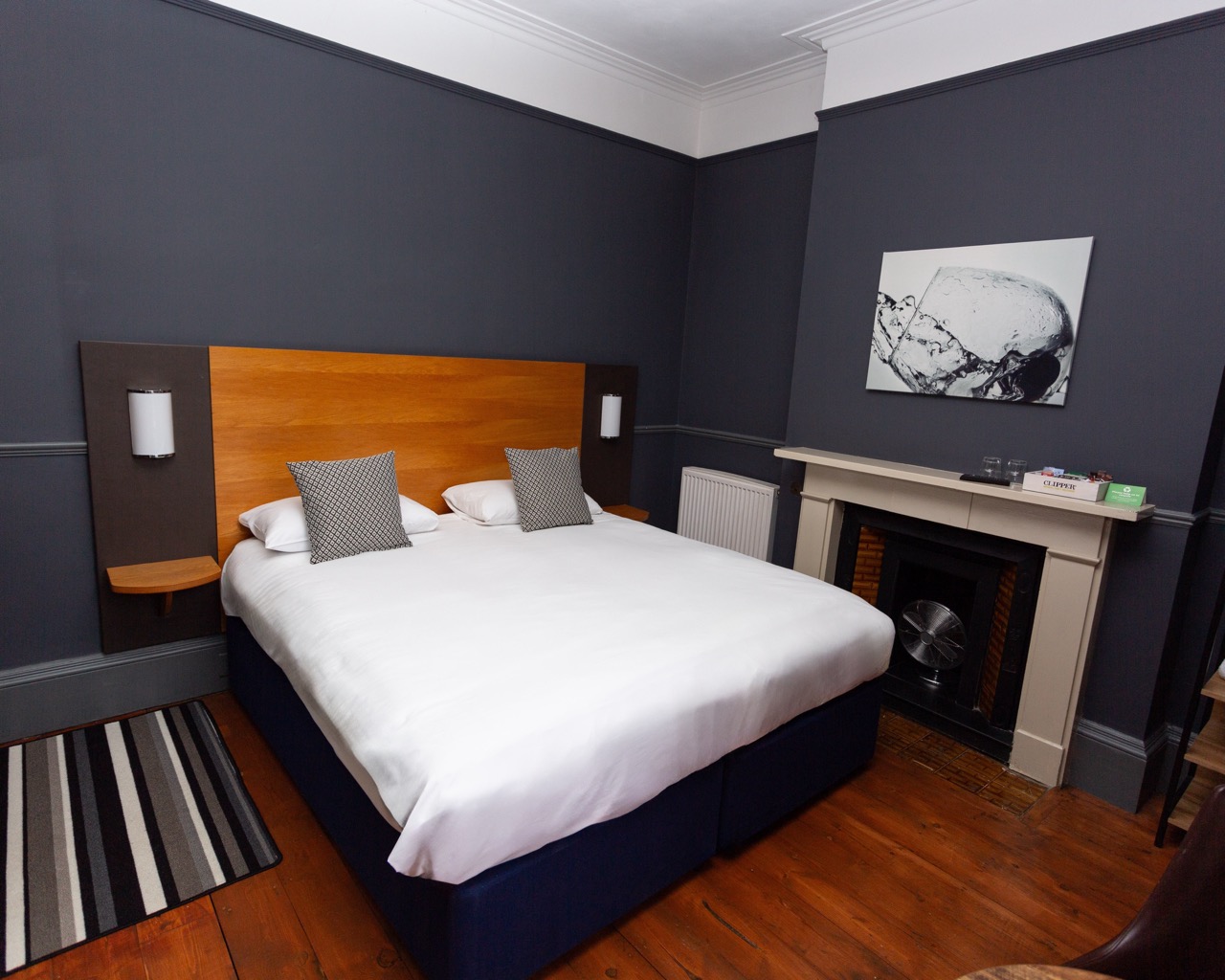
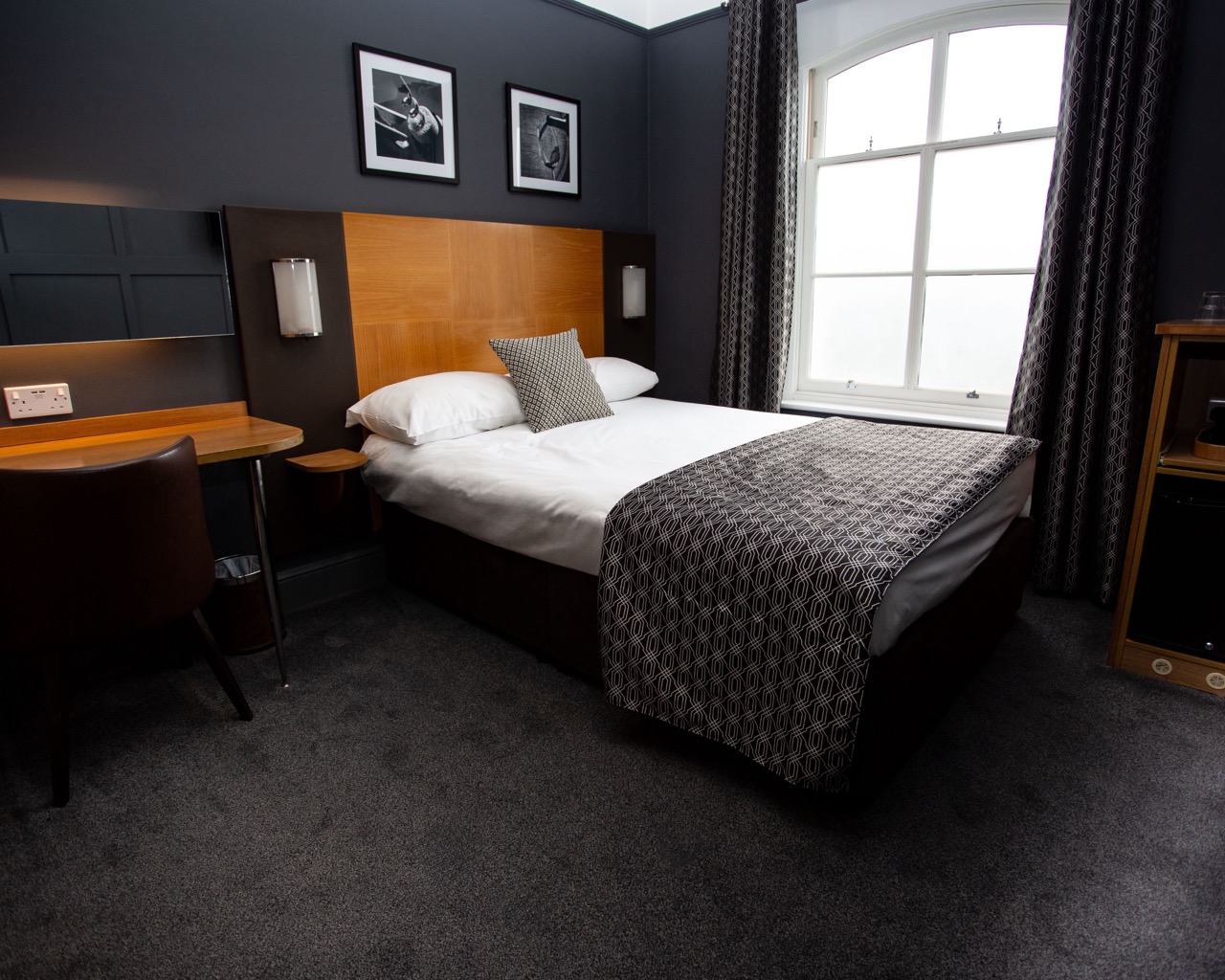
This journey will transform your perspective, revealing the captivating story of Somerset’s county town from its royal Saxon roots to its graceful Victorian evolution. We’ll help you decode the layered eras of the castle and understand exactly how medieval trade routes shaped the inviting layout we enjoy today. From the free, immersive exhibits at the Museum of Somerset to the sites of turbulent sieges, we are exploring the landmarks that define our regional pride before you settle in for a legendary Sunday Roast or a restful night in one of our Superior Double Rooms.
Taunton’s story begins with the gentle flow of the River Tone. The town’s name, “Tone Tun,” reflects a marriage of Celtic and Saxon language, literally meaning the settlement on the Tone. This wasn’t a quiet backwater. By the 8th century, King Ine of Wessex established a formidable fortress here, anchoring Taunton as a royal center of Wessex. This strategic choice laid the foundation for the History of Taunton, creating a legacy of importance that continued through the Norman conquest. By 1086, the Domesday Book recorded a vibrant community of 1,500 residents, three busy watermills, and a market that drew traders from across the region.
The river provided more than just a name; it was the engine of medieval prosperity. Taunton became a powerhouse of the wool trade, specializing in the “fulling” process. Watermills used heavy wooden hammers to beat the cloth, cleaning and thickening the fibers to create a durable, high-quality product. This Somerset cloth was so sought after that it was exported as far as France and Africa. The wealth from this trade didn’t just fill pockets; it reached for the heavens. The stunning, intricate church towers you see today were largely funded by the “wool churches” era, showcasing the immense pride and resources of our medieval ancestors.
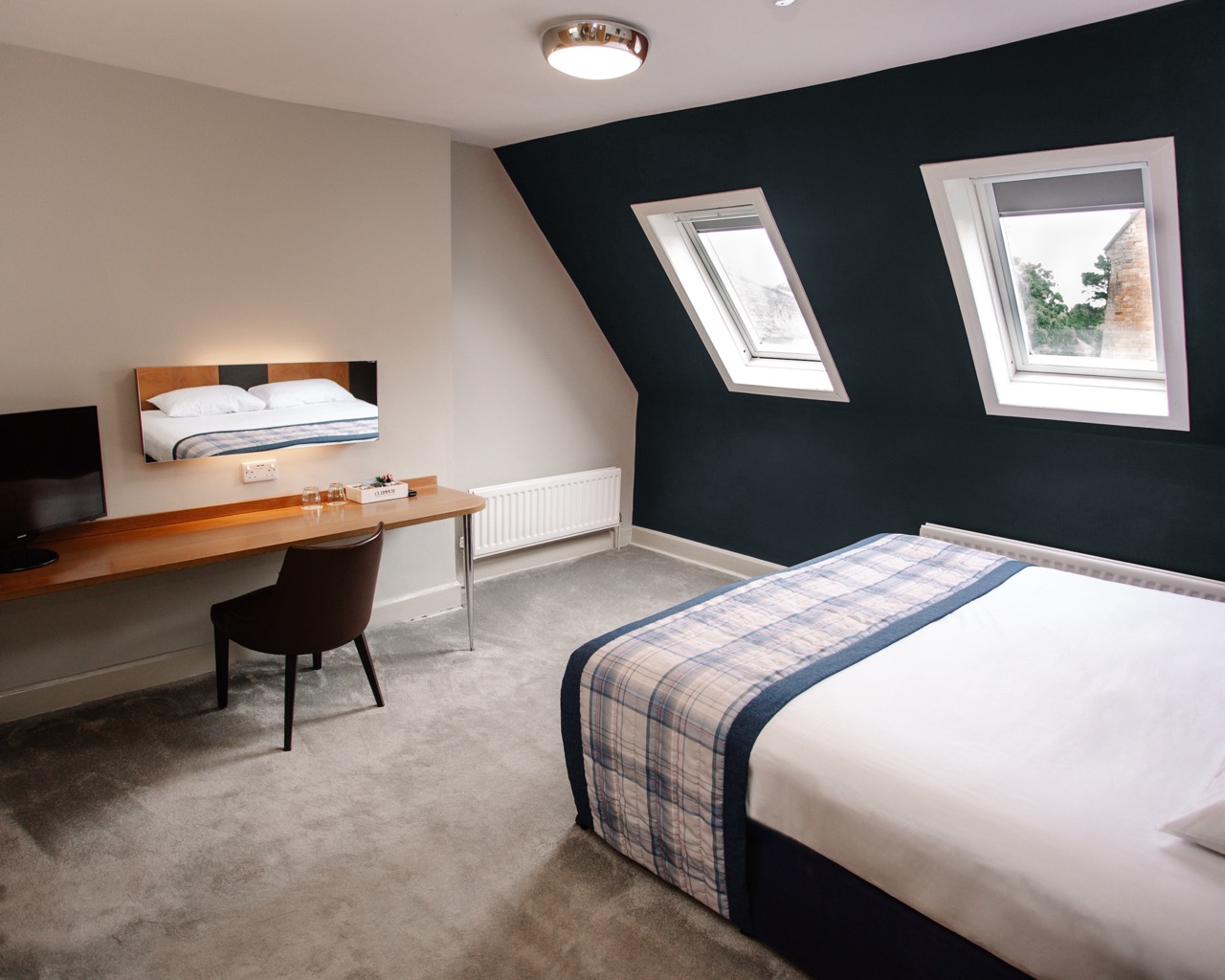
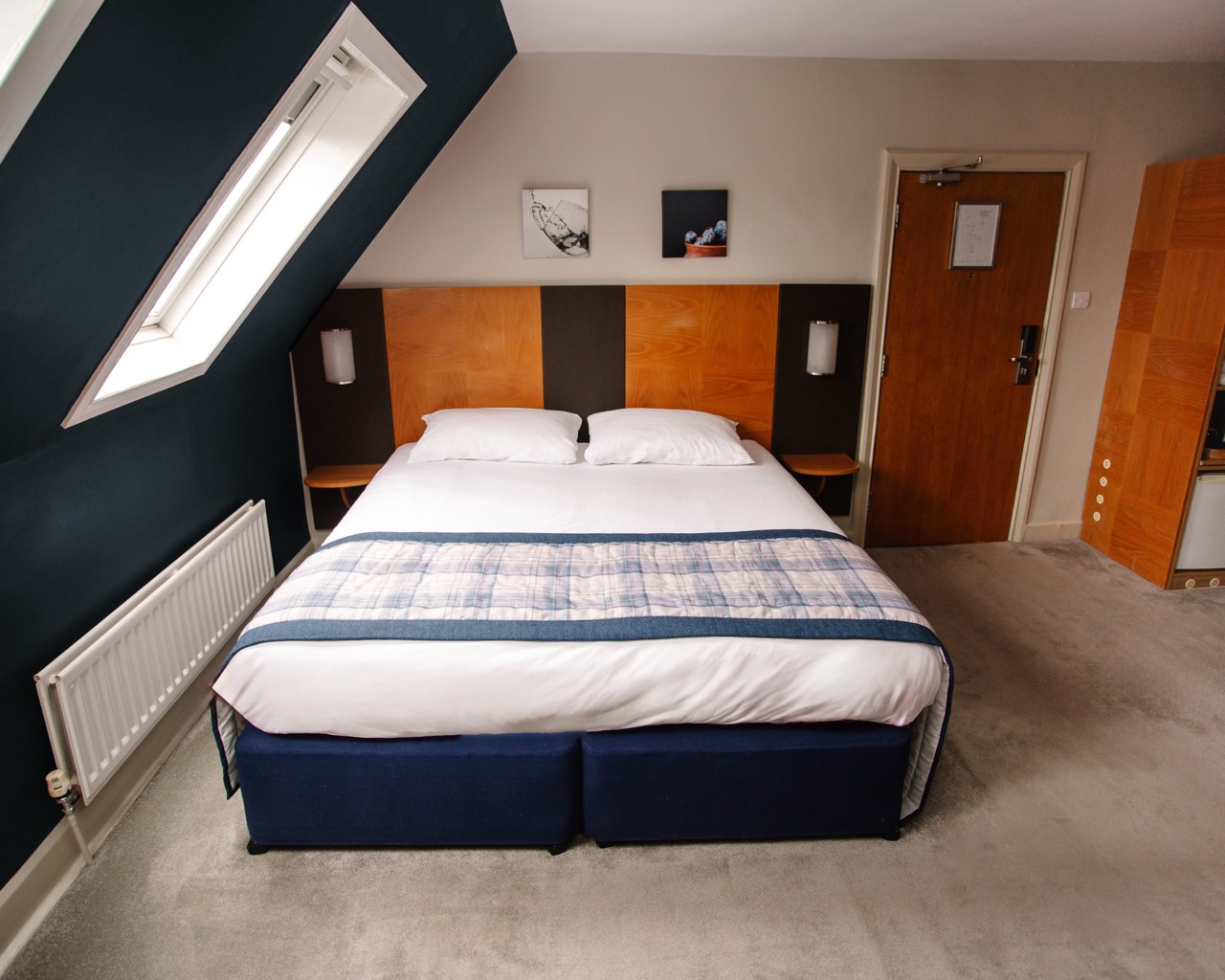
At the heart of this thriving town stood Taunton Castle. It evolved from King Ine’s early wooden fort into a grand stone stronghold under the powerful Bishops of Winchester. This wasn’t merely a defensive site; it was the administrative nerve center for one of England’s wealthiest bishoprics. For centuries, the castle managed the vast estates and legal affairs of the region, cementing the town’s status as a seat of authority. Today, the castle walls remain a central landmark for any visitor. When you’re resting in a Superior Double Room, you’re just a short stroll from these ancient stones, where the echoes of bishops and kings still linger in the air.
The 17th century brought a dramatic shift to the History of Taunton. While the town had previously flourished through the peaceful hum of watermills and the wool trade, it soon became a central stage for England’s most violent internal conflicts. During the English Civil War, Taunton stood as a defiant Parliamentarian stronghold, isolated within a largely Royalist West Country. This era is defined by the grit of Robert Blake, whose refusal to surrender through three brutal sieges became the stuff of local legend. When faced with starvation, he famously declared he would eat his boots before giving up the town to the King’s forces.
Conditions inside the town walls were truly desperate during the blockade. Residents faced extreme hunger and constant bombardment, yet the community held firm until Parliamentarian forces finally broke the siege in 11 May 1645. This period of intense conflict left a physical mark on the town; it forced a reconstruction of its defenses and influenced the street patterns we walk today. After a day spent exploring these historic sites, many visitors find comfort in the communal warmth of a Sunday Roast, reflecting on the resilience of those who defended these very streets centuries ago.
Peace was short-lived, however. In 1685, the history of taunton took another sharp turn when the Duke of Monmouth was proclaimed King on The Parade during his ill-fated rebellion. The local support for his cause was passionate but ultimately tragic. Following his defeat at the Battle of Sedgemoor, the town witnessed the arrival of the “Bloody Assizes,” a period of judicial retribution that remains one of the darkest chapters in Somerset’s past.
The infamous Judge Jeffreys held court in the Castle’s Great Hall, where he delivered ruthless sentences to those involved in the uprising. Hundreds of local men were executed or transported to the West Indies, a heavy price for their loyalty to the “Protestant Duke.” Today, you can step into that very same Great Hall at the Museum of Somerset, which is free to enter from Tuesday to Saturday. It’s a somber, powerful space that connects the elegance of the modern town to the high-stakes drama of its rebellious history; for those captivated by such dark, atmospheric tales, you can discover Graham Mulvein’s World of Horrors for a modern exploration of gothic fiction.
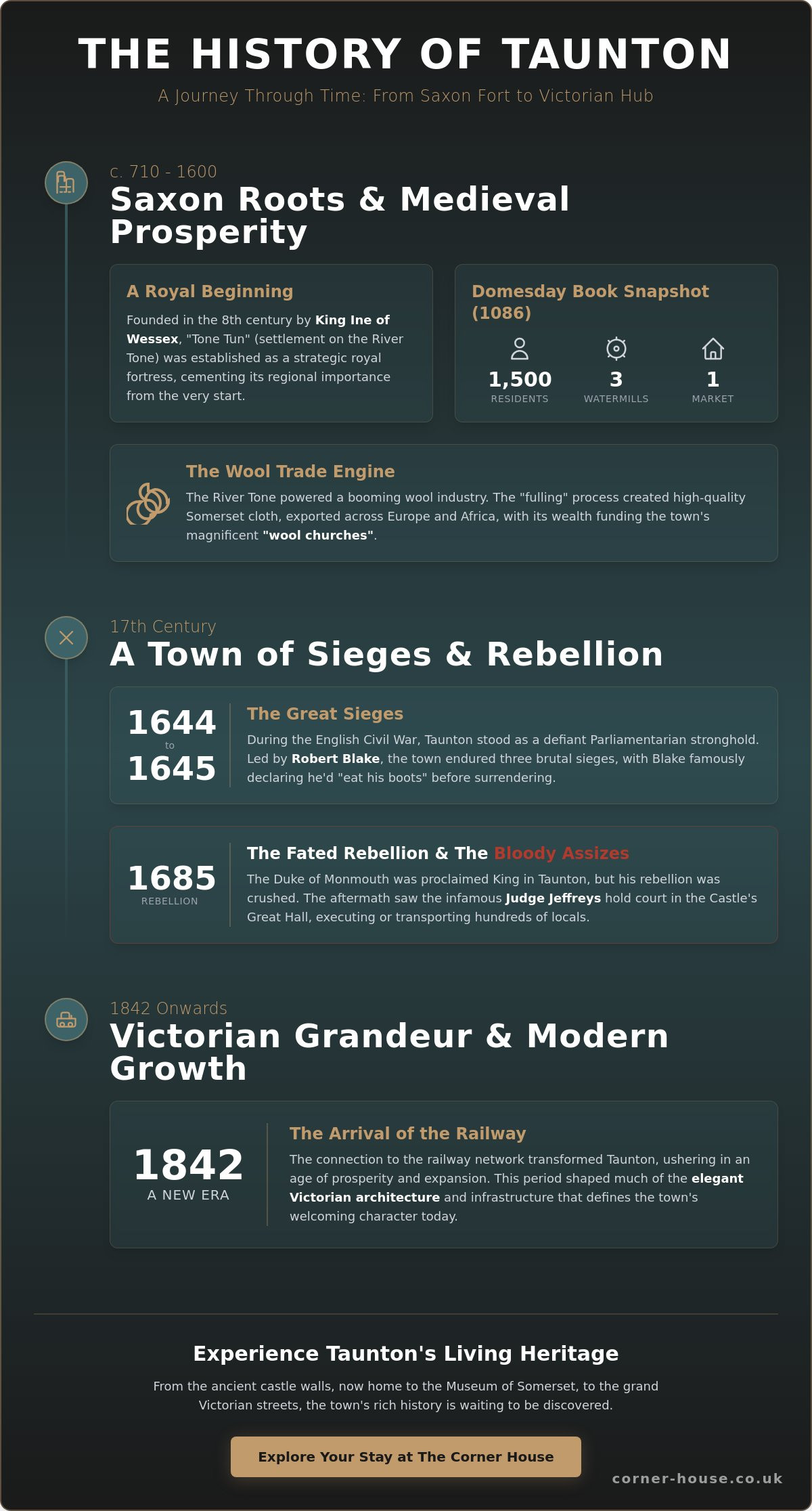
The arrival of the railway in 1842 acted as a catalyst for a new era in the history of taunton. Steam power didn’t just move people; it brought a wave of prosperity that transformed the town into a vital regional transport hub. As the smoke from the engines cleared, a sophisticated skyline began to emerge. The town’s markets, once rowdy affairs with livestock filling the central streets, evolved into the organized and refined shopping districts we recognize today. This transition from a rural market town to a Victorian center of commerce is a defining chapter in the history of taunton, still visible in the sturdy, handsome public buildings that ground the town center; for those who admire this blend of classic structure and modern utility, you can check out Bowkirk Kitchens & Bedrooms to see how bespoke design can modernize heritage-inspired spaces.
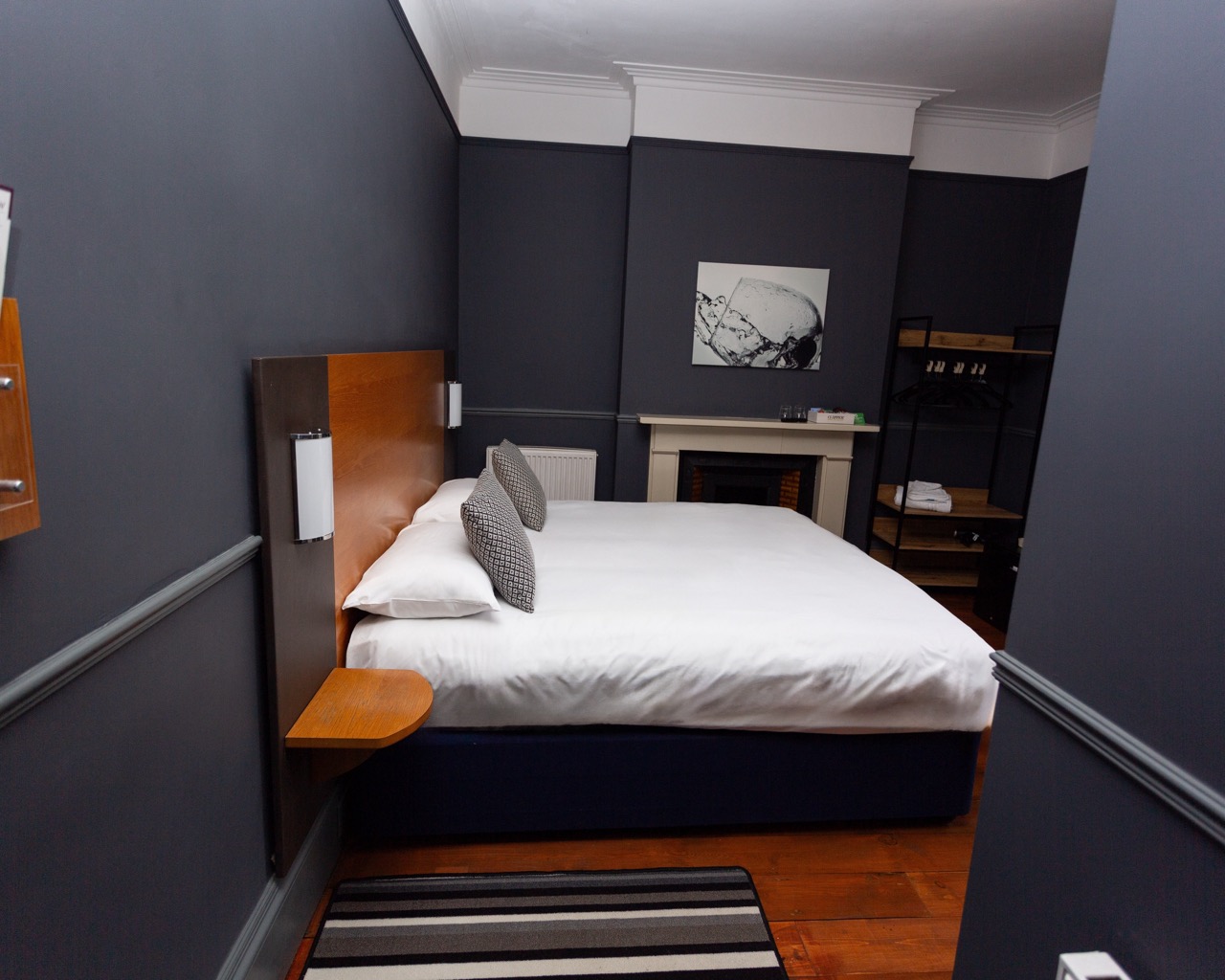
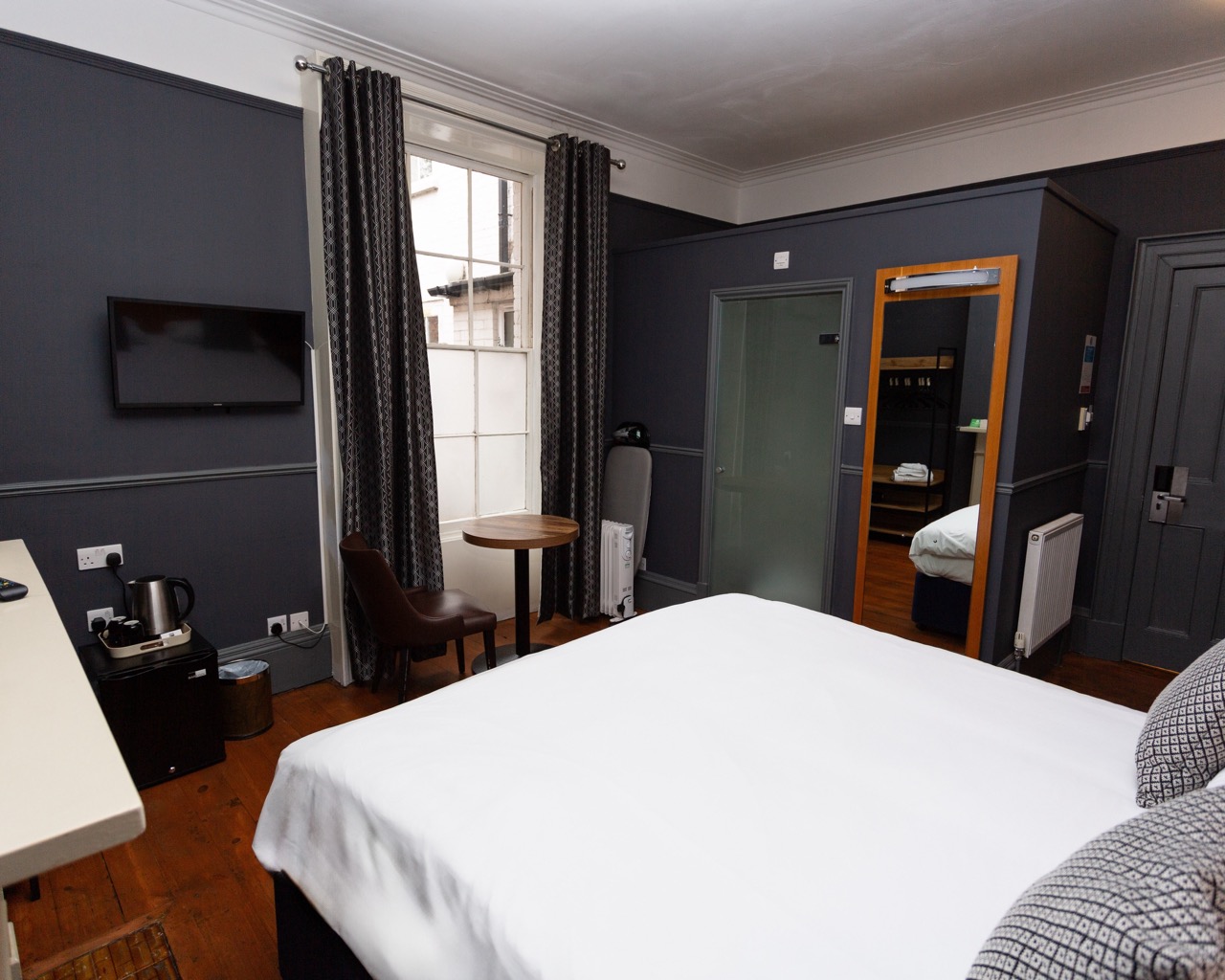
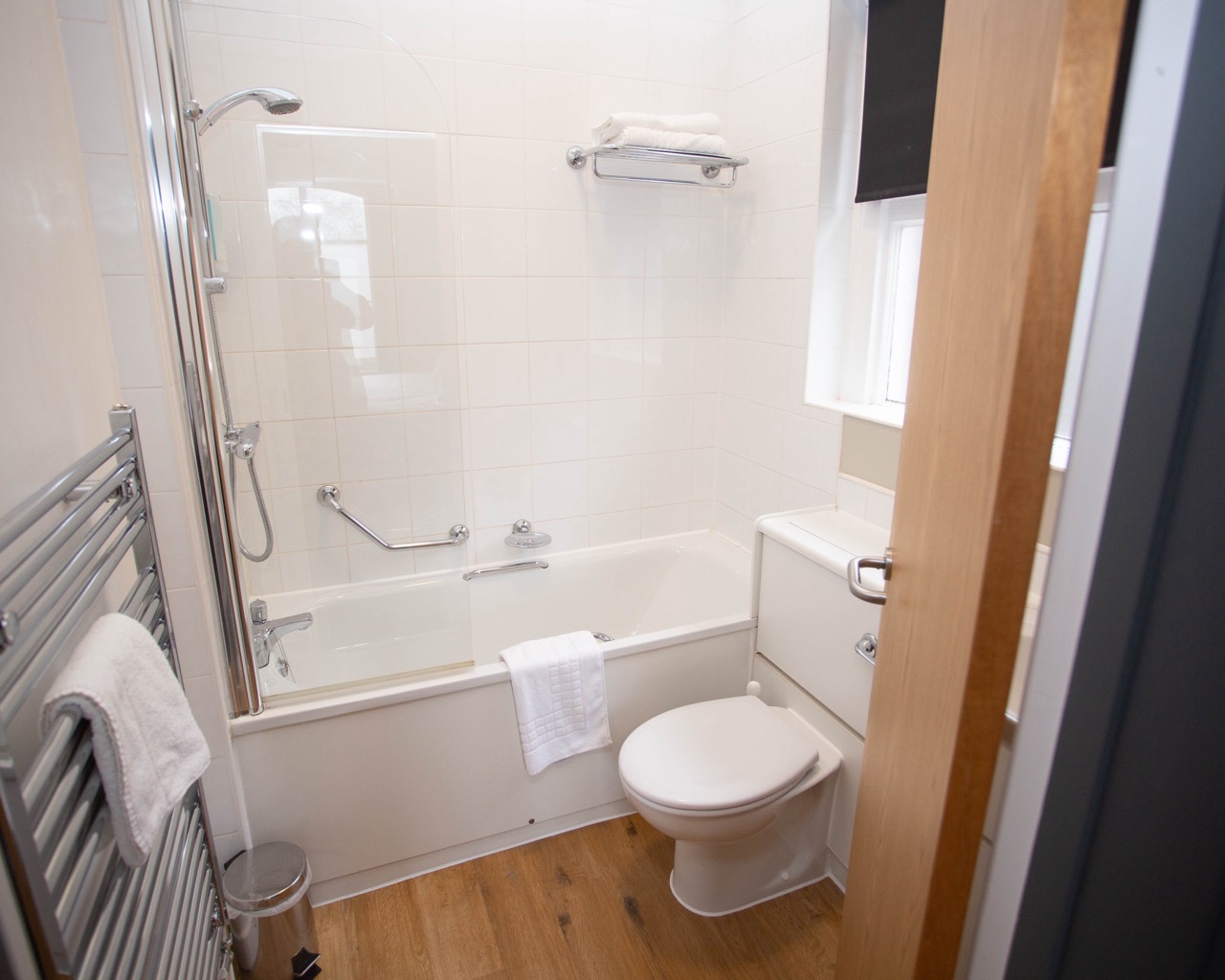
During the 19th century, the area around Park Street blossomed with elegant villas and grand residences. This architectural boom created a lasting sense of neighborhood charm that remains a hallmark of the local experience. The high ceilings and ornate stonework of this era provide a perfect backdrop for modern hospitality. You can still experience this refined atmosphere firsthand by choosing Victorian-style accommodation in Taunton, where the polished details of the past meet the comfort of contemporary service.
While the World Wars brought significant challenges, they also sparked a period of thoughtful regeneration that preserved the town’s character while making room for modern life. Today, Taunton is a vibrant tapestry of historic landmarks and spirited dining experiences. It remains the proud heart of Somerset, offering a seamless blend of heritage and hospitality. Whether you’re visiting for a specific event or a spontaneous weekend escape, the town’s living history ensures you’ll feel like an expected guest in a place that deeply values its roots.
The vibrant streets of modern-day Taunton are more than just a place to shop or dine; they’re a physical archive of resilience and ambition. From the royal Saxon fortress that first guarded the River Tone to the defiant sieges that shaped our local character, every corner tells a story. You’ve seen how the medieval wool trade built our towers and how the Victorian railway era gifted us the elegant architecture that still defines our skyline today. Understanding the history of taunton allows you to see the town through a different lens, where every stone has a voice.
To truly immerse yourself in this narrative, you need a base that reflects the town’s heritage. The Corner House Hotel is a charming Victorian-style hotel located in the heart of Taunton’s historic centre. As part of the prestigious Coaching Inn Group portfolio, we pride ourselves on delivering a stay that feels both professional and deeply personal. If you’re ready to put this history into practice, our curated 48-hour weekend in Taunton itinerary will help you plan every moment around the landmarks and experiences that bring Somerset’s story to life. Book your stay in the heart of historic Taunton at The Corner House Hotel and discover why this corner of Somerset remains such a captivating destination. We look forward to welcoming you soon.
Taunton is renowned for its extraordinary resilience during the English Civil War and its pivotal role in the Monmouth Rebellion of 1685. It gained a reputation for defiance under Robert Blake during the 1640s sieges and later became the somber setting for the “Bloody Assizes” held at the castle. These high-stakes events have made the history of taunton a subject of fascination for those interested in England’s most turbulent political eras.
The name Taunton is derived from “Tone Tun,” which literally means the settlement or town on the River Tone. This name reflects a marriage of Celtic and Saxon linguistic roots, highlighting the waterway’s role as the lifeblood of the community since the 8th century. It’s a title that has remained remarkably consistent for over a millennium, anchoring the town to its geographic origin.
Taunton Castle’s Great Hall became the site of the infamous “Bloody Assizes” following the Duke of Monmouth’s failed attempt to seize the throne. In the autumn of 1685, the ruthless Judge Jeffreys presided over trials that saw hundreds of local men sentenced to execution or transportation to the West Indies. This period transformed the castle from a seat of administrative power into a site of profound local tragedy and historical significance.
You can explore many significant landmarks today, including the Museum of Somerset which is housed within the historic castle walls. The museum is free to enter and welcomes guests Tuesday to Saturday from 10:00 am to 5:00 pm. Standing in the Great Hall or walking past the intricate towers of the town’s medieval “wool churches” offers a tangible connection to the history of taunton that remains visible in its modern layout. For a structured way to experience these sites in person, consider following a planned weekend in Taunton that takes you through the town’s most significant historic landmarks at a comfortable pace.