11 August 2026

What if the very streets you stroll today were once the stage for a rebellion that changed the course of English history? It’s often difficult to connect the bustling energy of a modern market town with the dramatic sieges and royal decrees of the past. You might feel that the history of taunton is tucked away in dense academic volumes, far removed from the charming Victorian architecture you admire over a morning coffee.
We’re here to bridge that gap, promising a journey through the town’s evolution that’s as engaging as it is informative. You’ll discover how Saxon foundations and Norman fortifications paved the way for the sophisticated elegance that defines our town centre today. This guide reveals the stories behind the stones, from the formidable Taunton Castle to the refined 19th-century landmarks, ensuring you know exactly which historic sites to visit on your next local adventure.
Long before the Victorian facades we cherish today, the story began with King Ine of Wessex. Around 710 AD, he established a settlement on the banks of the River Tone. This fertile cradle, known as the Vale of Taunton Deane, offered early Saxon settlers a sanctuary of rich soil and natural protection. It wasn’t just a place to live; it was a strategic stronghold that balanced agricultural abundance with defensive necessity.
By the time the Normans arrived, the town’s importance had grown significantly. The History of Taunton took a sophisticated turn when it became a prized administrative centre for the powerful Bishops of Winchester. These influential figures transformed the rugged Saxon fortification into a site of ecclesiastical and political influence, cementing the town’s status as a regional leader.
The Norman bishops replaced original Saxon earthworks with the formidable stone walls of Taunton Castle. This fortress didn’t just provide security; it anchored a bustling medieval economy. Taunton flourished as a market hub, gaining international fame for its high-quality wool and durable ‘Taunton Serge’.
Deriving from ‘Tone-tun,’ or the settlement on the River Tone, this ancient name remains the heartbeat of our identity, forever linking the town’s modern character to its foundational riverside roots.
The 17th century saw the history of taunton defined by fierce defiance and tragic consequences. During the English Civil War, the town became a legendary Parliamentarian stronghold, enduring three brutal sieges. Despite being surrounded by Royalist forces, the townspeople’s resolve never wavered. This spirit of rebellion resurfaced in 1685 during the Monmouth Rebellion. Taunton was famously the first town to proclaim the Duke of Monmouth as King, a bold move celebrated by the ‘Maids of Taunton’ who presented him with a hand-stitched banner near the market cross. This era remains a pivotal chapter in the wider history of taunton, reminding us of the town’s historical bravery.
The celebration was short-lived. Following Monmouth’s defeat at Sedgemoor, the town faced the terrifying ‘Bloody Assizes’. The Great Hall at the History of Taunton Castle became the stage for one of the most brutal chapters in English judicial history. Here, the infamous Judge Jeffreys presided over trials that resulted in hundreds of executions and transportations to the West Indies. This period left a deep, somber mark on the Somerset community that still echoes in local folklore.
If you’re visiting to explore these stories, you can still feel the weight of this era at several key locations:
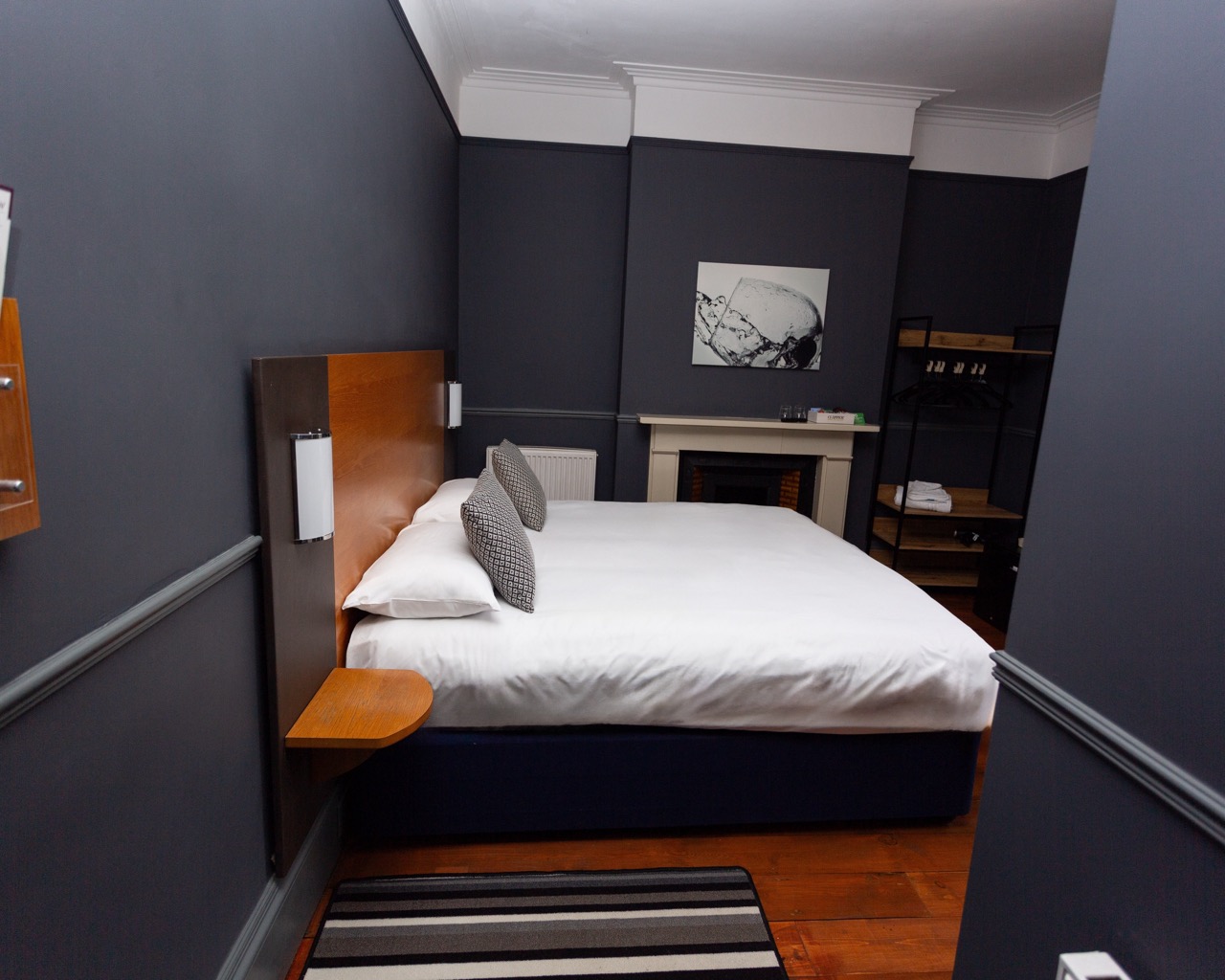
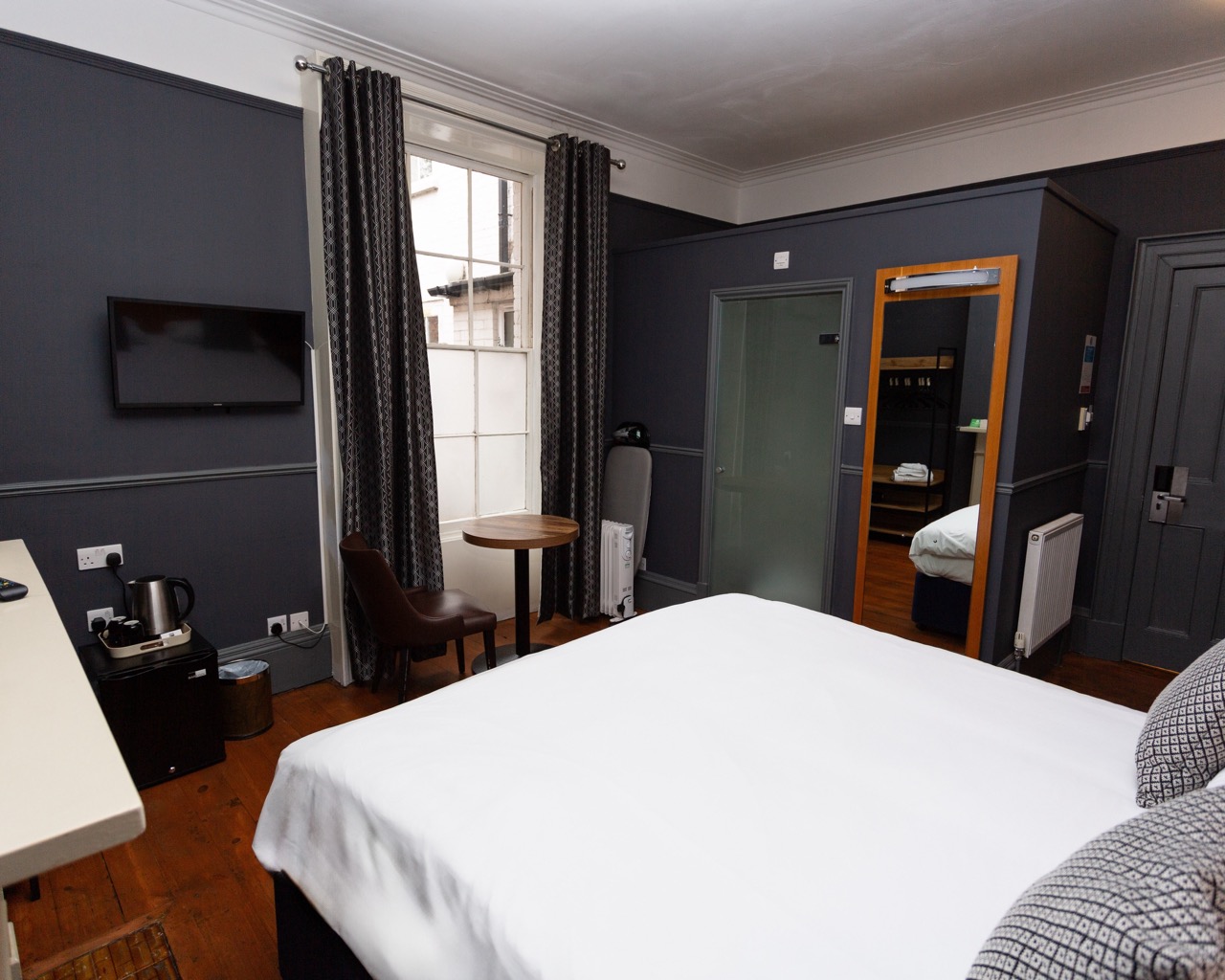
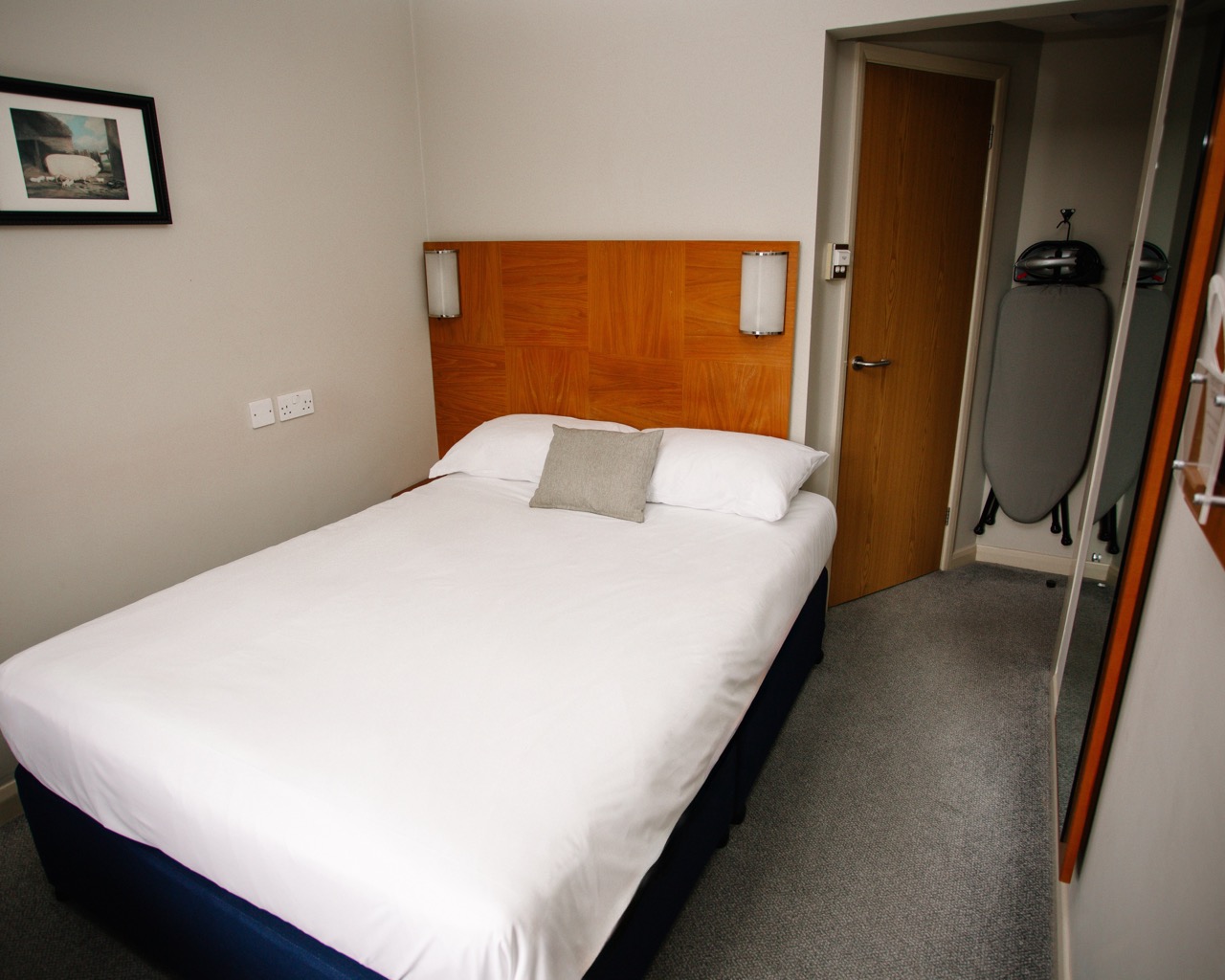
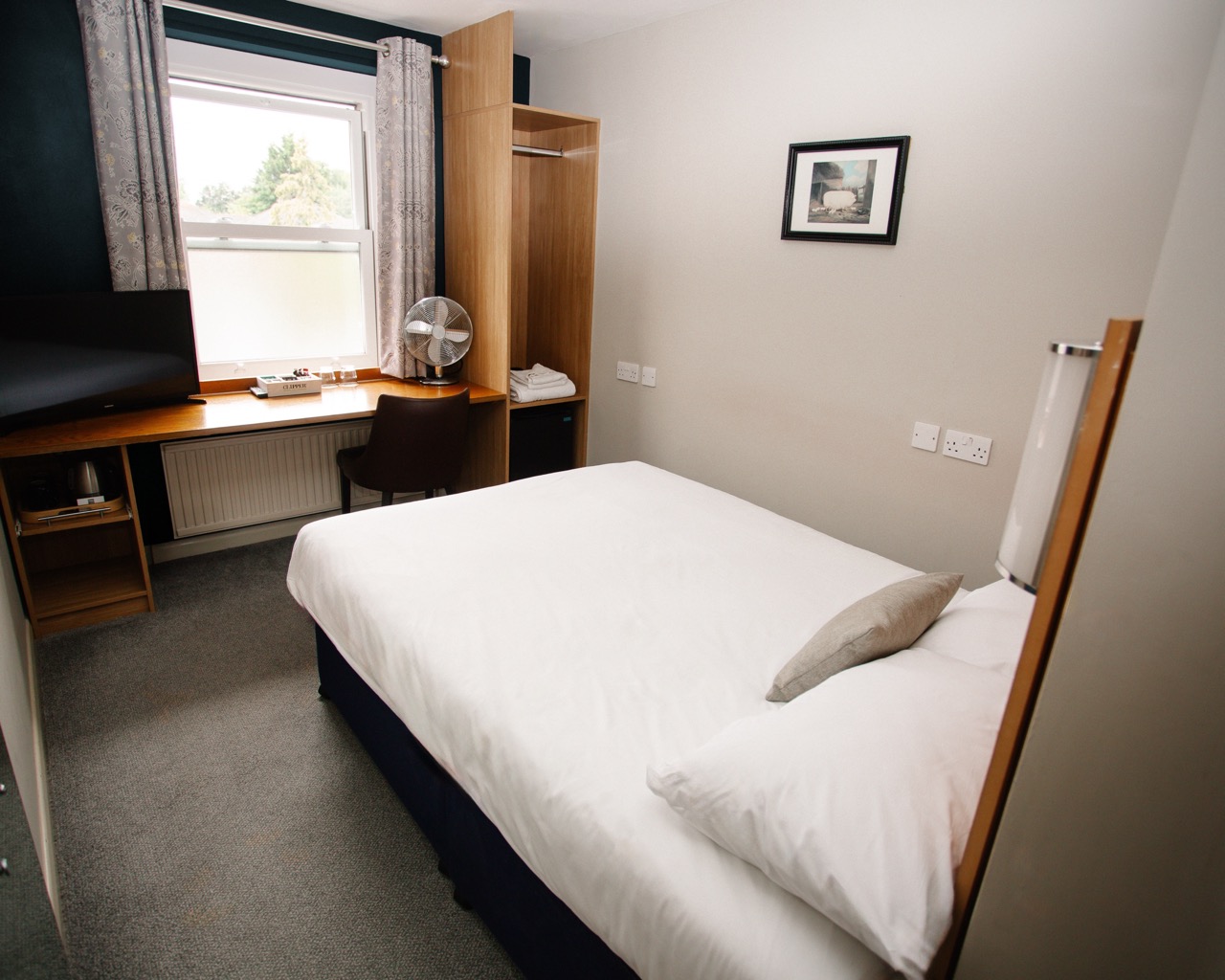
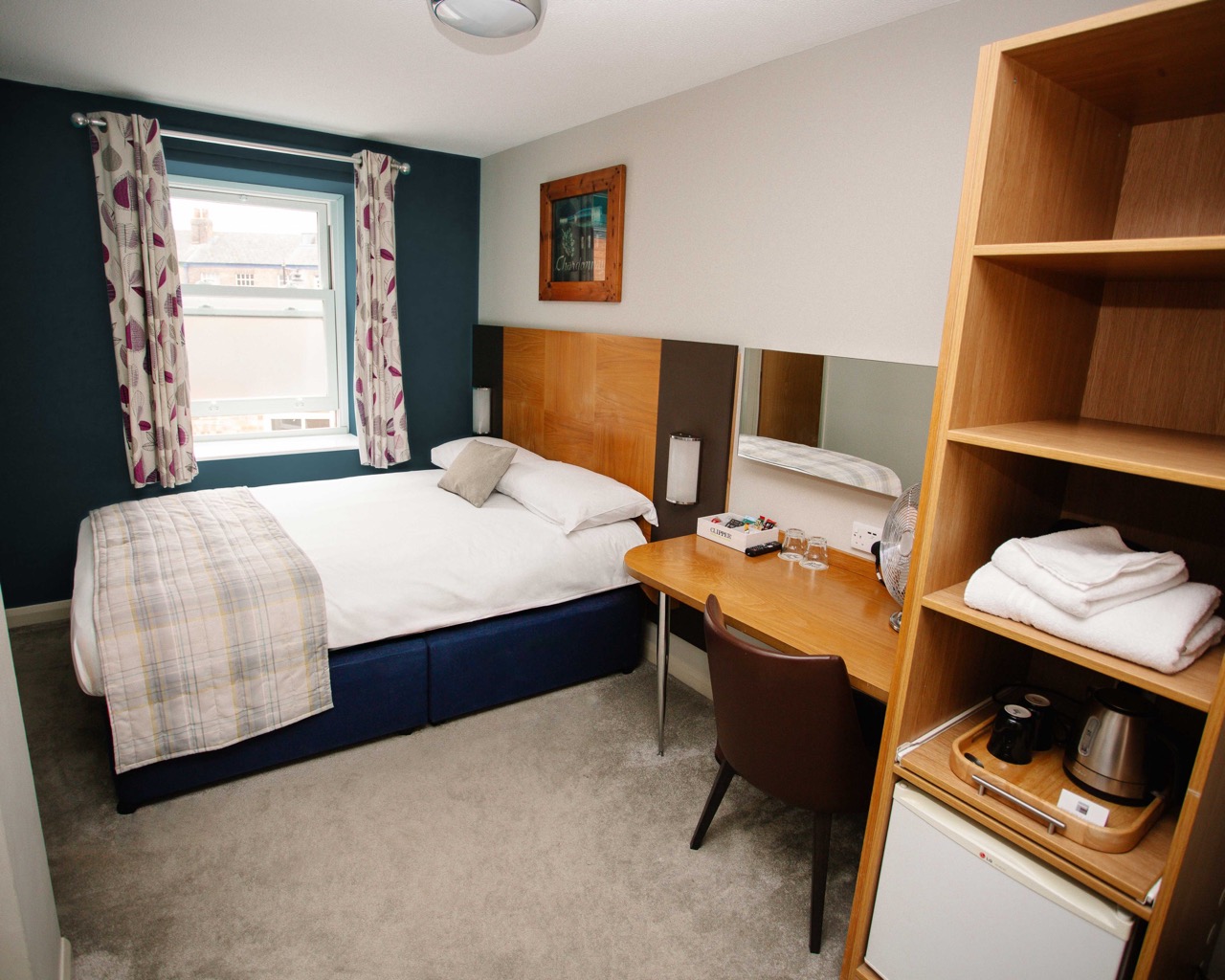
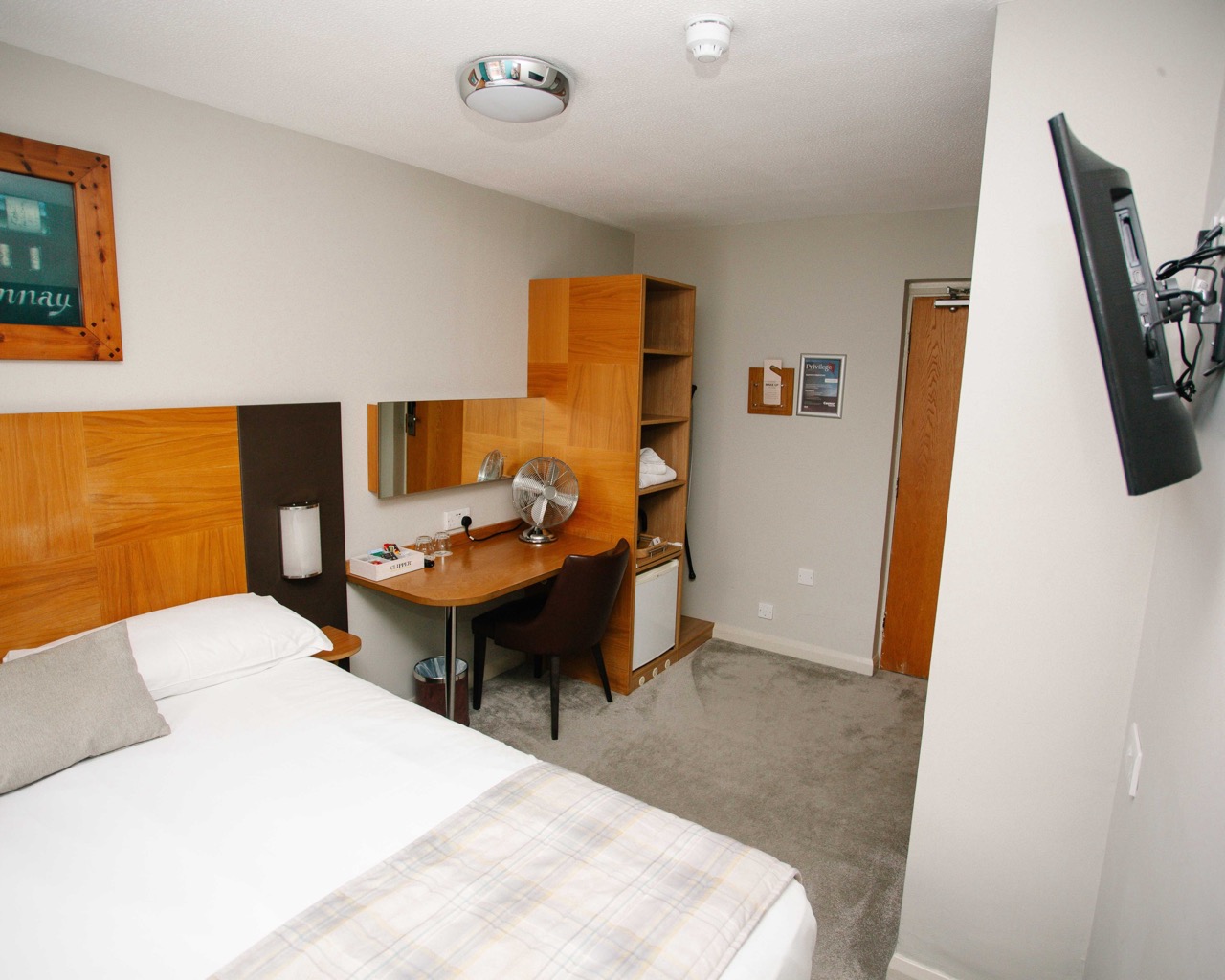
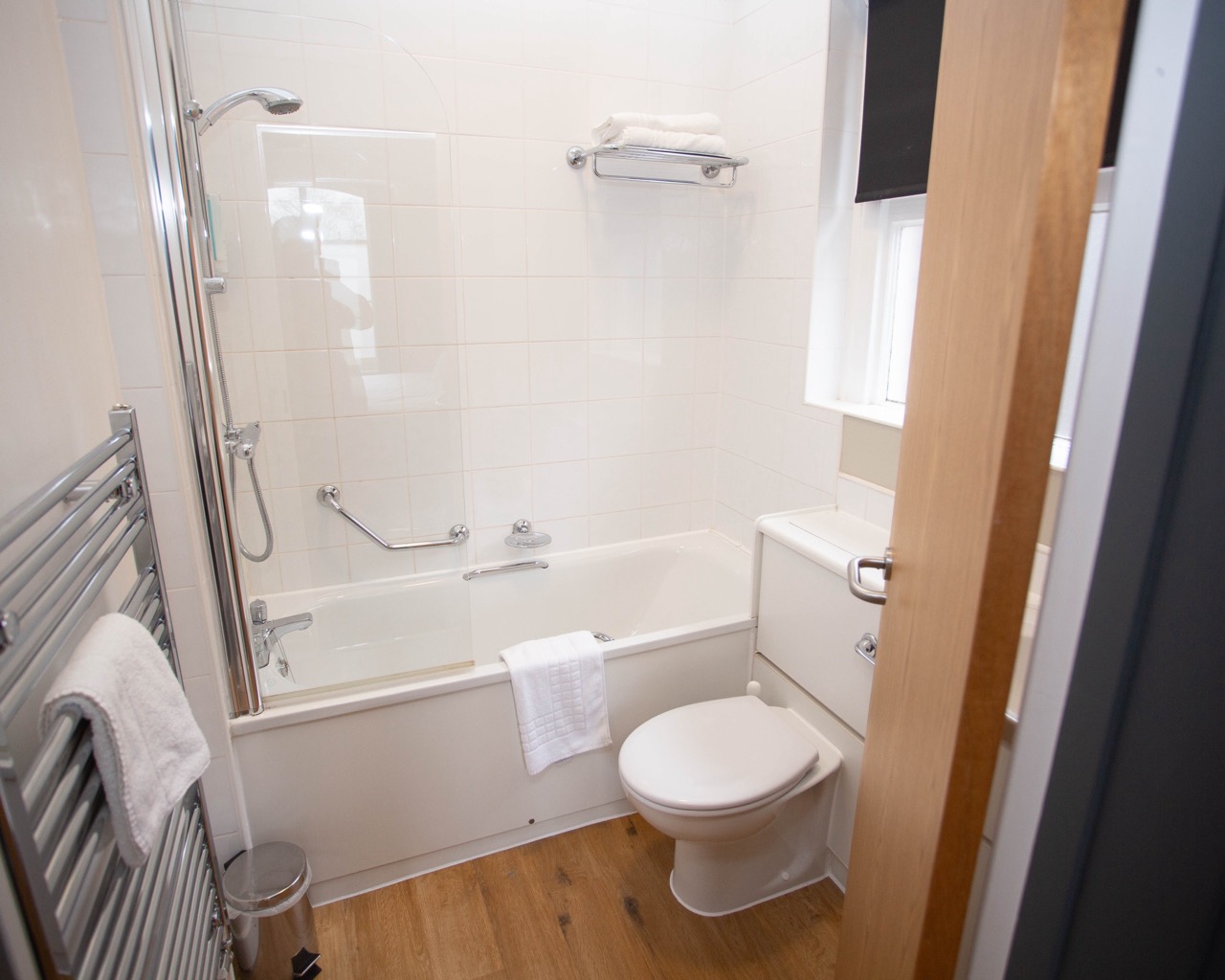
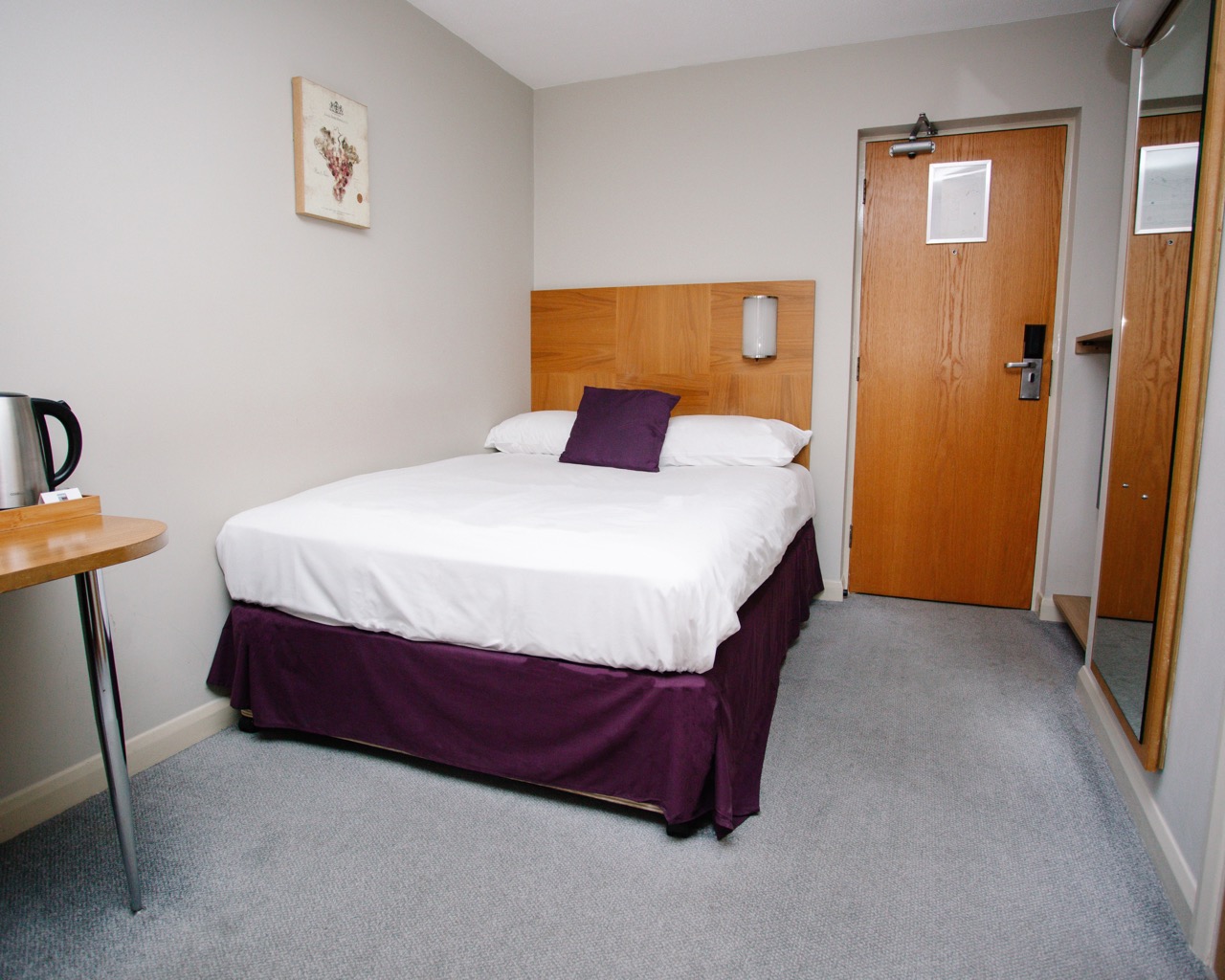
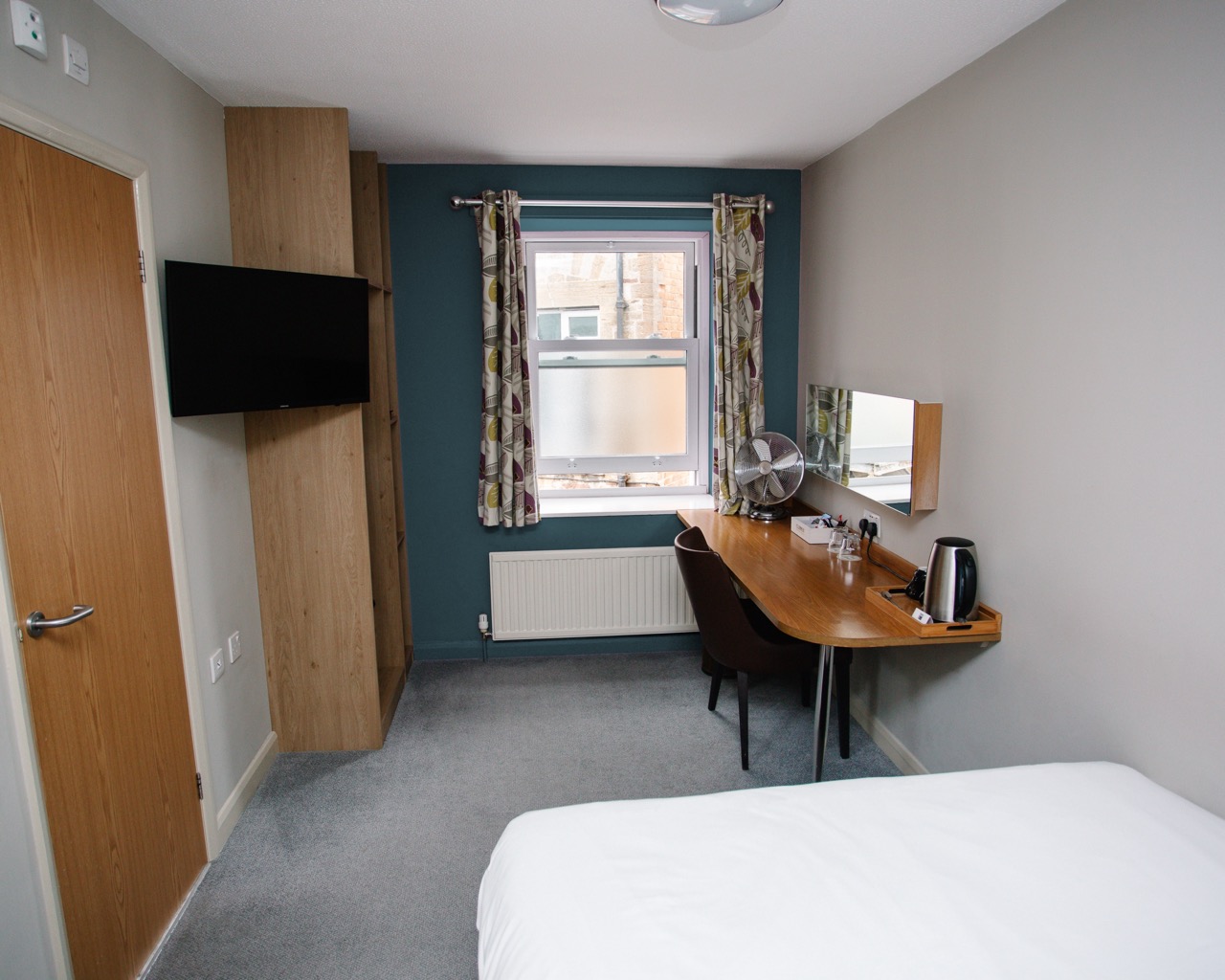
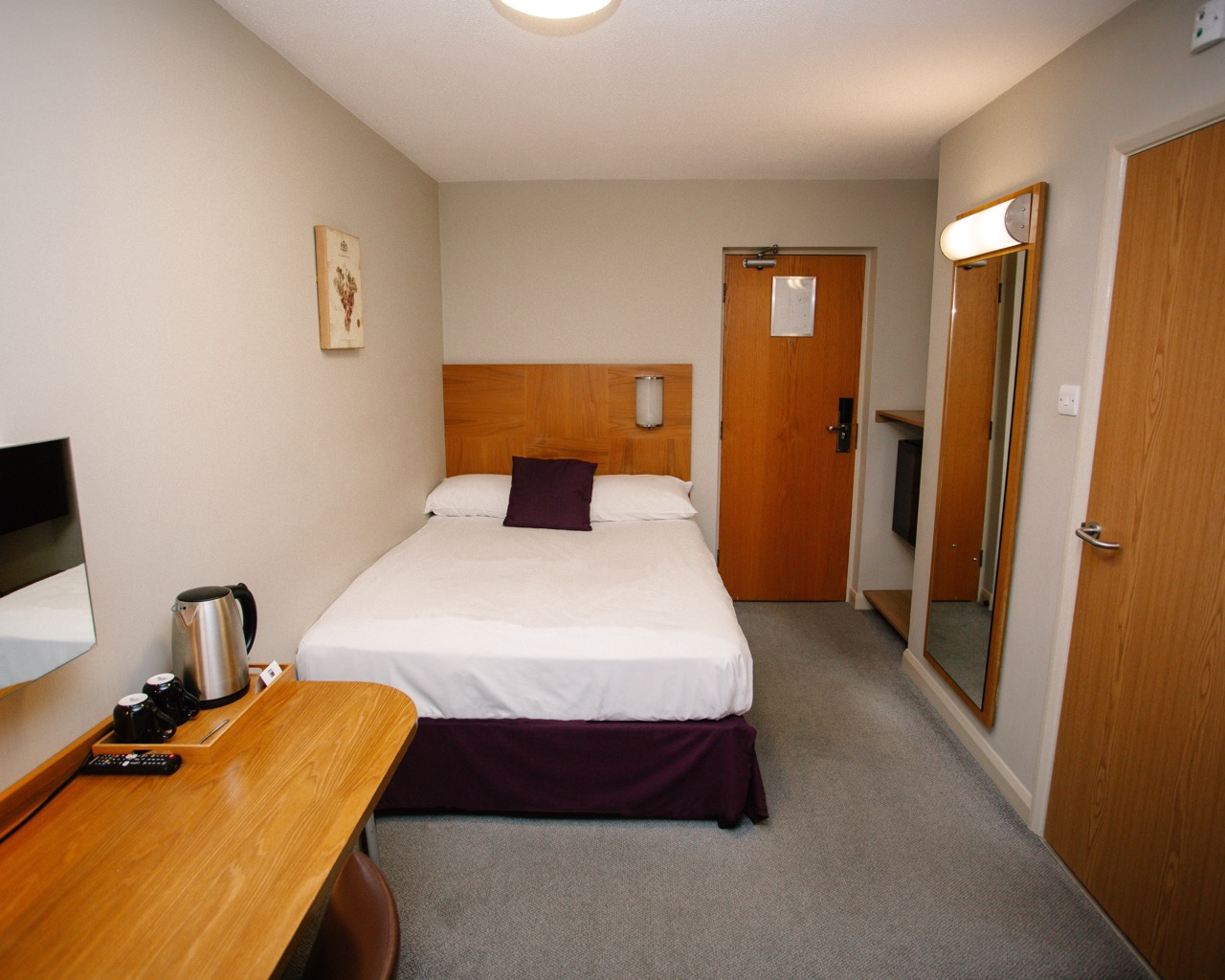
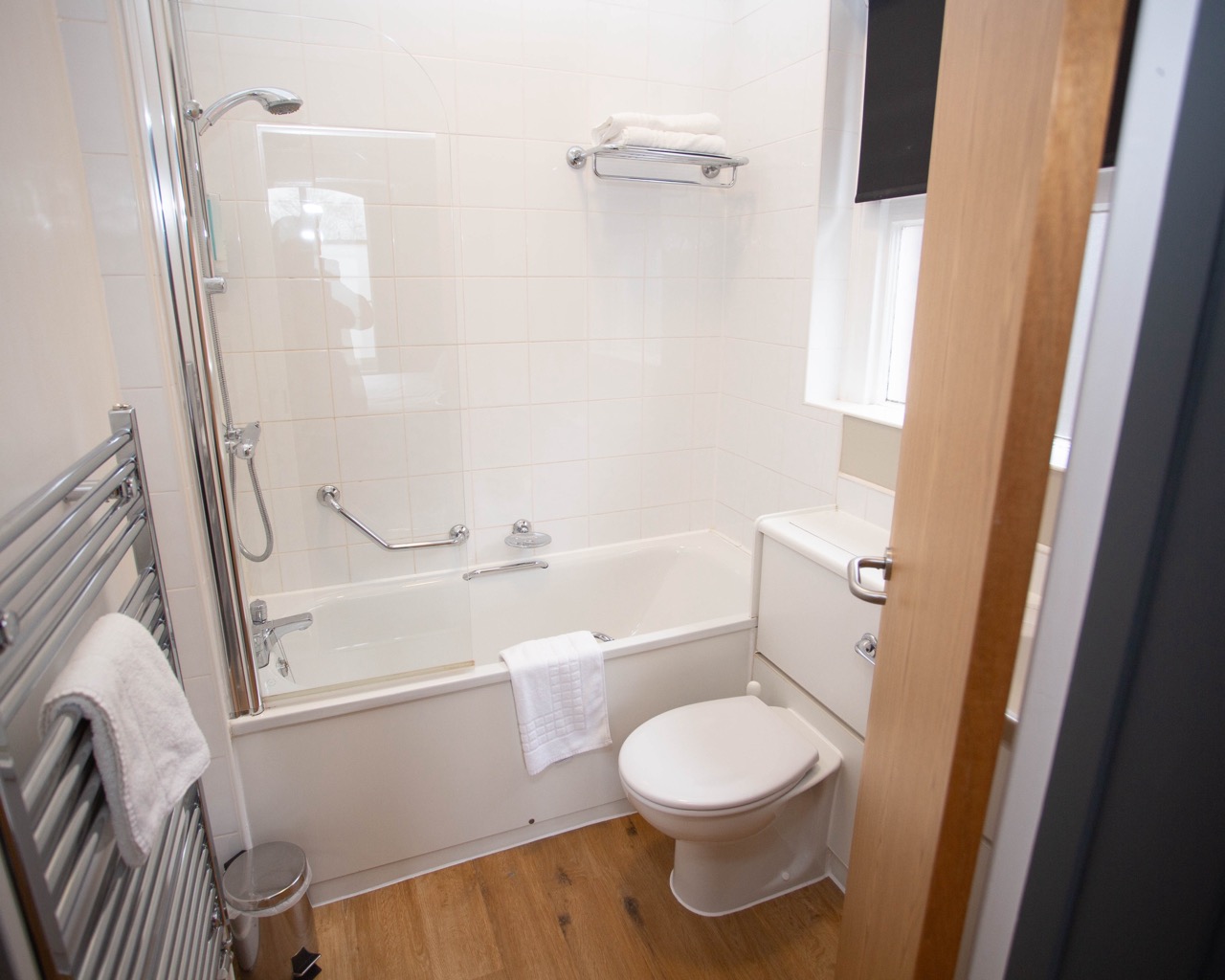
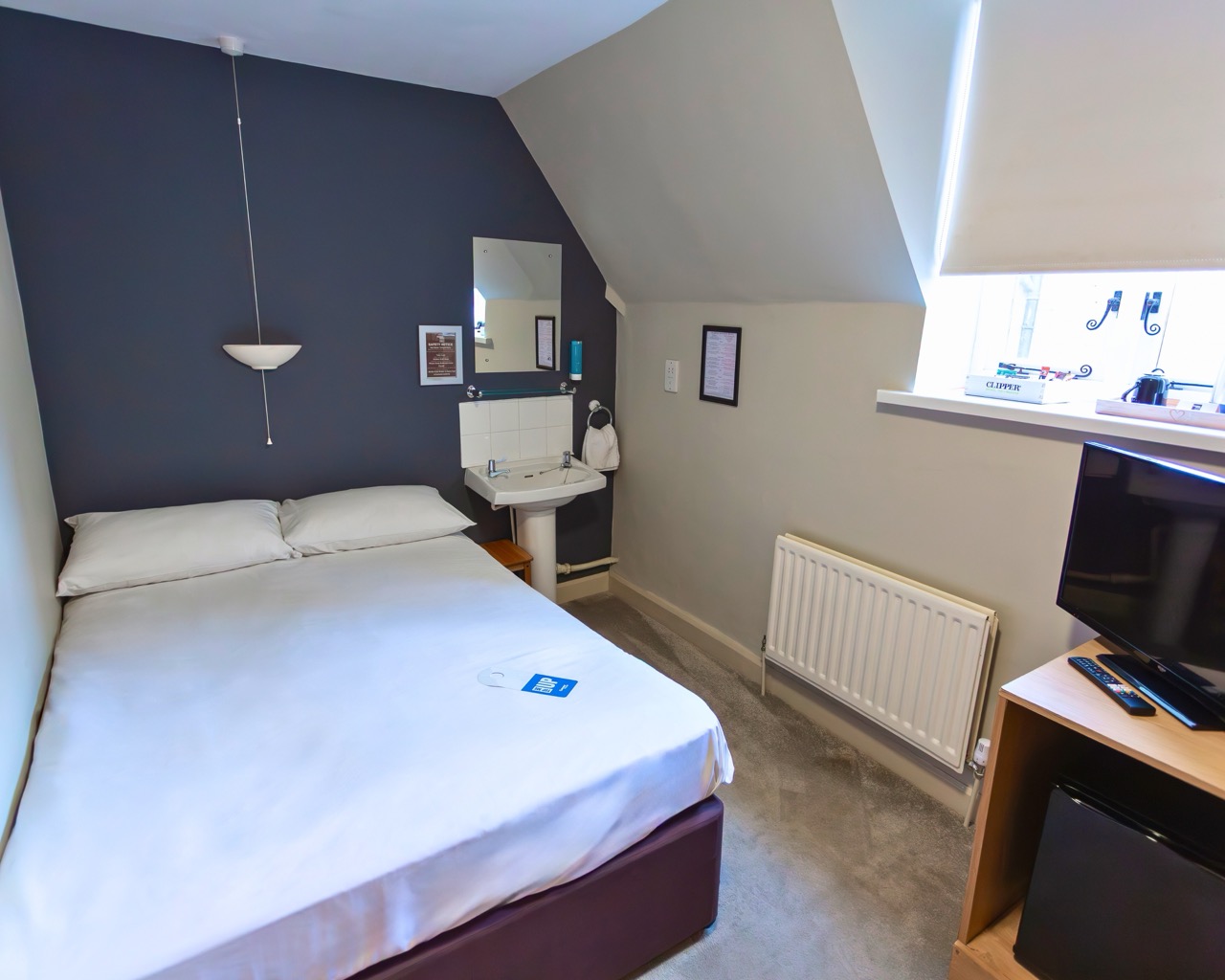
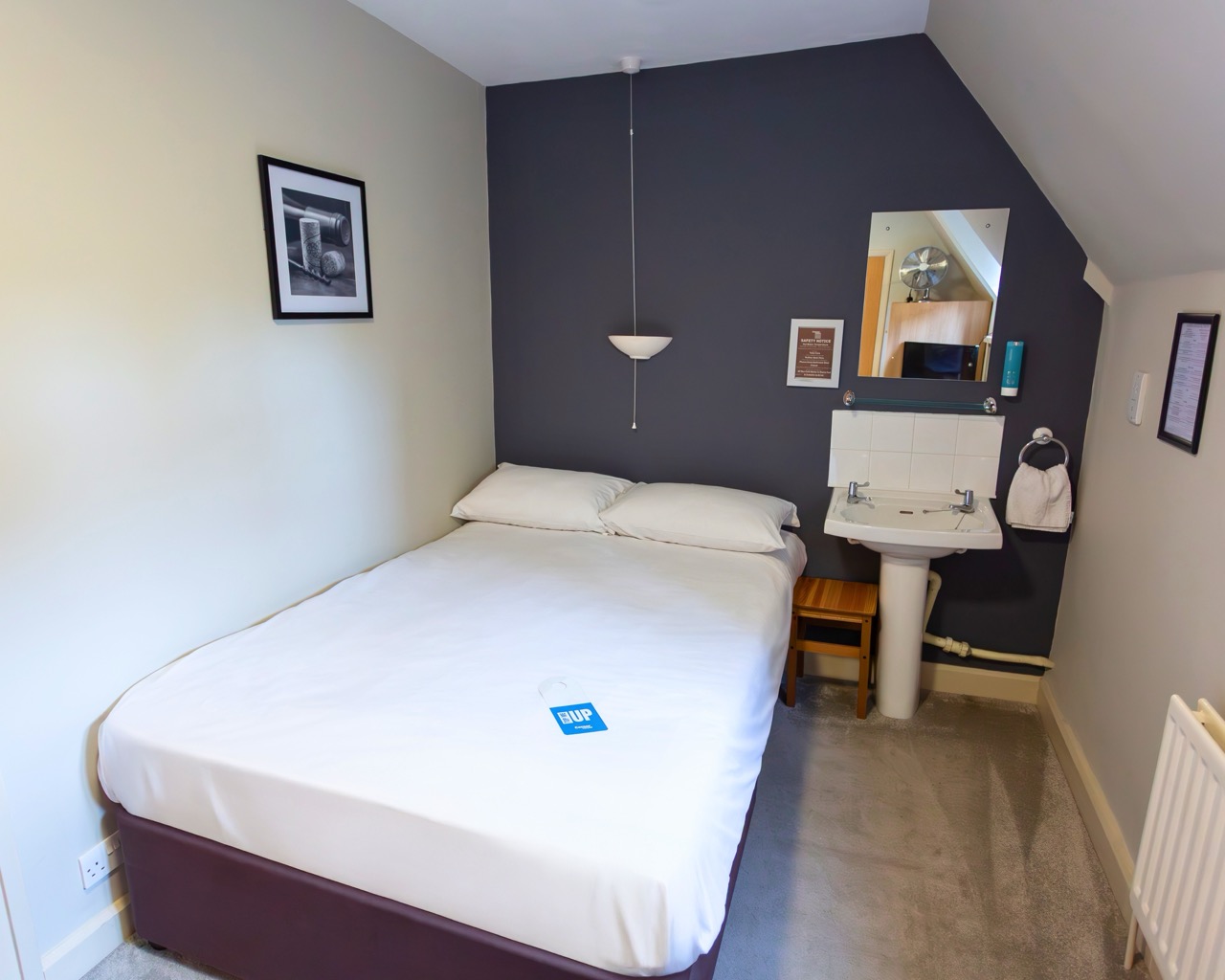
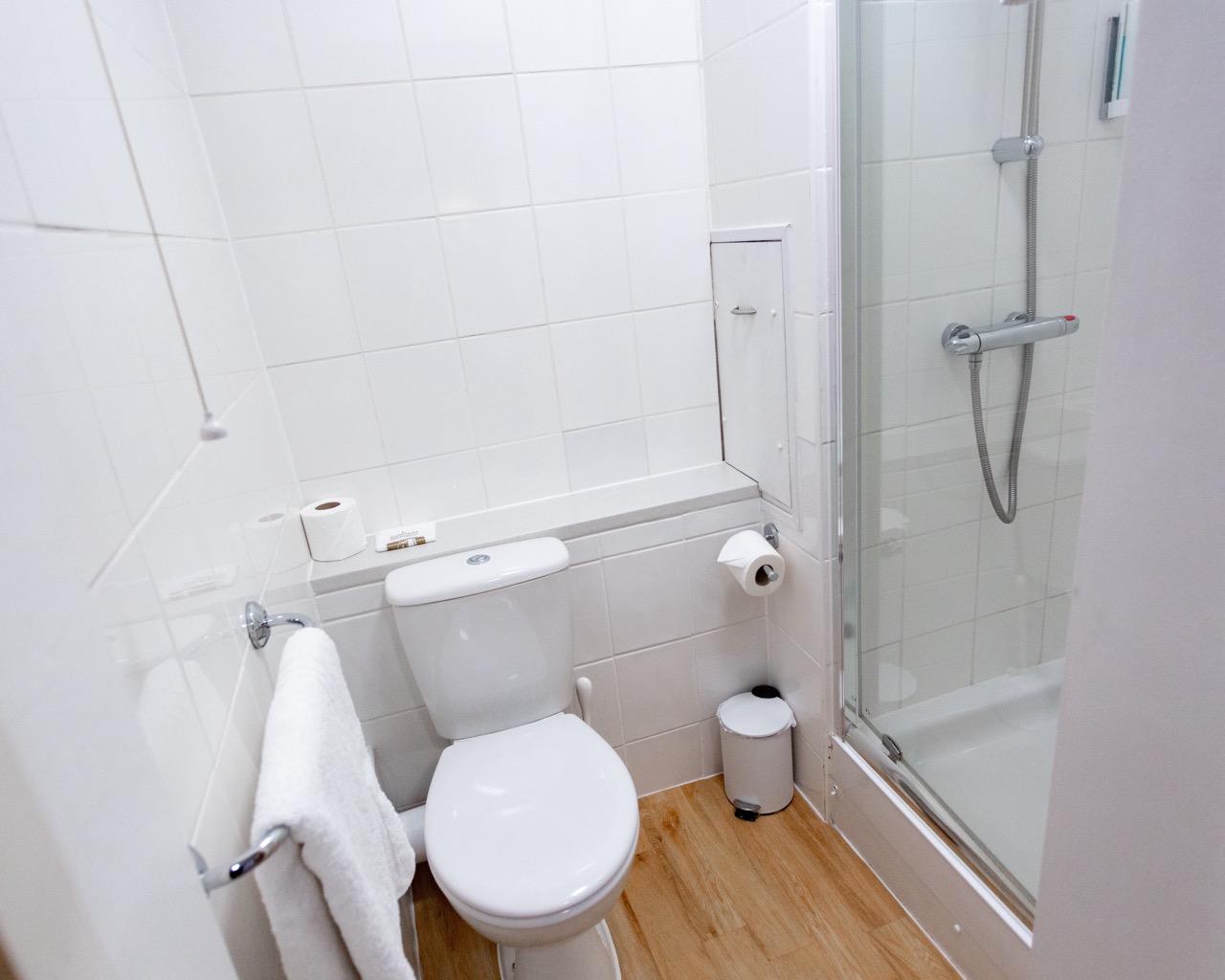
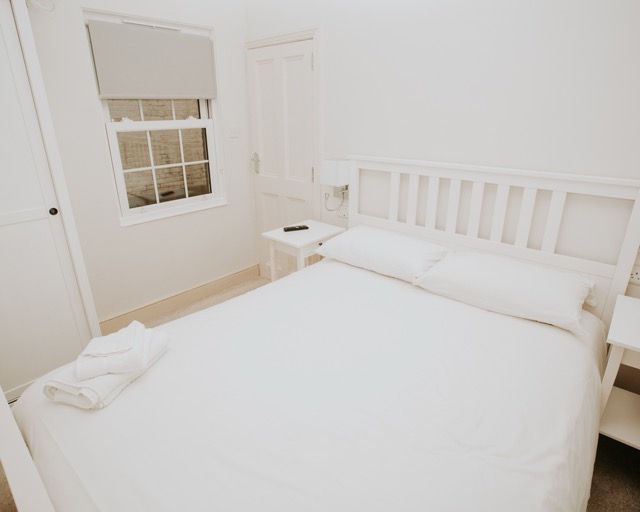
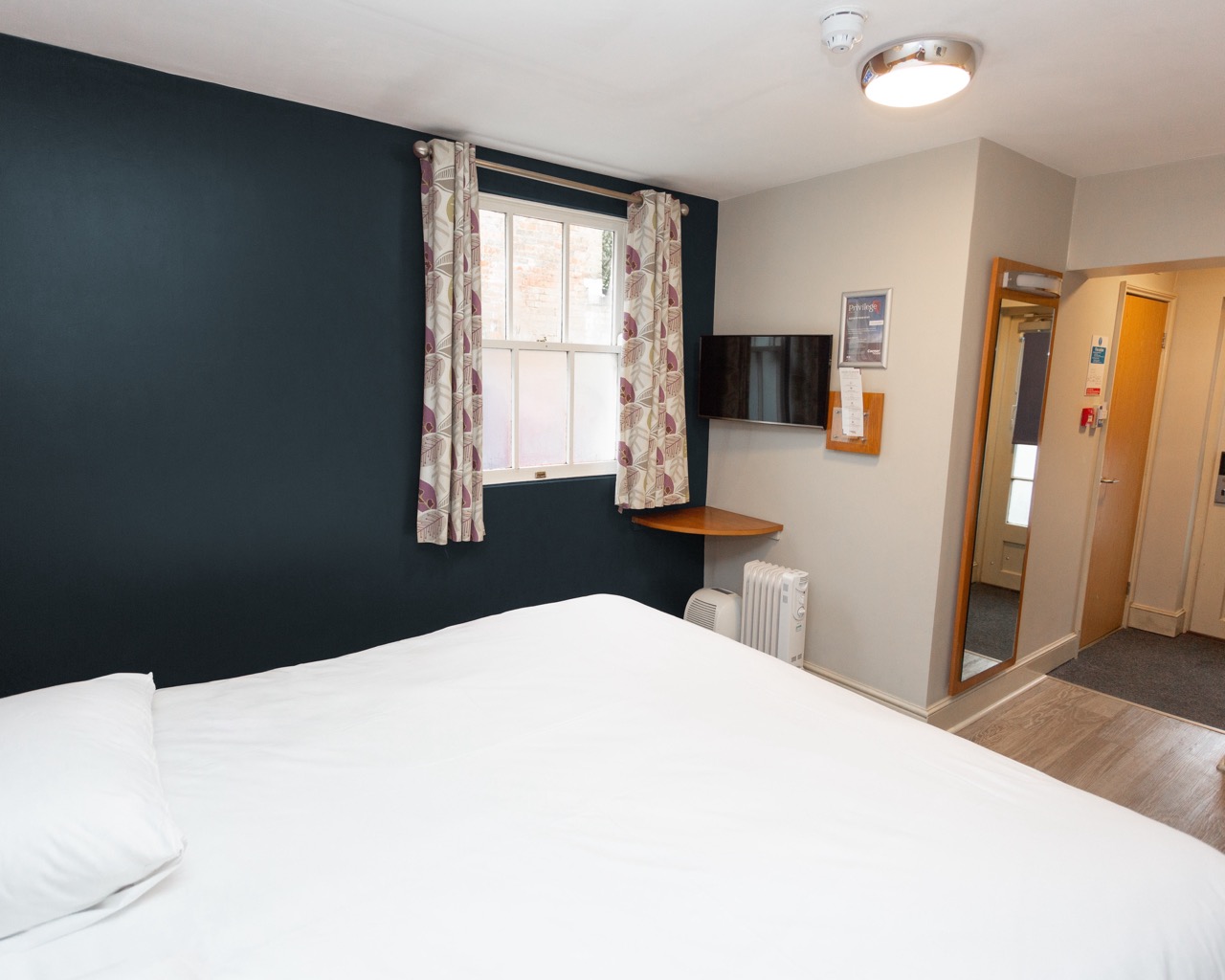
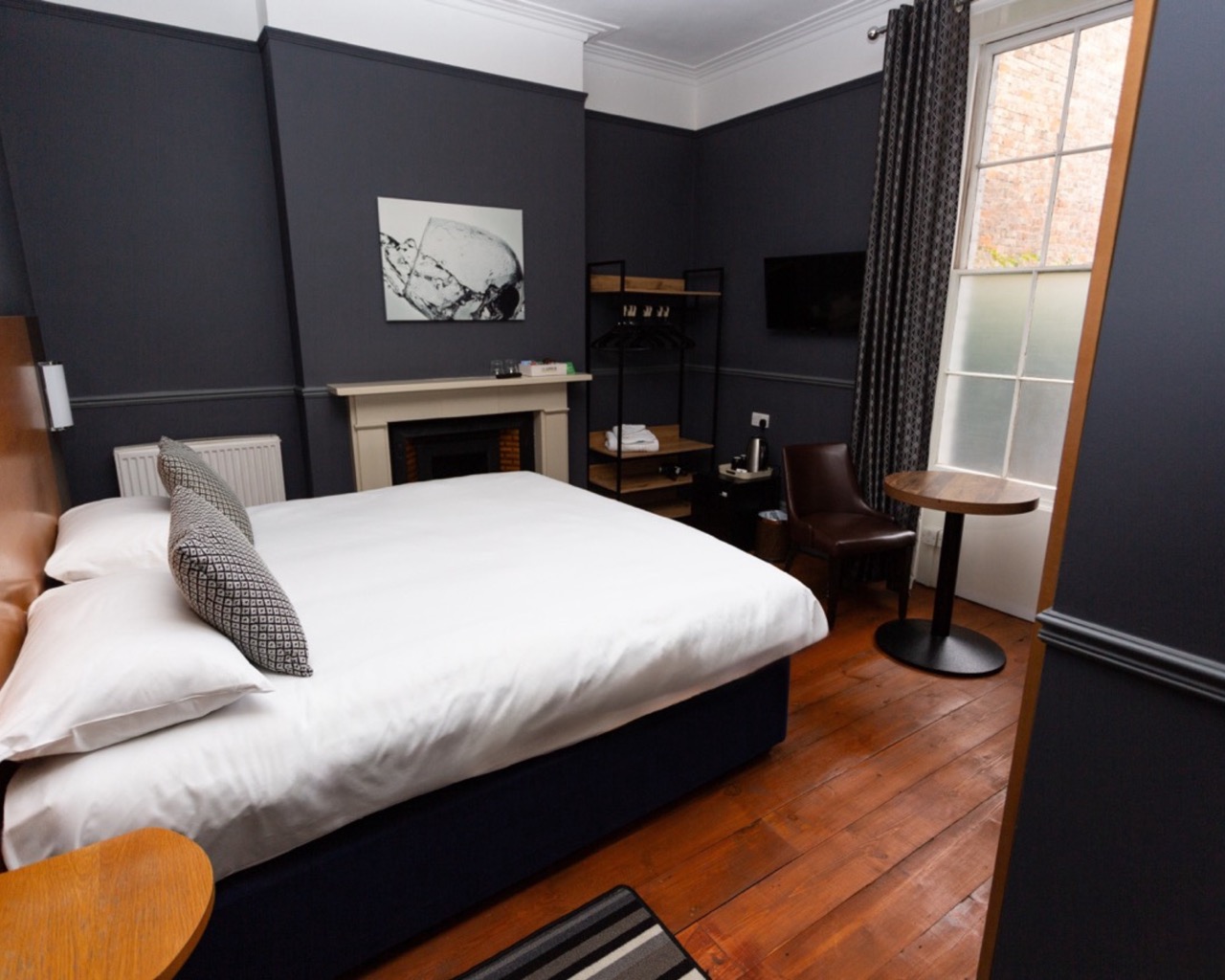
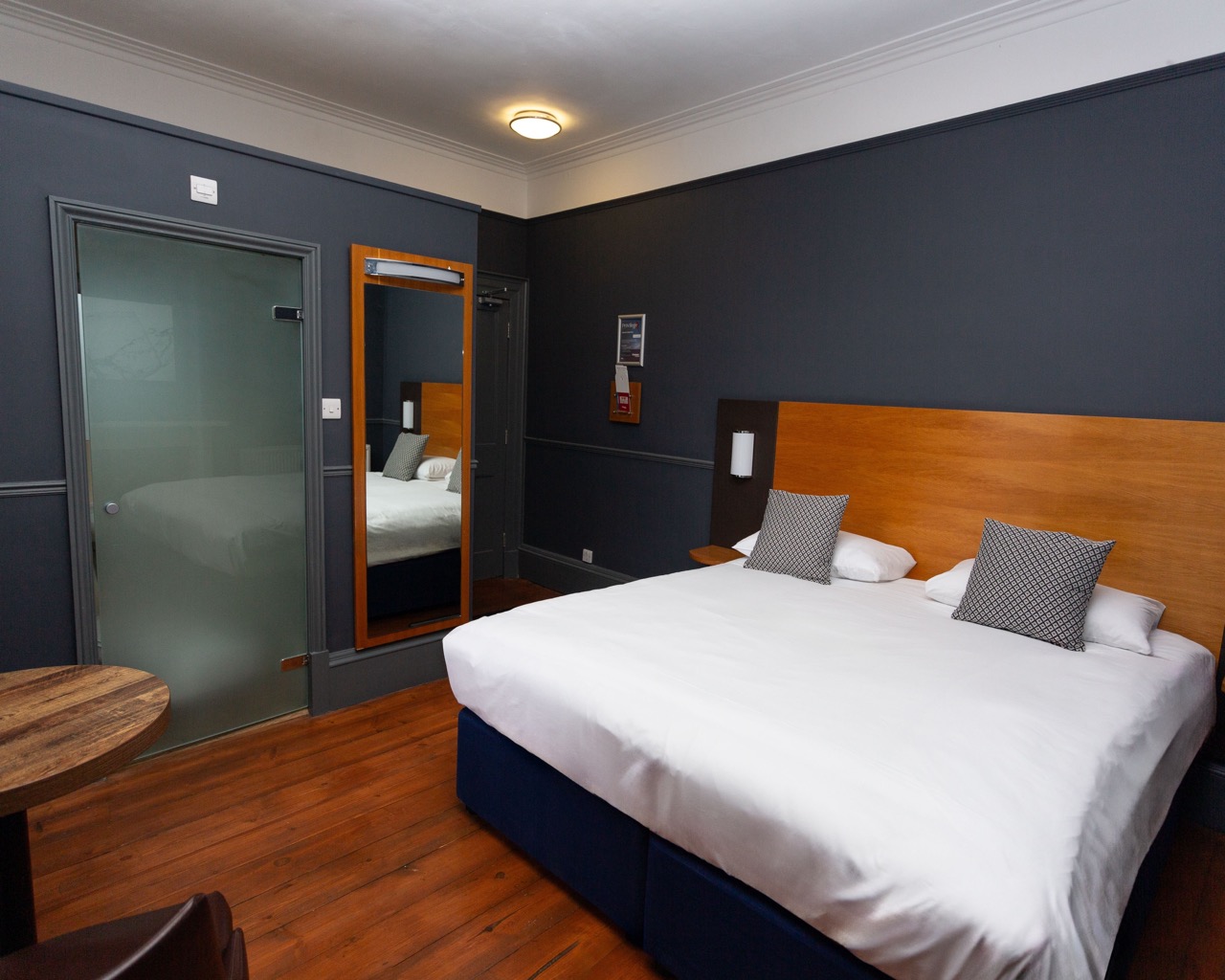
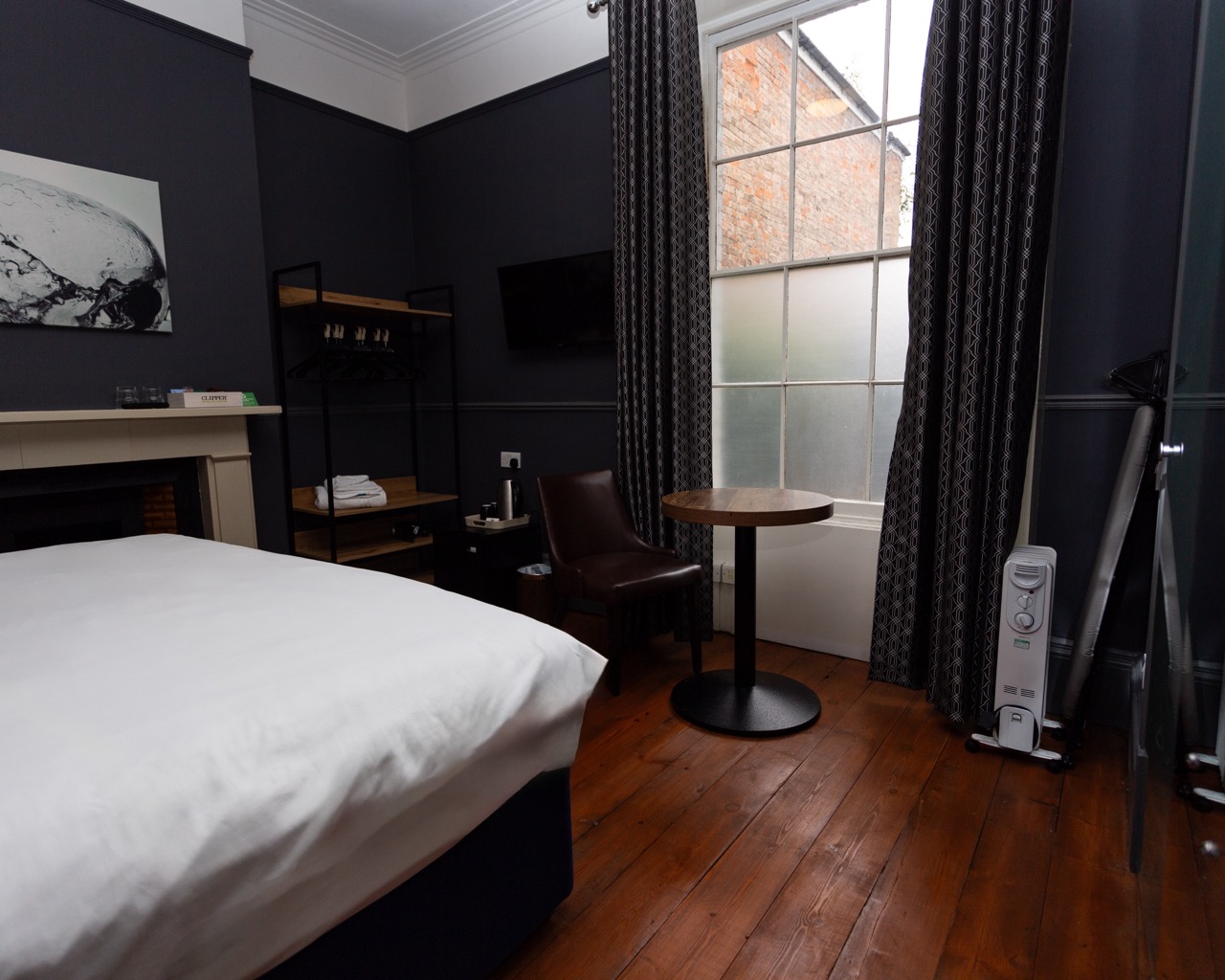
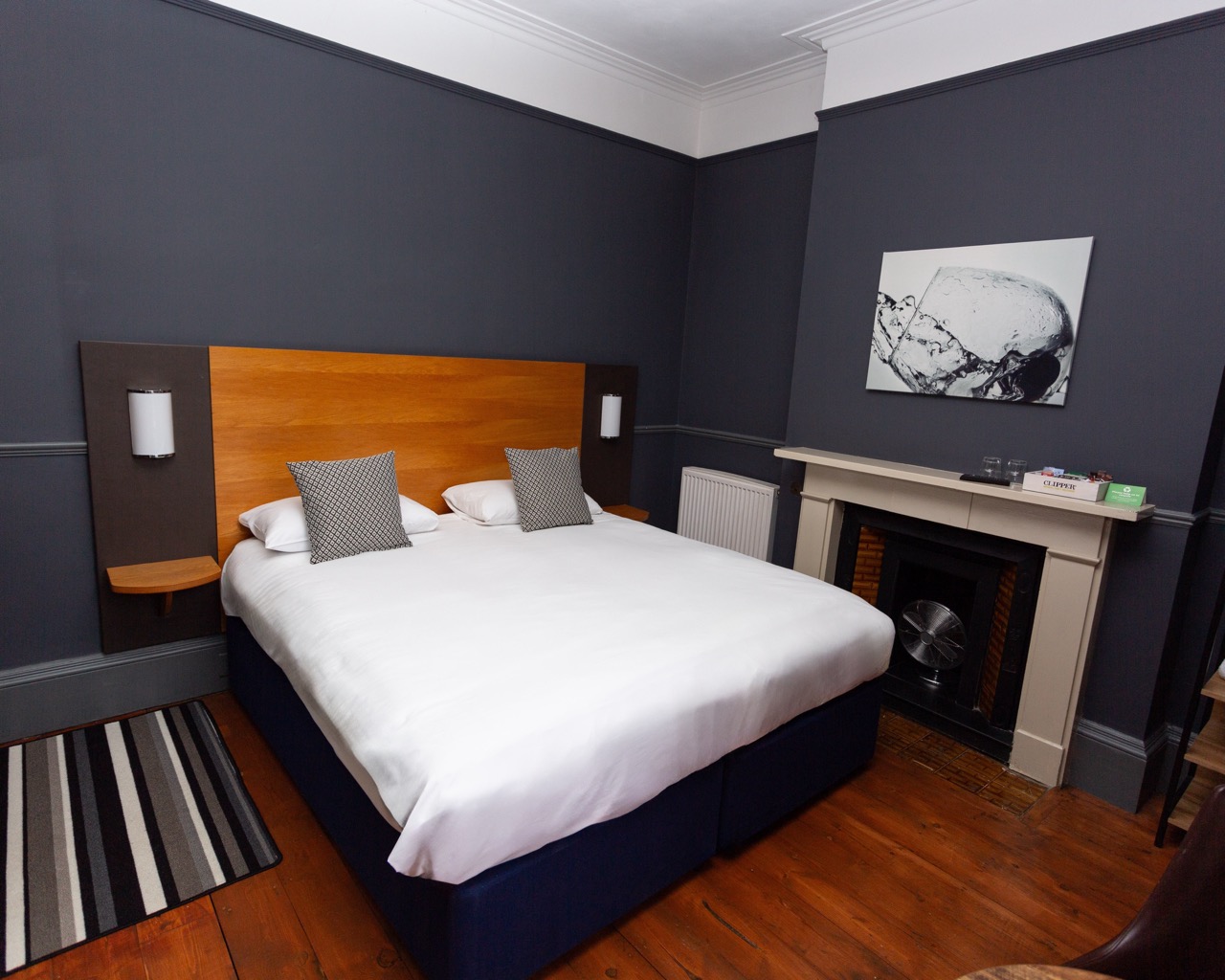
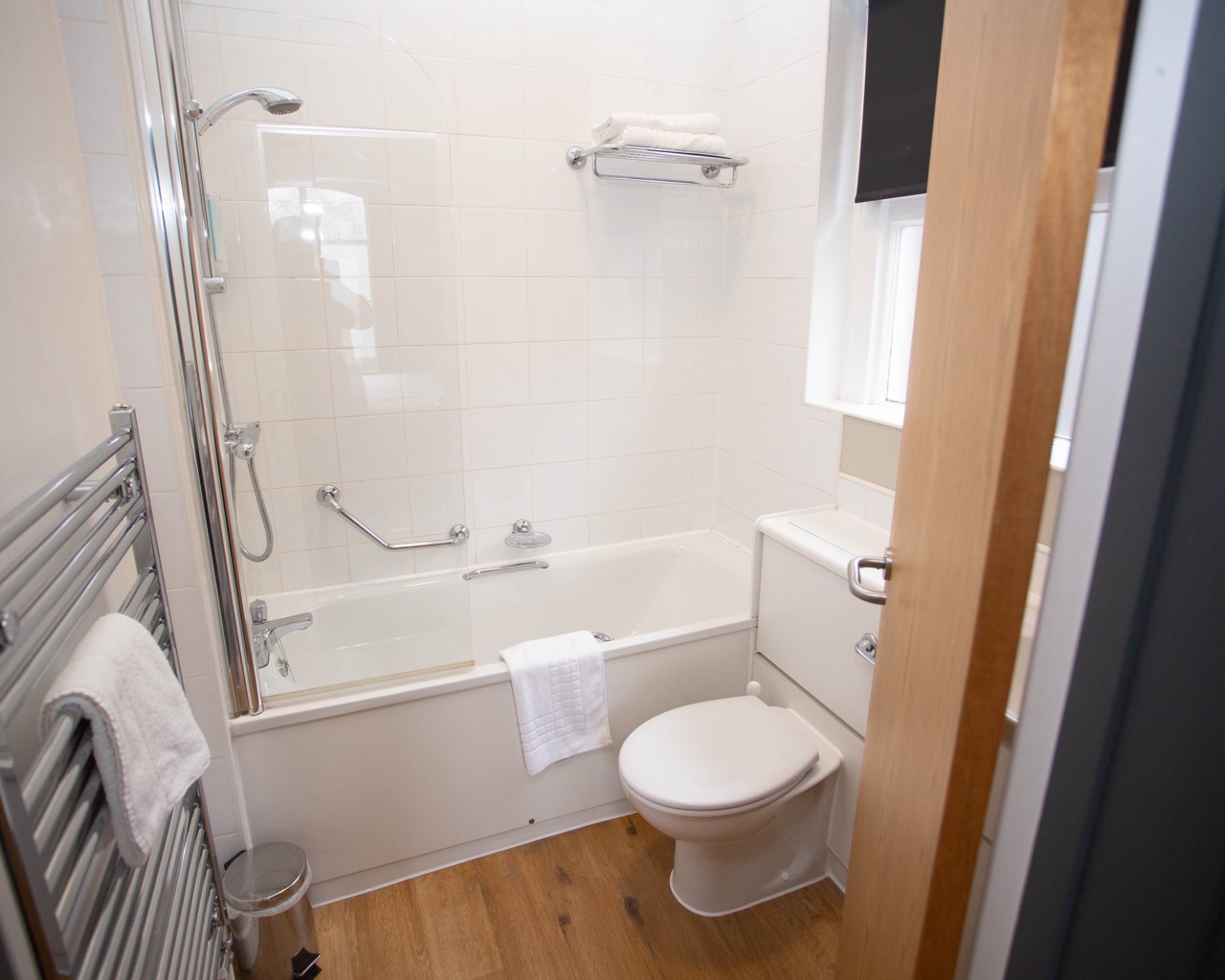
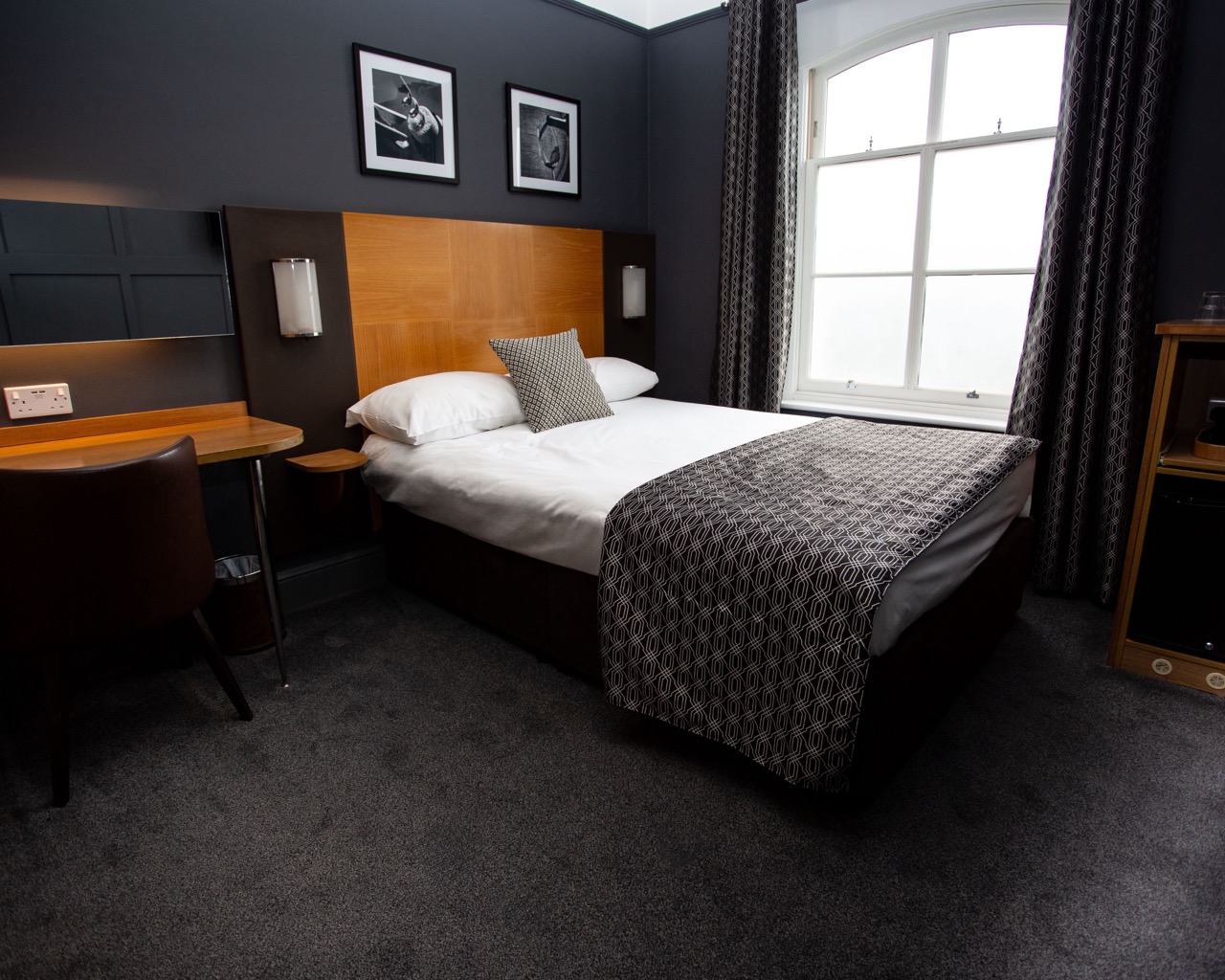
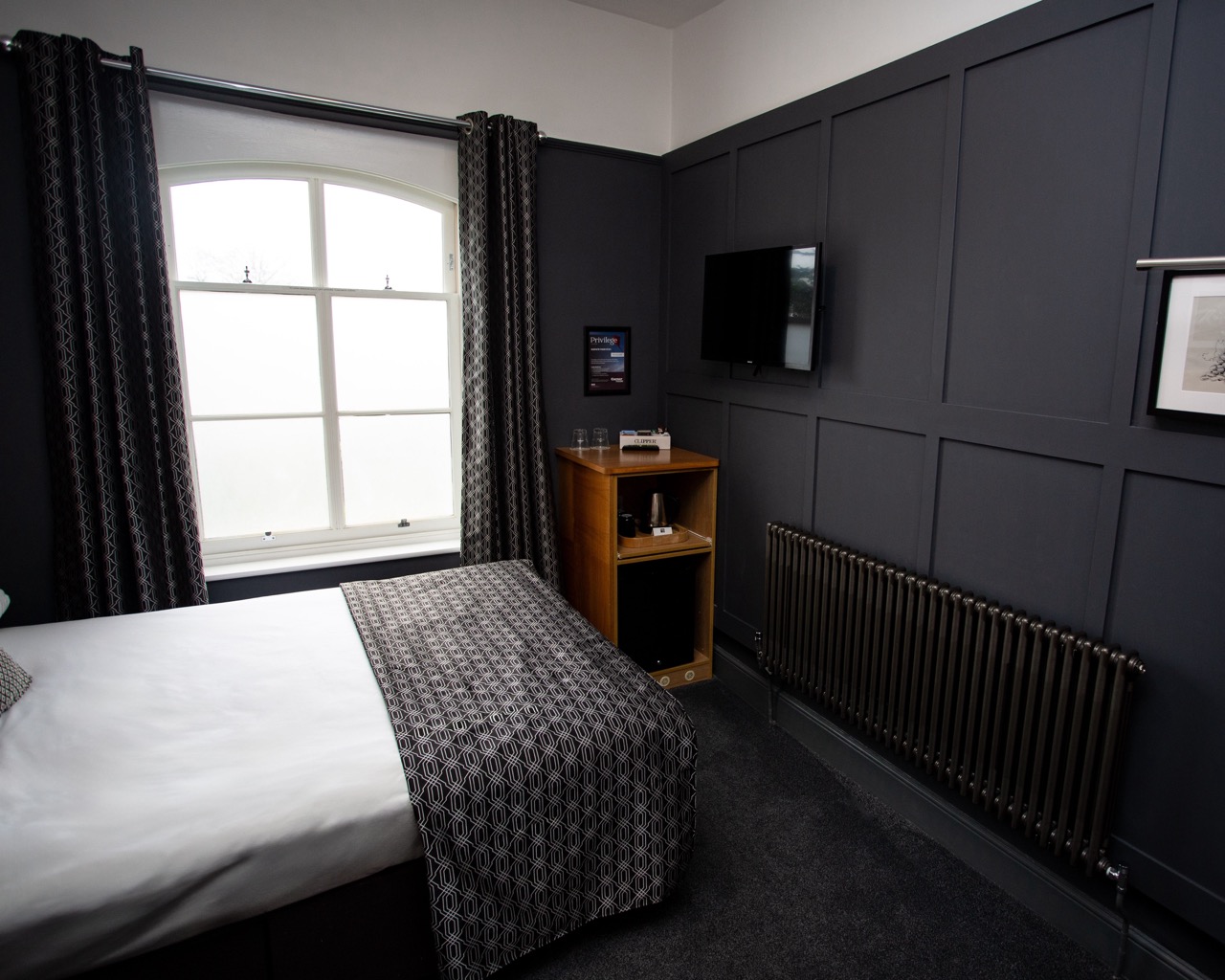
After a day spent walking through such heavy history, finding comfort in our rooms in Taunton at The Corner House Hotel offers the perfect way to reflect on the town’s resilient spirit.
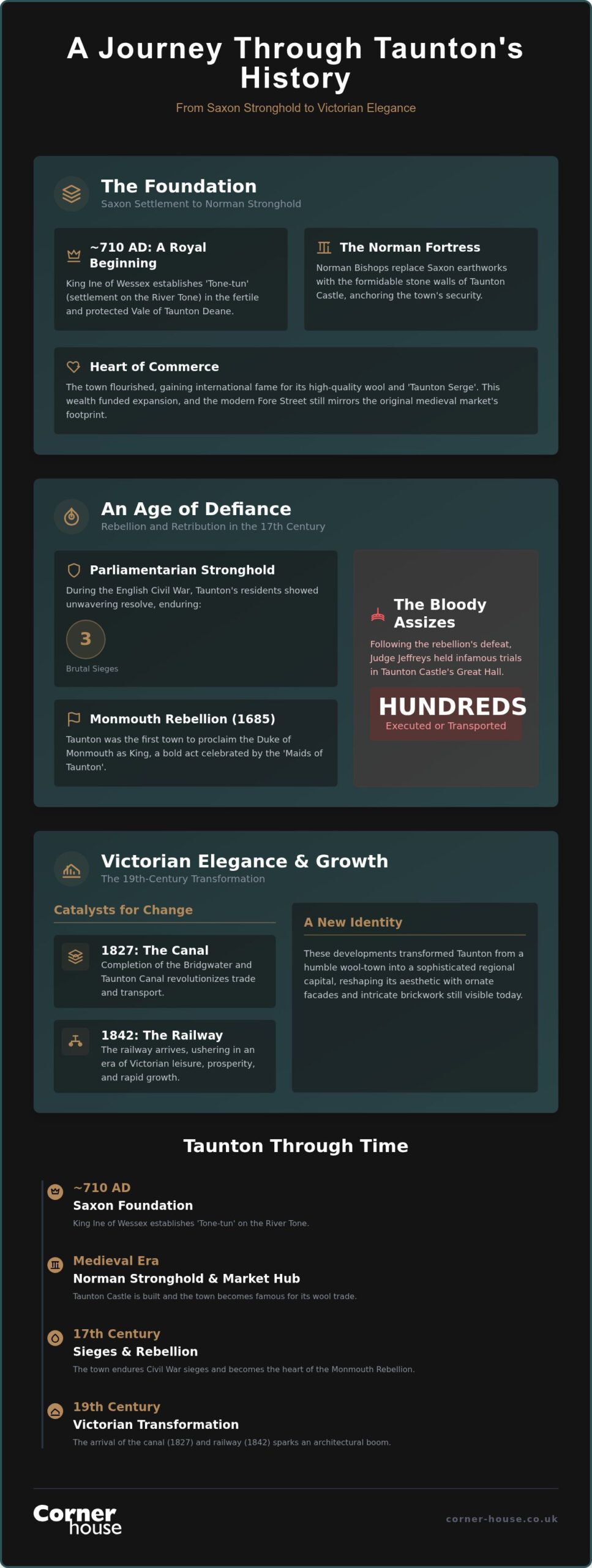
The 19th century ushered in a period of remarkable change, shifting the town’s identity from a humble medieval wool-town to a sophisticated regional capital. This transformation was largely driven by infrastructure. The completion of the Bridgwater and Taunton Canal in 1827 and the arrival of the railway in 1842 acted as catalysts for an unprecedented architectural boom. These developments didn’t just move goods; they brought a new sense of Victorian leisure and prosperity that reshaped the town’s aesthetic.
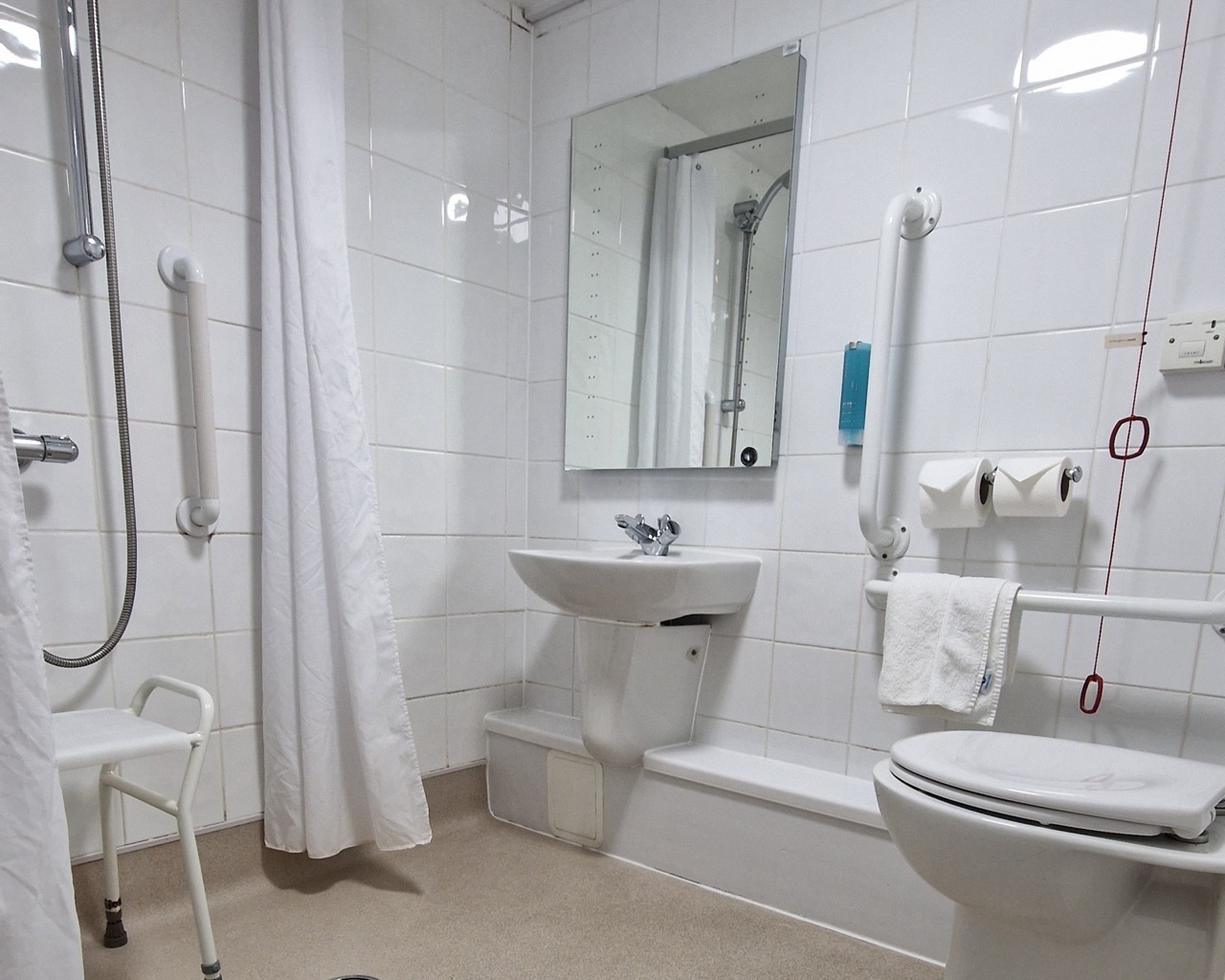
Today, the living history of taunton is etched into the ornate facades of Fore Street. You can still see the intricate brickwork and grand windows that defined the era’s ambition. According to Somerset’s Historic Environment Record: Taunton, this period solidified the town’s role as a commercial heart for the county. For those wishing to immerse themselves in this heritage, staying in our rooms in Taunton provides a unique opportunity to live within the very history you’re exploring.
Maintaining this historic character requires careful stewardship. Establishments like The Corner House Hotel serve as modern guardians of 19th-century style, blending original Victorian architecture with contemporary hospitality. This evolution extends to the local palate, where the town has transitioned from traditional coaching inns to sophisticated French-inspired dining that reflects Taunton’s modern, polished identity.
To fully appreciate how these eras intertwine, we invite you to explore the wider range of things to do in Taunton. From the quiet riverside paths of the Saxon era to the bustling Victorian markets, the history of taunton is best experienced by wandering its streets and savoring its local charm.
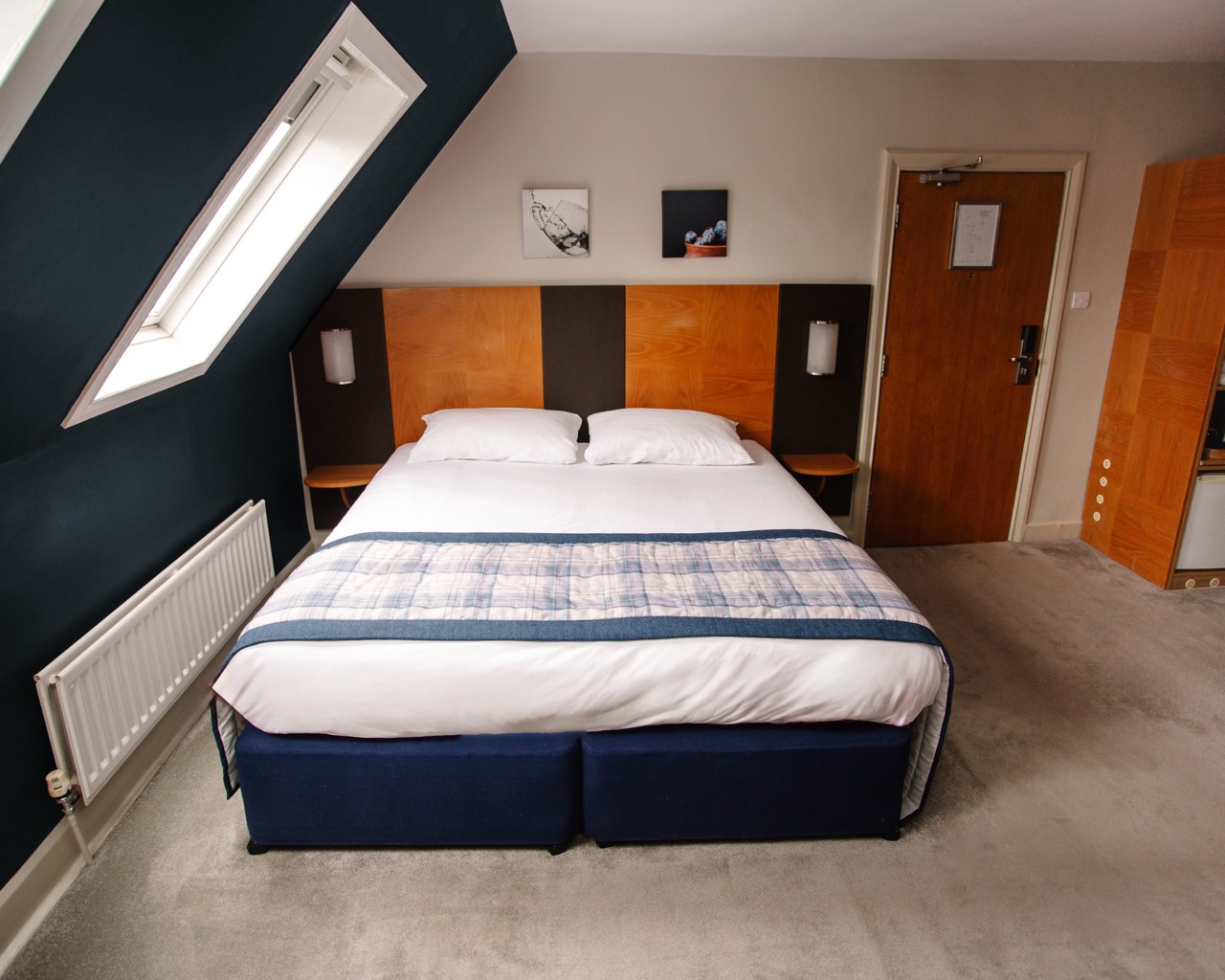
We’ve traced the path from the ancient Saxon ‘Tone-tun’ and the dramatic sieges of the 17th century to the elegant Victorian expansion that defines our modern skyline. The history of taunton is more than just dates in a book; it’s the tangible atmosphere found in the stones of the Castle and the graceful facades of our town centre. At The Corner House Hotel, we take pride in being a part of this enduring narrative, offering award-winning hospitality within a beautifully preserved Victorian setting. Whether you’re exploring with your four-legged companion in one of our Dog-Friendly Rooms or seeking a sophisticated base for a heritage weekend, our doors are open to welcome you. Book your stay at The Corner House Hotel and explore Taunton’s history. We look forward to being your host as you discover the timeless charm of Somerset.
Taunton is celebrated for its pivotal role in the Monmouth Rebellion and its long-standing status as a thriving market hub. Historically, the town was famous for its “Taunton Serge” wool trade. It also gained renown for its resistance during the English Civil War, holding out against Royalist forces through multiple heroic sieges that shaped the town’s resilient character.
Taunton Castle is a cornerstone of the history of taunton, serving as both a defensive fortress and a major judicial centre. Originally a Saxon earthwork, it was later rebuilt in stone by the Bishops of Winchester. Its most somber claim to fame is hosting the “Bloody Assizes” in 1685, where Judge Jeffreys tried hundreds of rebels within its formidable walls.
The ‘Maids of Taunton’ were a group of schoolgirls who famously welcomed the Duke of Monmouth to the town in 1685. They presented the Duke with a hand-stitched banner and a Bible to show their support for his rebellion. This act of defiance became a local legend, though it sadly led to their arrest and heavy fines after the uprising failed.
During the Bloody Assizes, the notorious Judge Jeffreys presided over a series of brutal trials at the Castle’s Great Hall. In the autumn of 1685, hundreds of local men were sentenced to death or transportation to the West Indies for their part in the rebellion. These harsh punishments left a permanent mark on the history of taunton and its community.