10 November 2026

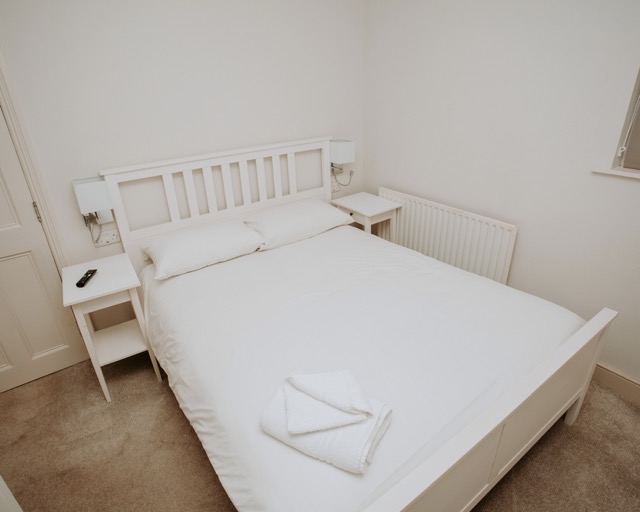
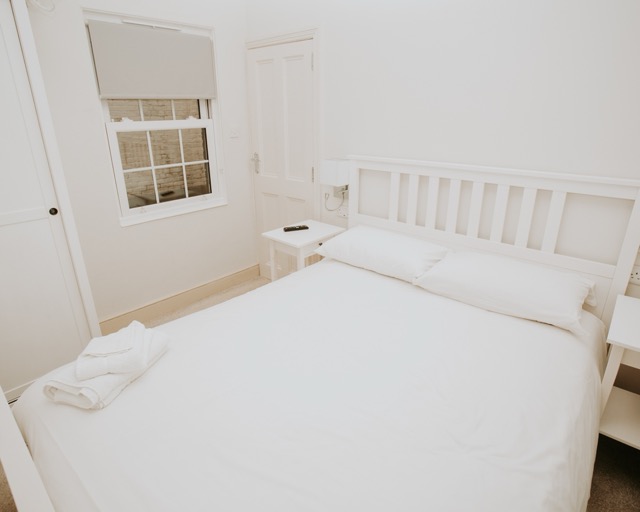
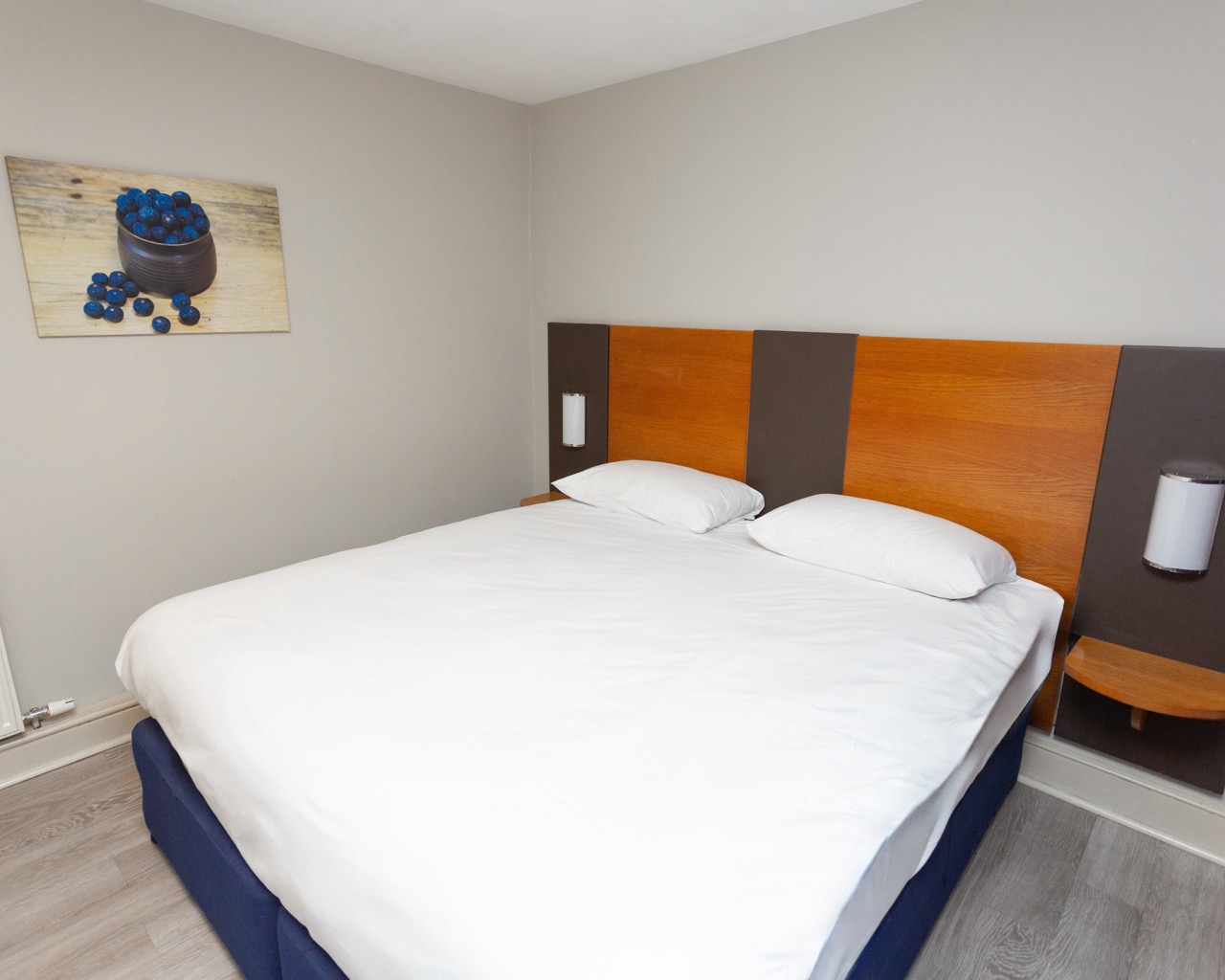
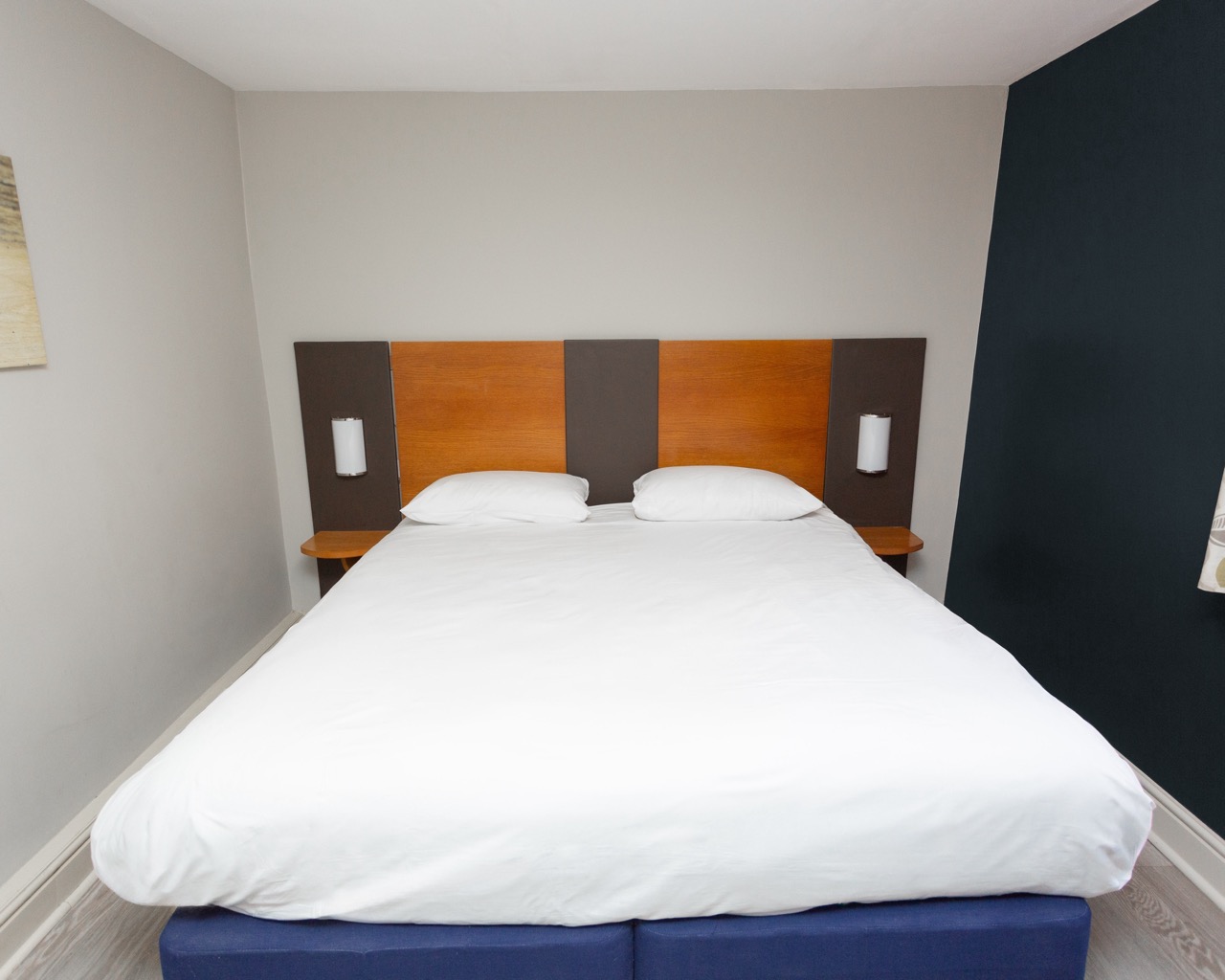
A double room doesn’t mean a room with two double beds. In the UK, the main difference in a twin room vs double room is the bed arrangement: a twin room has two single beds, while a double room has one shared bed. Both are generally intended for two guests, but the room name alone may not make the exact setup clear.
It’s an easy distinction to miss when booking, especially because hotel terminology can vary. This guide explains how twin and double rooms compare, what a room with two double beds means, and how other room labels are commonly used, so you can understand the sleeping arrangement before choosing.
The twin room vs double room distinction is mainly about the bed arrangement. Both types are generally intended for two guests in UK hotels, but they provide different sleeping setups. That matters when you’re travelling with someone who has different sleeping preferences.
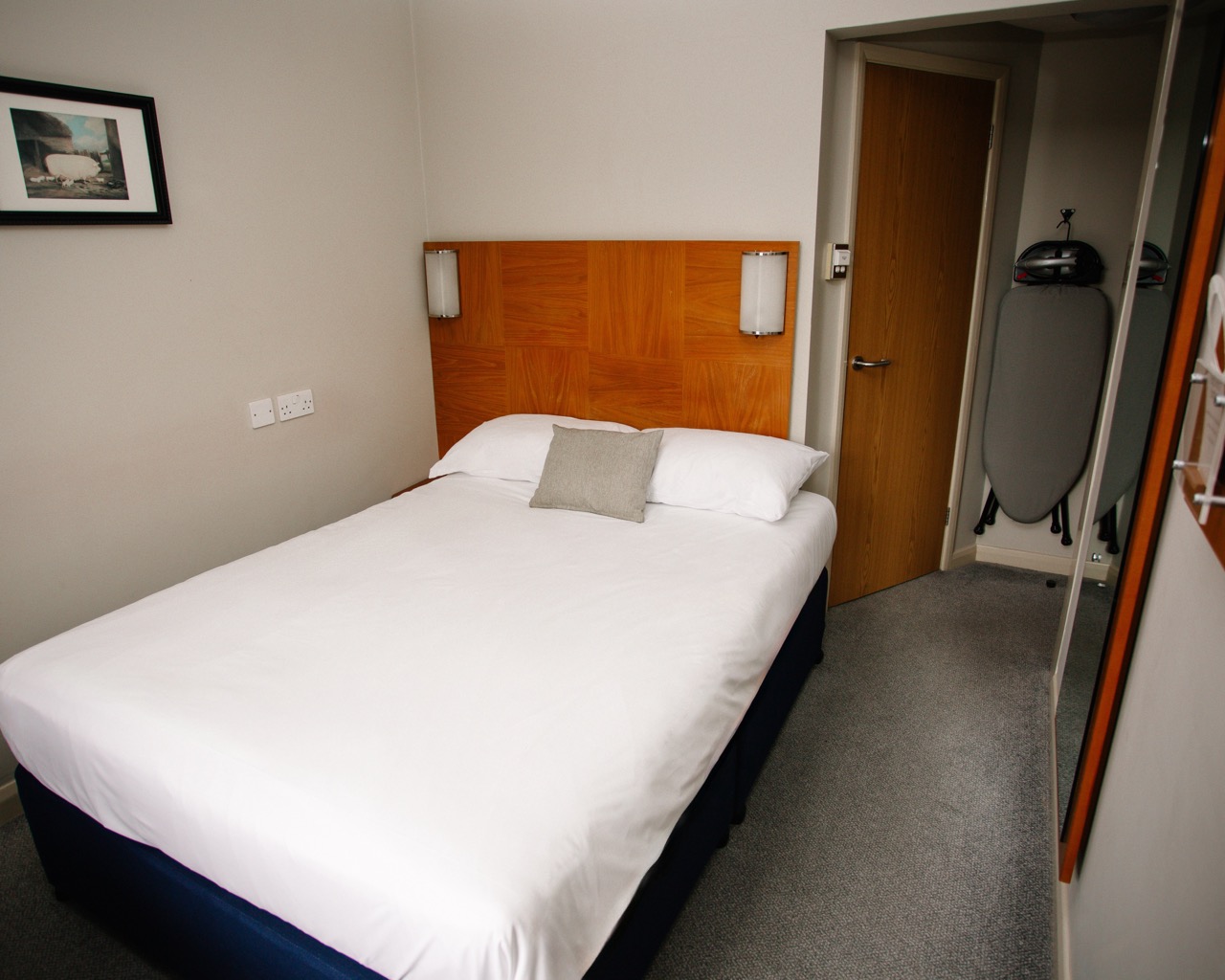
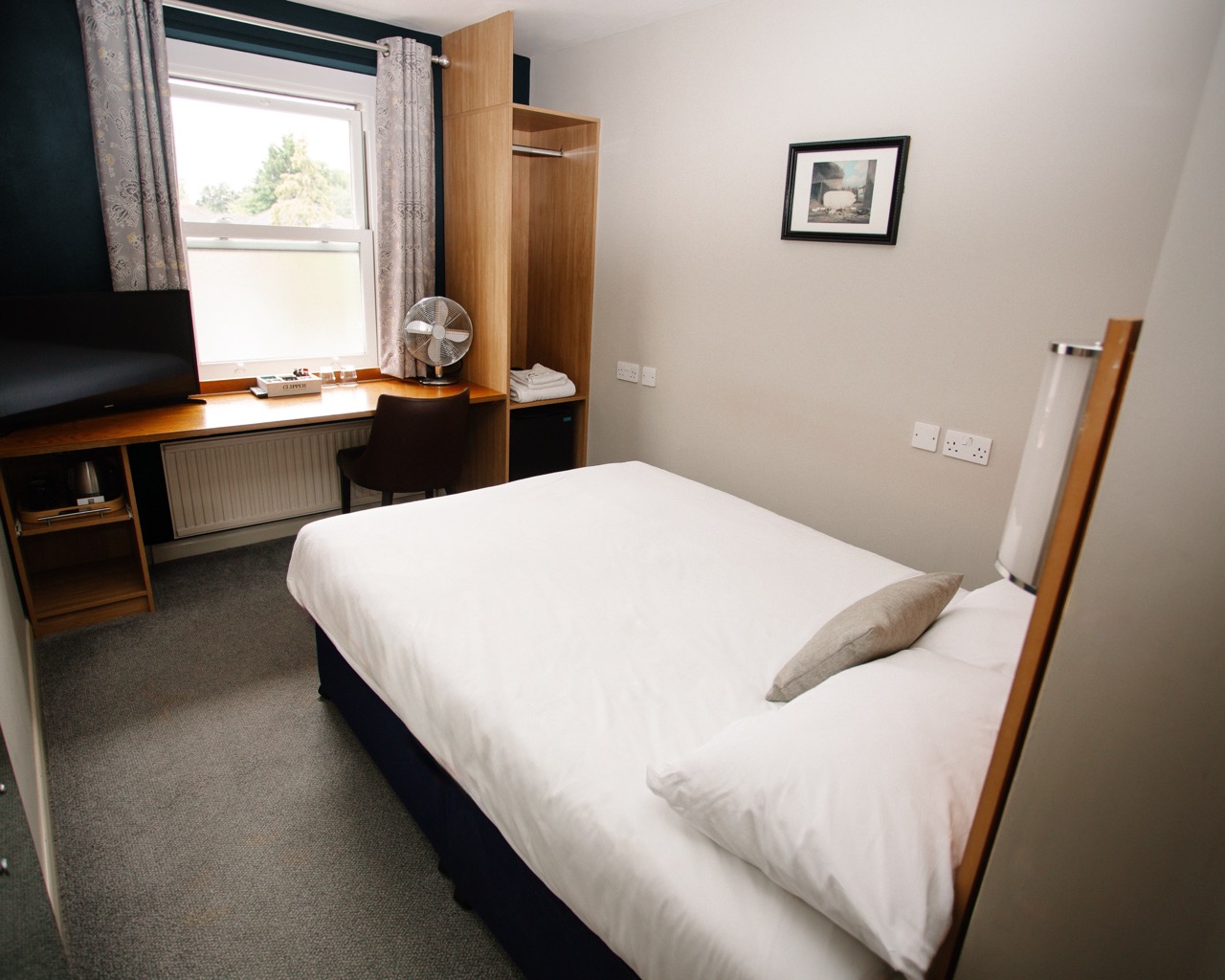
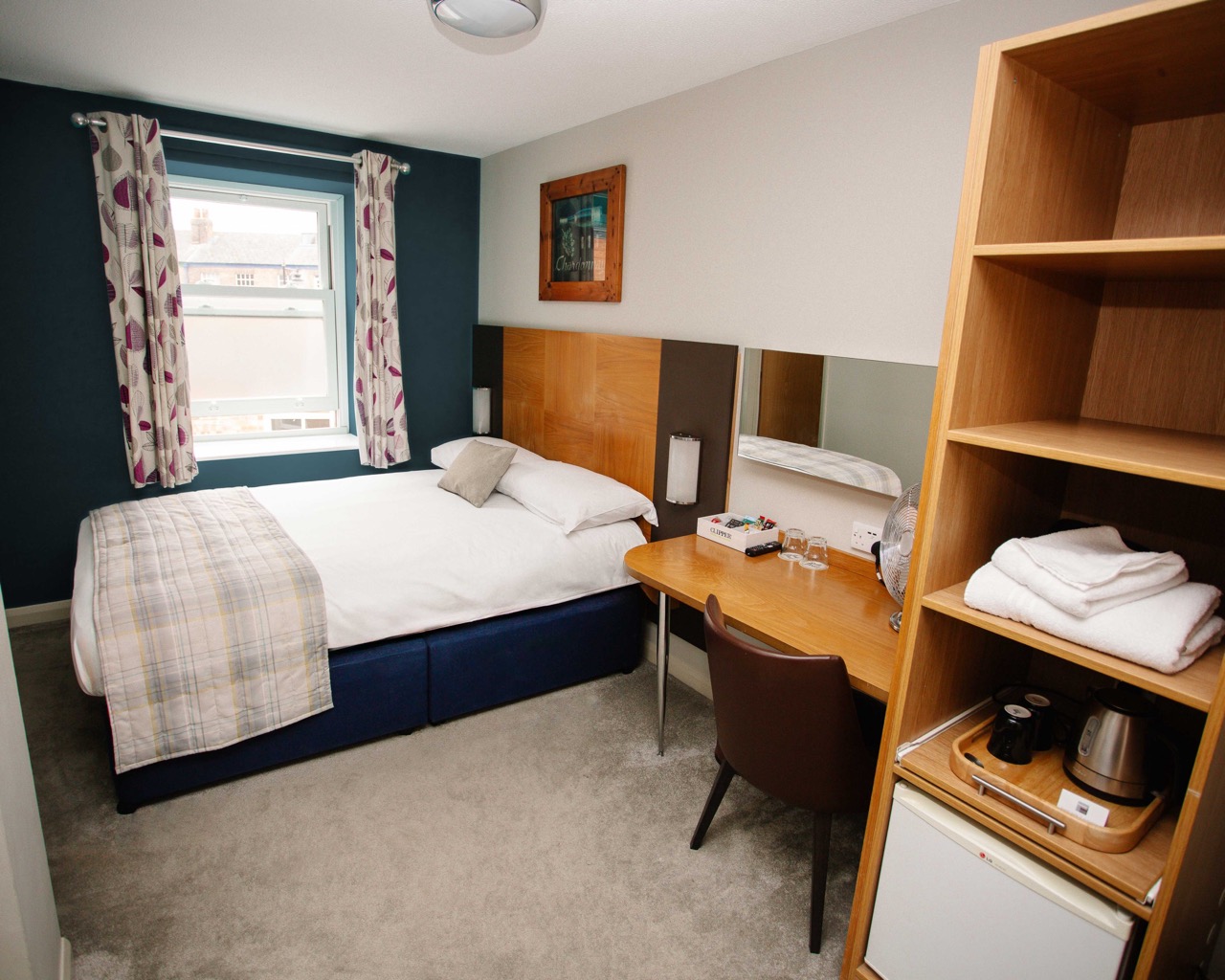
A twin room contains two single beds, while a double room contains one double bed. In the UK, a single or twin bed is around 190 centimetres long and 90 centimetres wide. A double bed is typically 190 centimetres long and 137 centimetres wide, though its width can vary slightly. For the twin room vs double room choice, consider whether you want separate mattresses or space to share one bed.
A double room can suit couples who prefer sharing a bed; a twin room gives friends separate sleeping spaces. For example, travelling colleagues may find two singles more comfortable, while partners may prefer one shared bed. UK twin and double rooms normally have a maximum occupancy of two guests, so families travelling with children need to consider the room’s stated capacity as well as its bed arrangement.
There’s no fixed price difference based on twin or double layout alone. Rates can depend on the room category and booking dates, so different bed arrangements don’t automatically mean different prices. Compare options for the same dates and category to see how they differ. Choose between a twin room vs double room based on the sleeping arrangement you need, then consider the total rate for your stay.
Can a double room have two separate beds? Yes. Hotel listings may use “double room” for a room with two twin beds or one shared bed. In UK listings, “double” alone doesn’t mean the room has two double beds, so check the full description if separate sleeping spaces matter.
The distinction is especially useful for groups sharing a room. A room with two double beds has two larger beds, while a twin arrangement has two single beds. These descriptions indicate different layouts, even if each room is intended for two guests. For example, friends travelling together might want separate beds, while family members sharing a room may prefer the extra sleeping surface offered by two double beds.
Location can affect how a room label is understood. In the US, a “double room” often refers to a room with two double beds. UK hotels more commonly use “double room” for one shared bed, so assuming the US meaning when booking in the UK can lead to the wrong expectation. Look for the bed type and number stated in the room description.
Two separate beds may also be described as a “double or twin” arrangement. Some hotels use zip-and-link beds, which can be joined as one larger bed or separated into twin beds. The label alone doesn’t confirm which layout will be provided.
For a UK stay, written confirmation of your preferred arrangement can help clarify the booking before the cancellation window closes. Wording such as “two single beds” distinguishes that setup from a room with one double bed. Check the arrangement again after changing your dates or room, as an amendment may affect the room category.
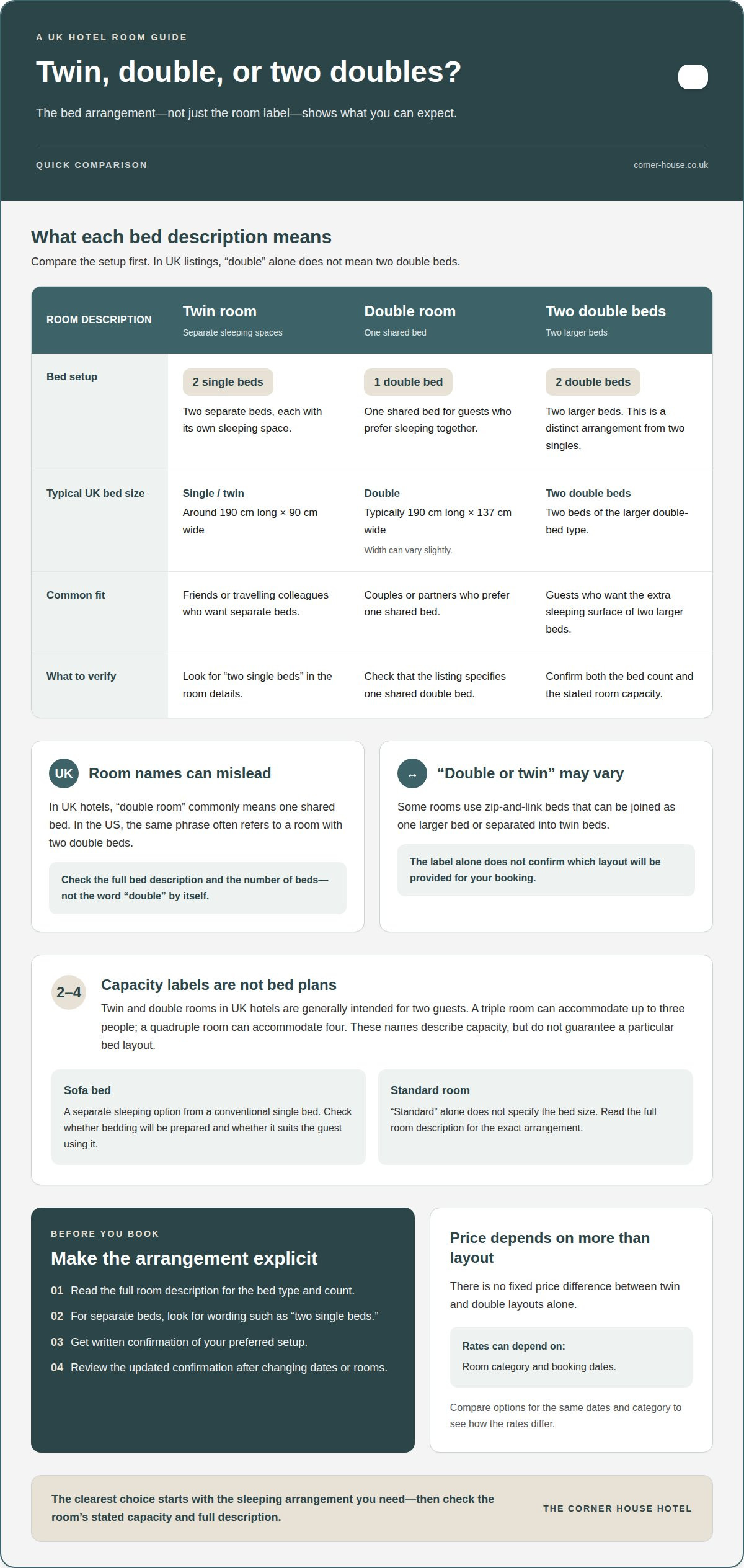
Hotel room labels can indicate sleeping capacity and, sometimes, the bed arrangement. In UK listings, twin and double rooms generally accommodate two guests, but the category doesn’t always specify the beds. A standard room can have different bed sizes, so read the full description rather than relying on “standard” alone.
Other labels often indicate how many people a room can sleep. A triple room can accommodate up to three people, while a quadruple room can accommodate four. These names describe capacity, not a guaranteed bed layout. A room for four, for example, might have several beds or a combination of bed types, so check the arrangement when planning for a family or group.
Sofa beds offer another sleeping option, but they differ from conventional single beds, and their suitability depends on who will use one. Check whether the sofa bed will be prepared with bedding, particularly if a child or guest needs a proper bed for the night. The room’s stated occupancy alone doesn’t explain the sleeping setup.
If the room has a different arrangement from the one specified in your booking, show reception your confirmation. After changing dates or rooms, review the updated confirmation, as the allocated room category may have changed. This can help clarify a mismatch between the reservation and the room provided.
For a stay in Taunton, explore the hotel room options to see which room type suits your trip.
Visit Seoul says double and twin rooms are intended for two people. A standard hotel double bed typically measures 54 inches wide by 75 inches long, or 1.4 metres wide and 1.9 metres long.
A UK “double or twin” room may not confirm the bed setup for your booking. Zip-and-link beds do not necessarily guarantee a twin arrangement for your dates.
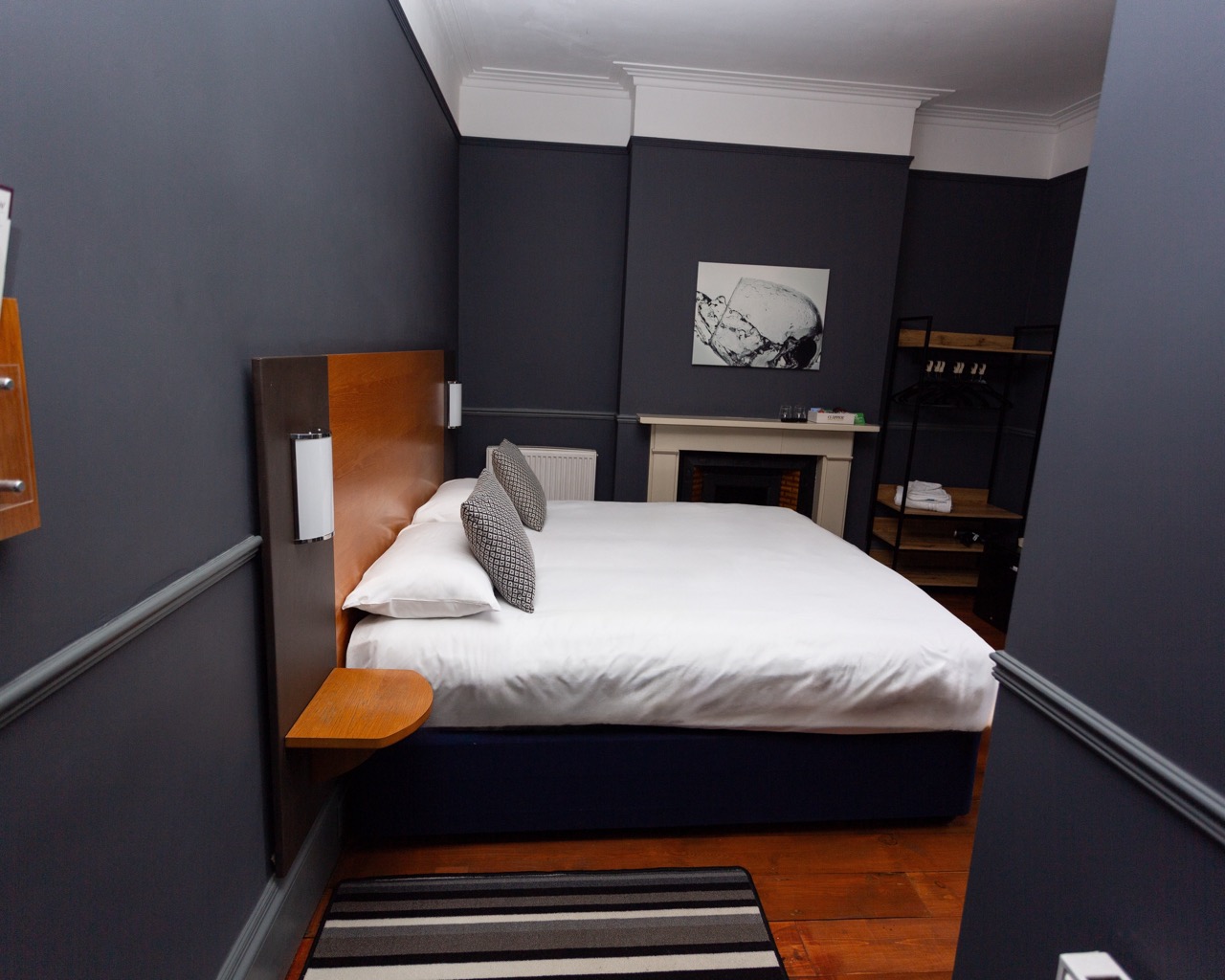
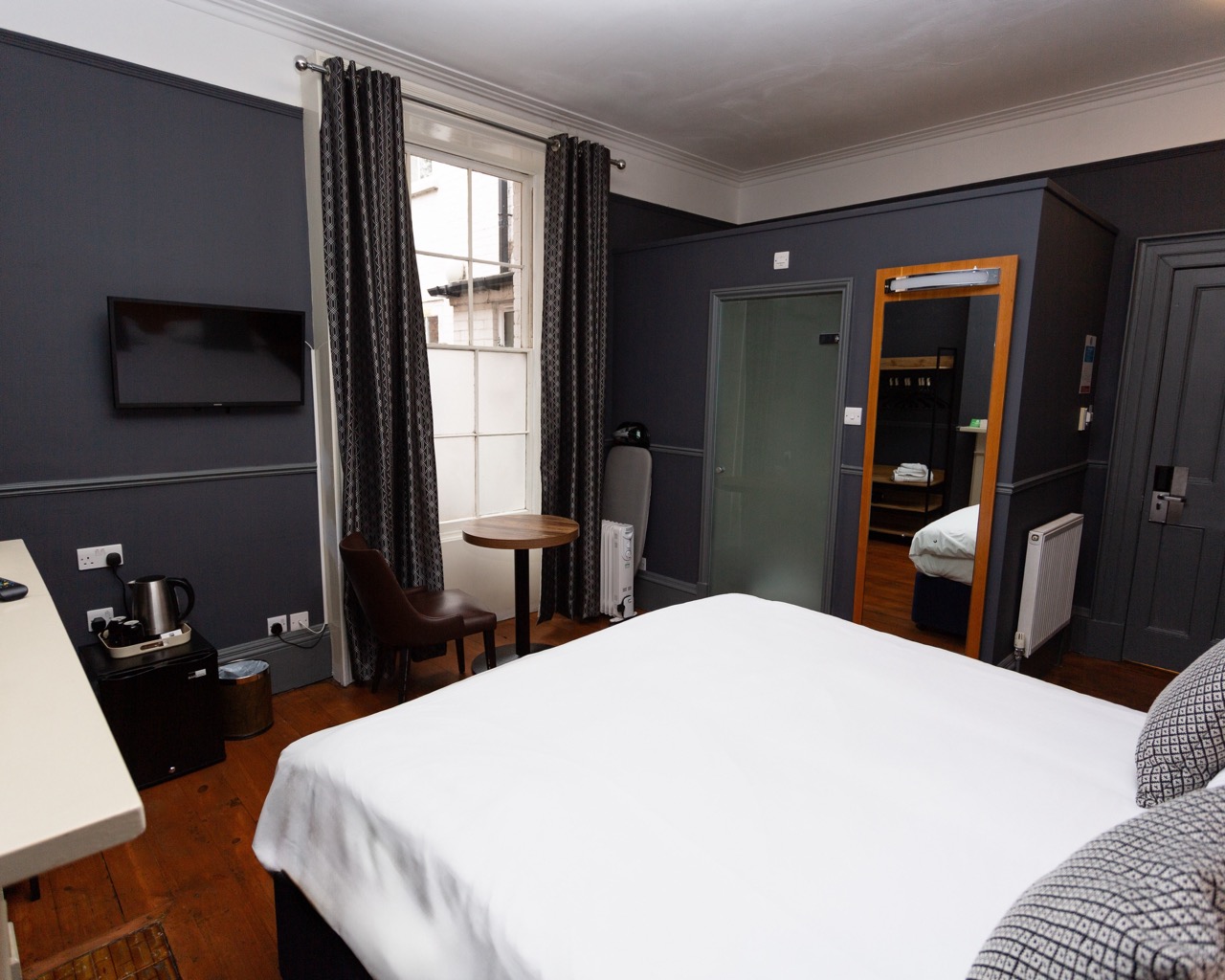
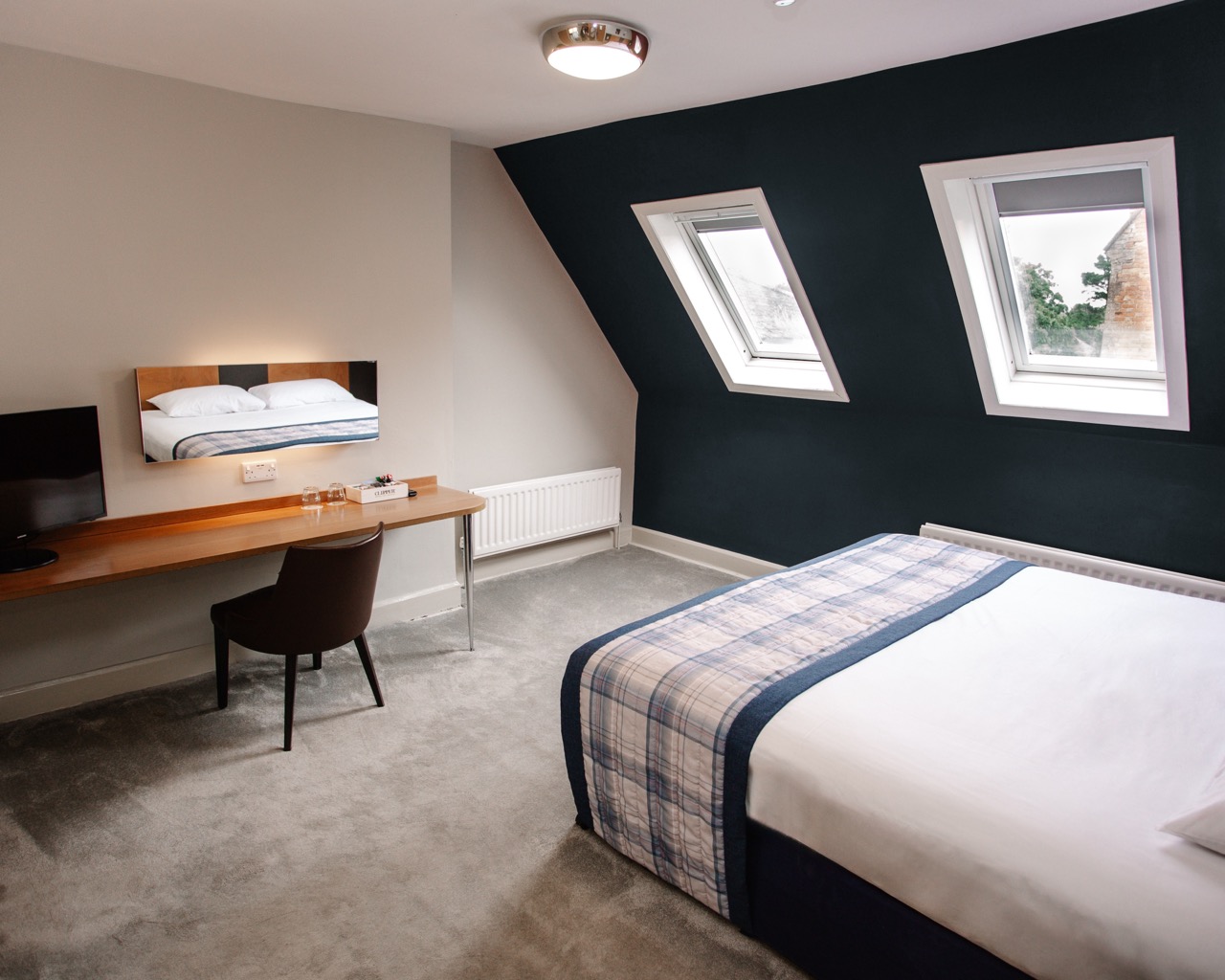
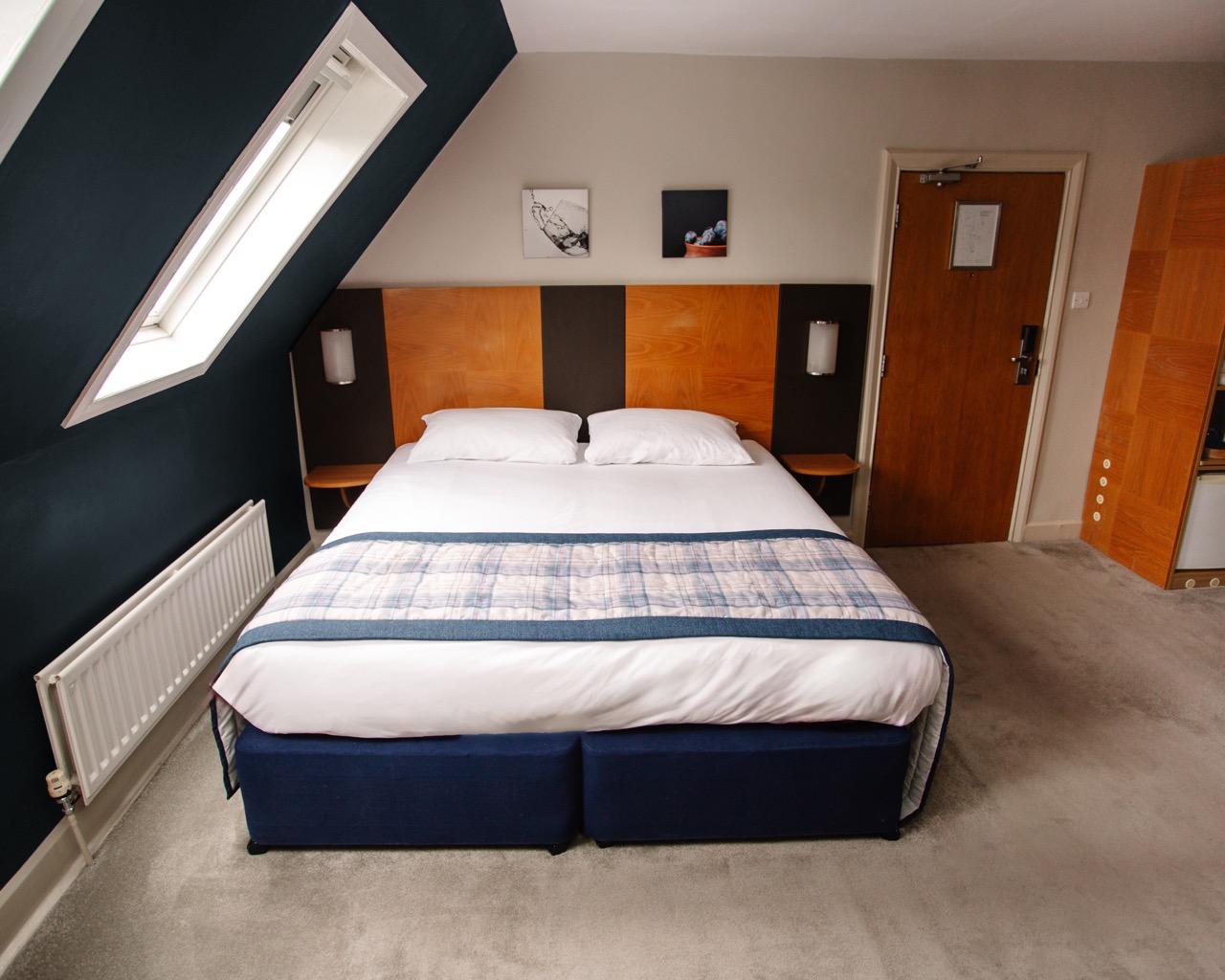
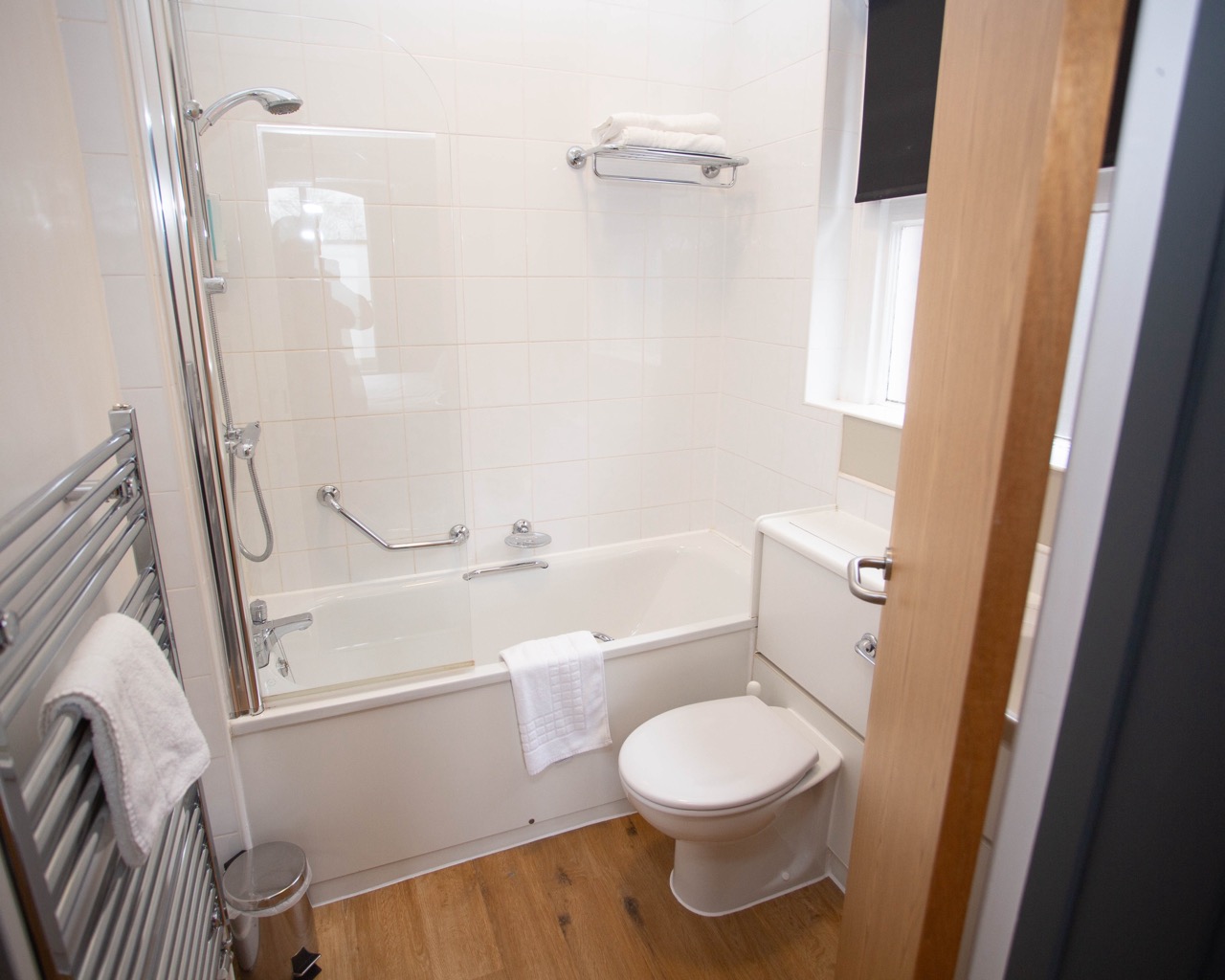
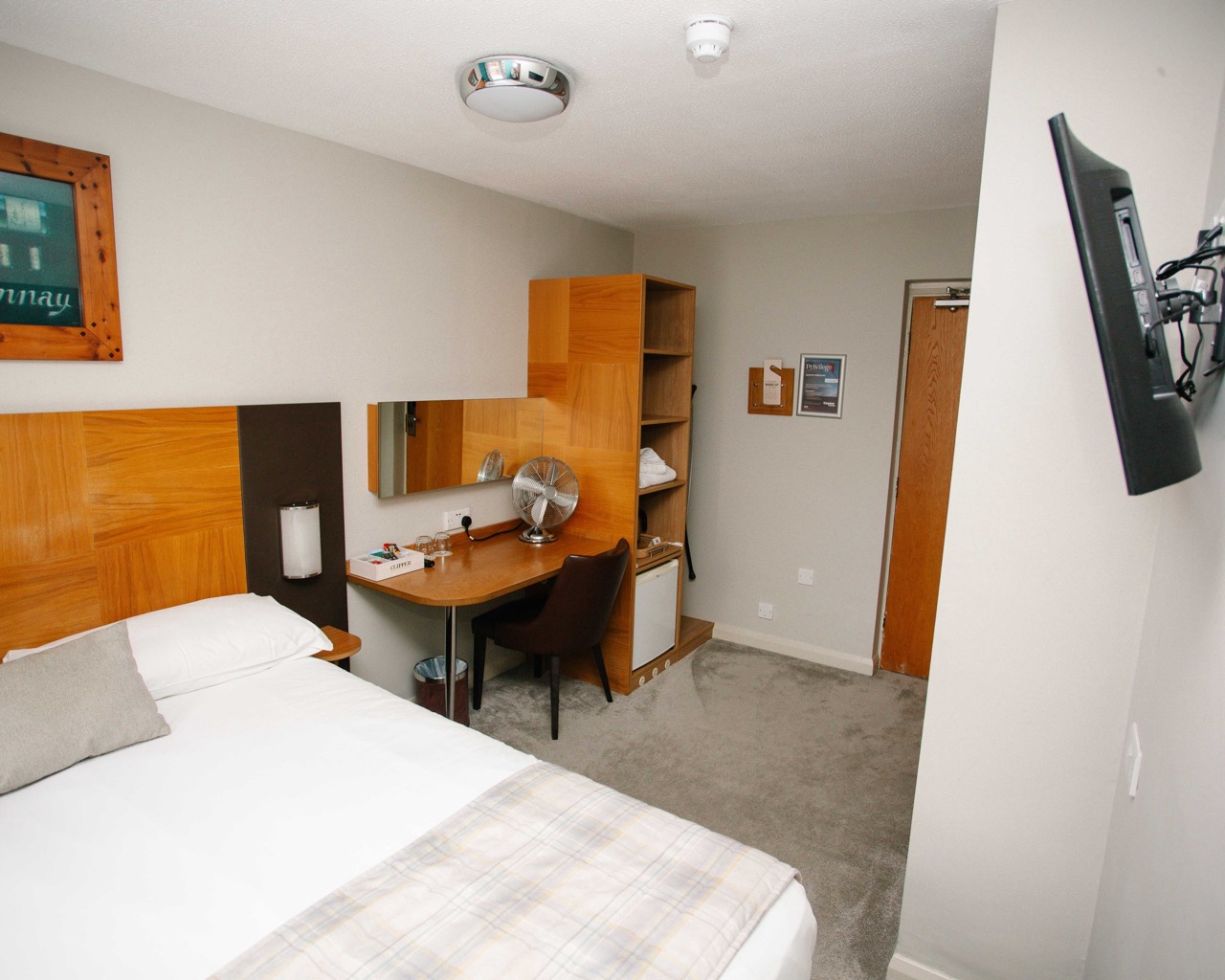
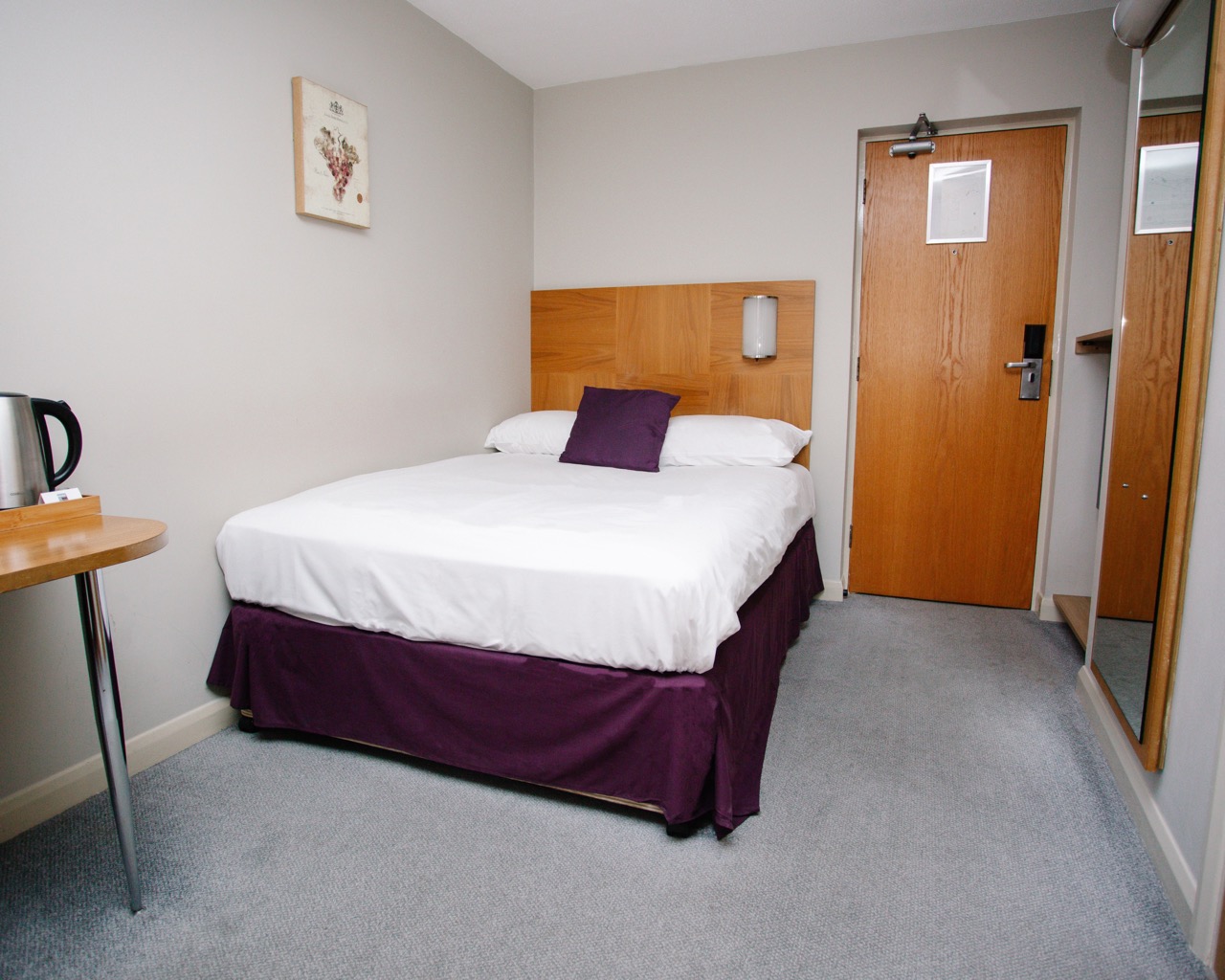
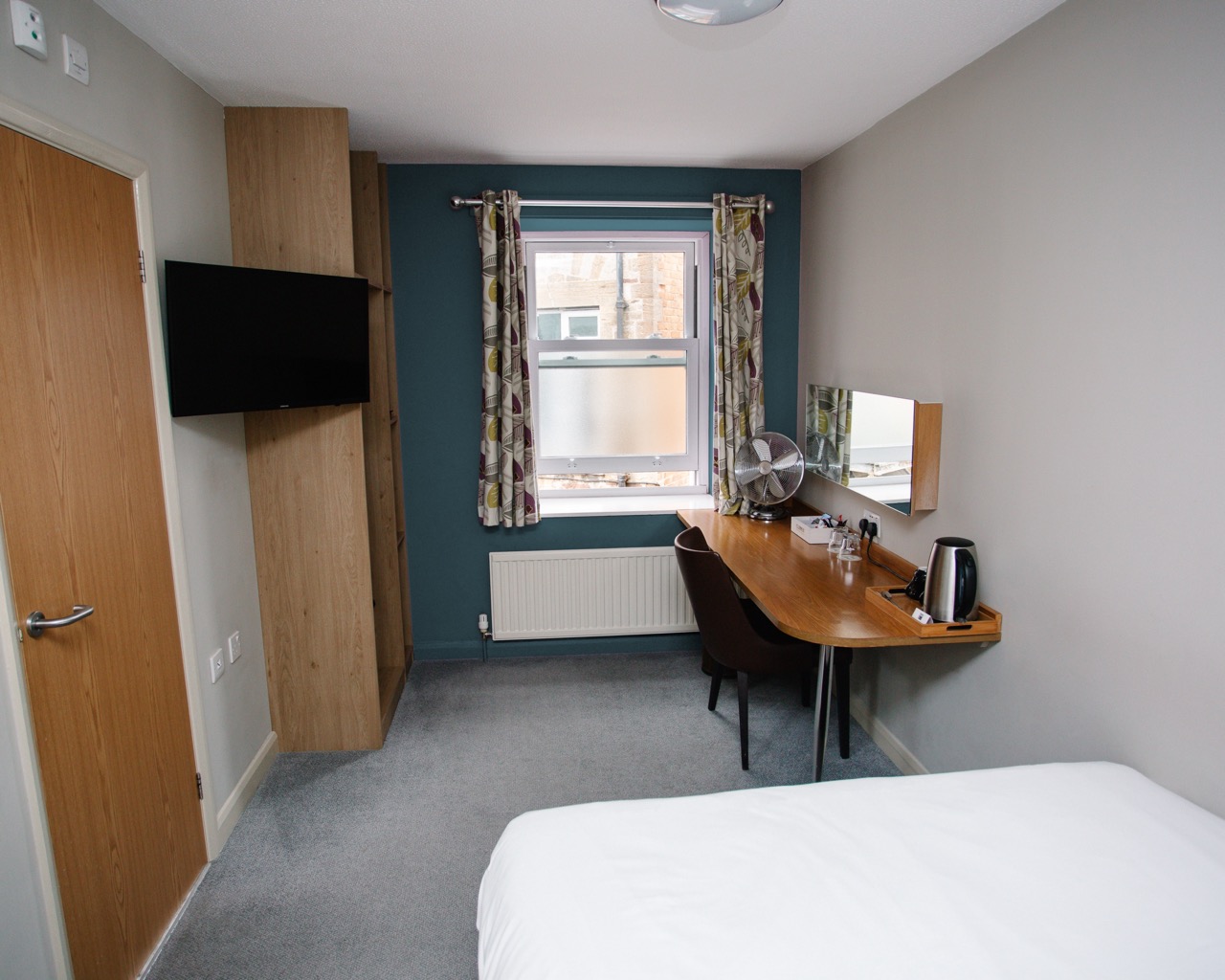
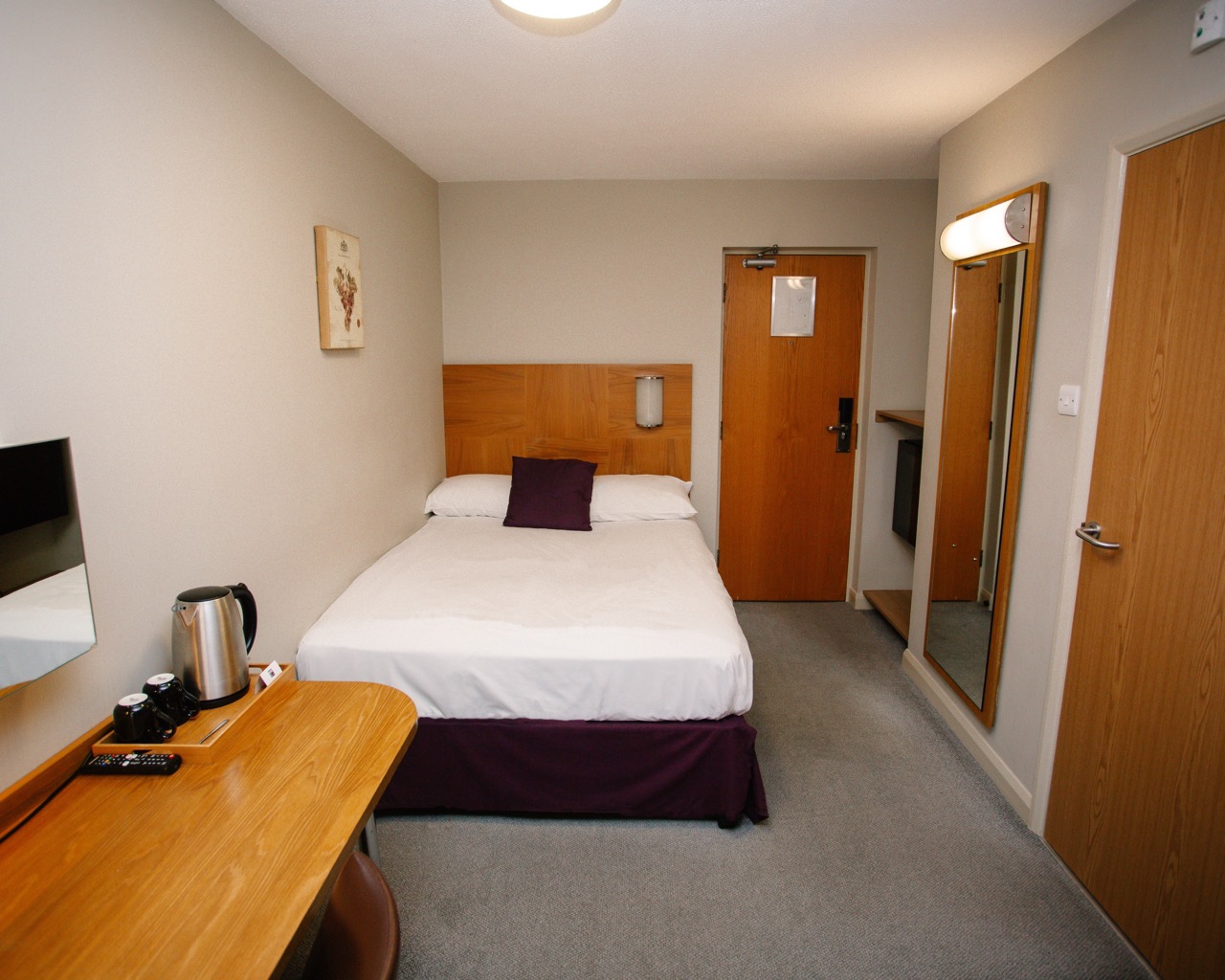
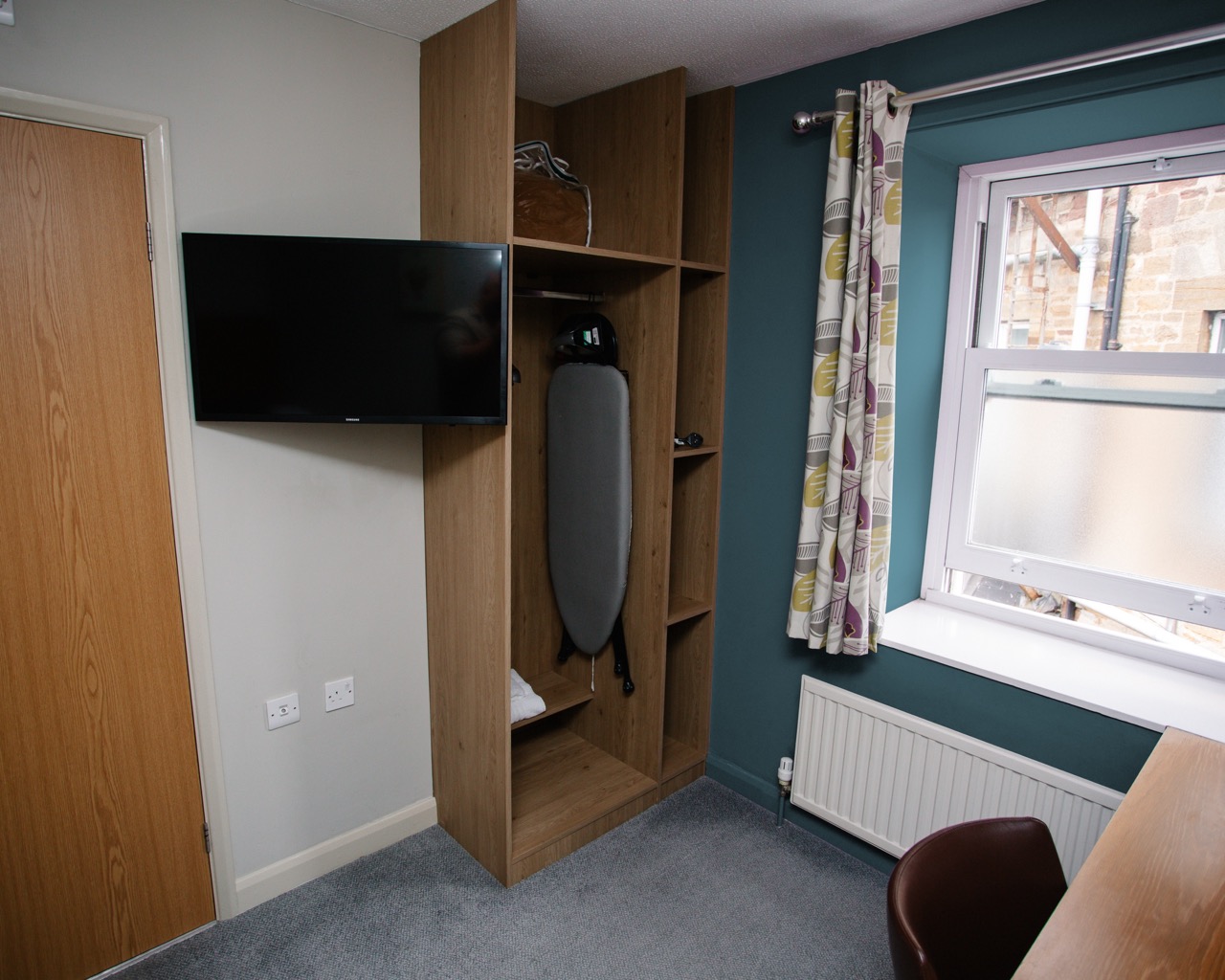
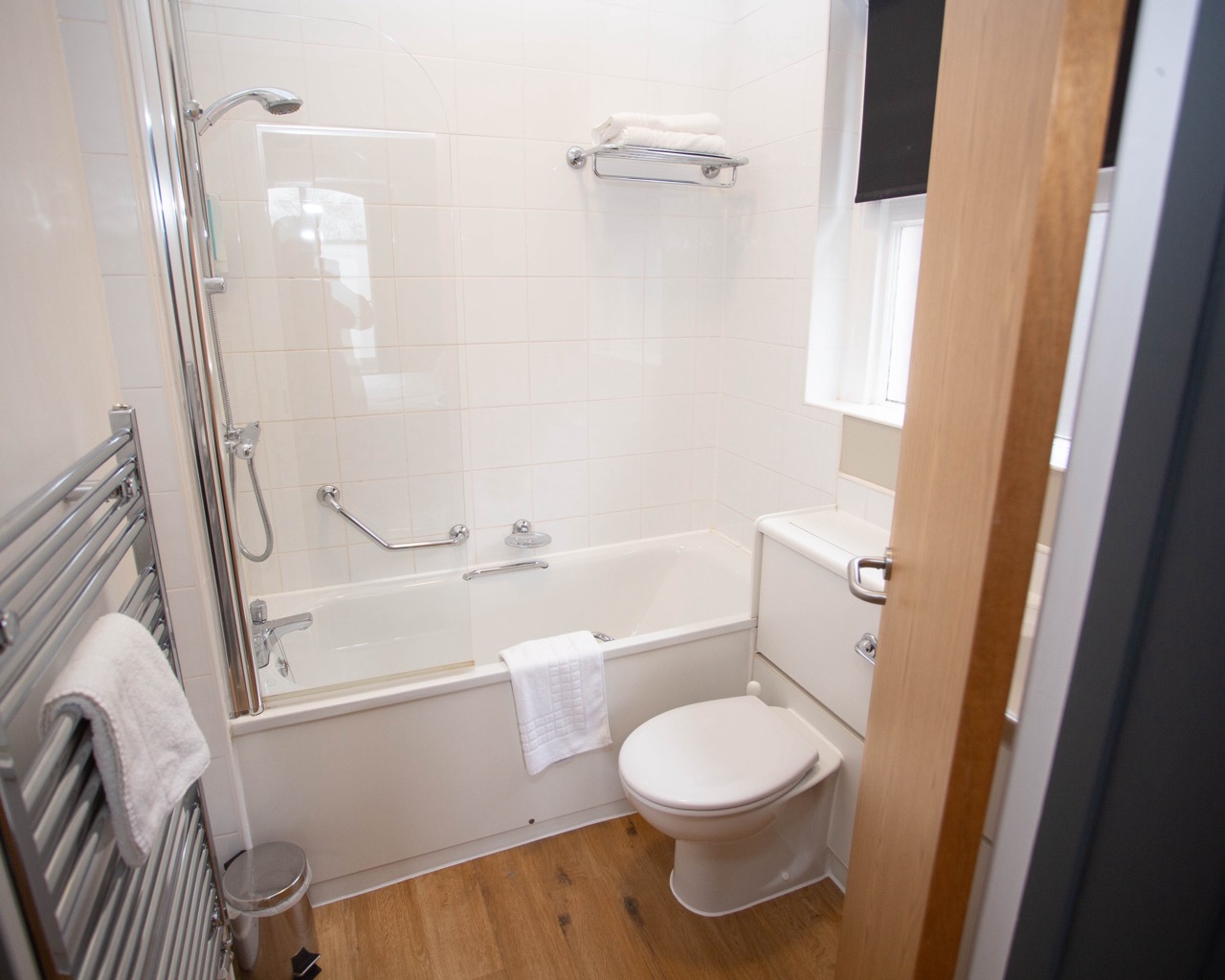
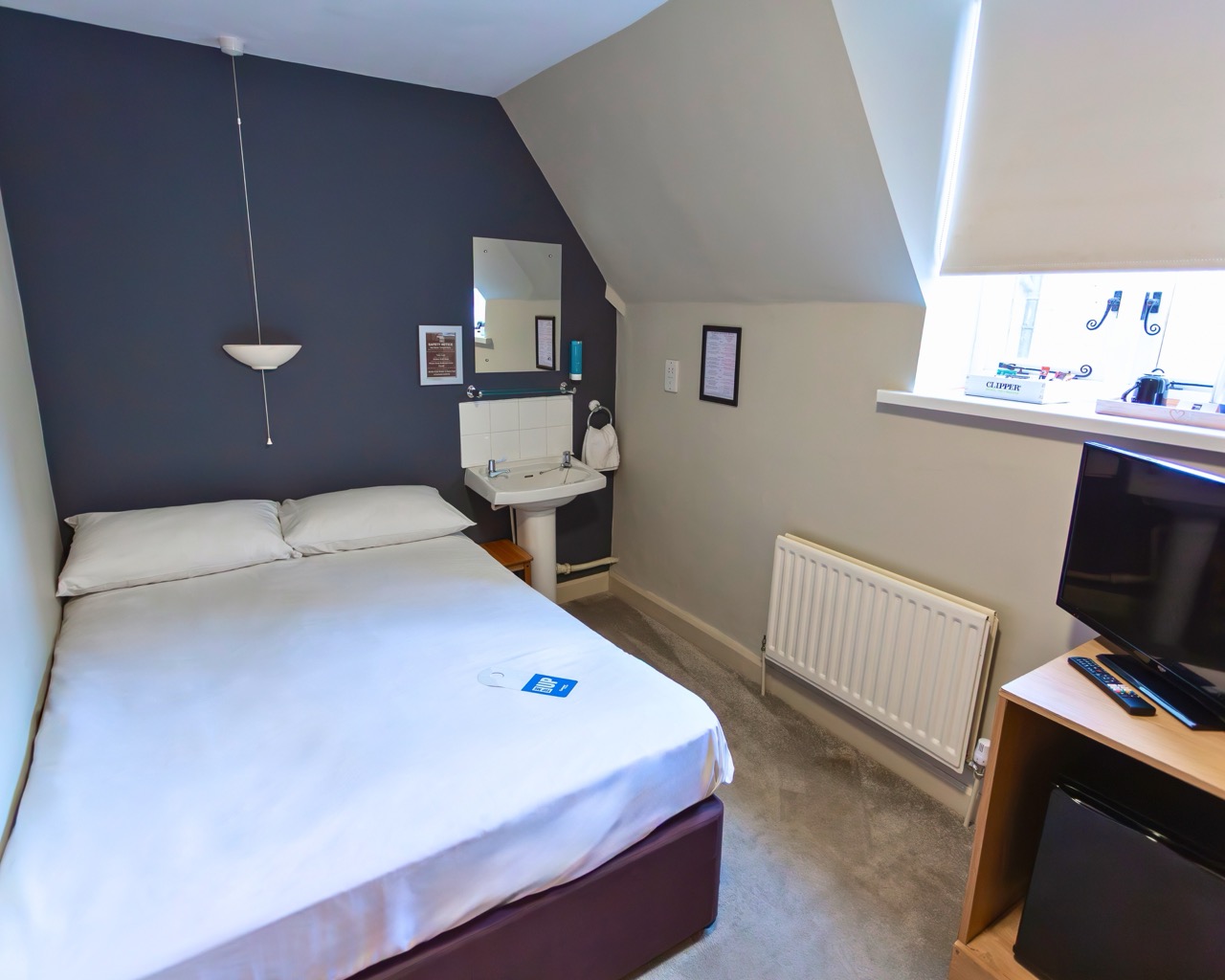
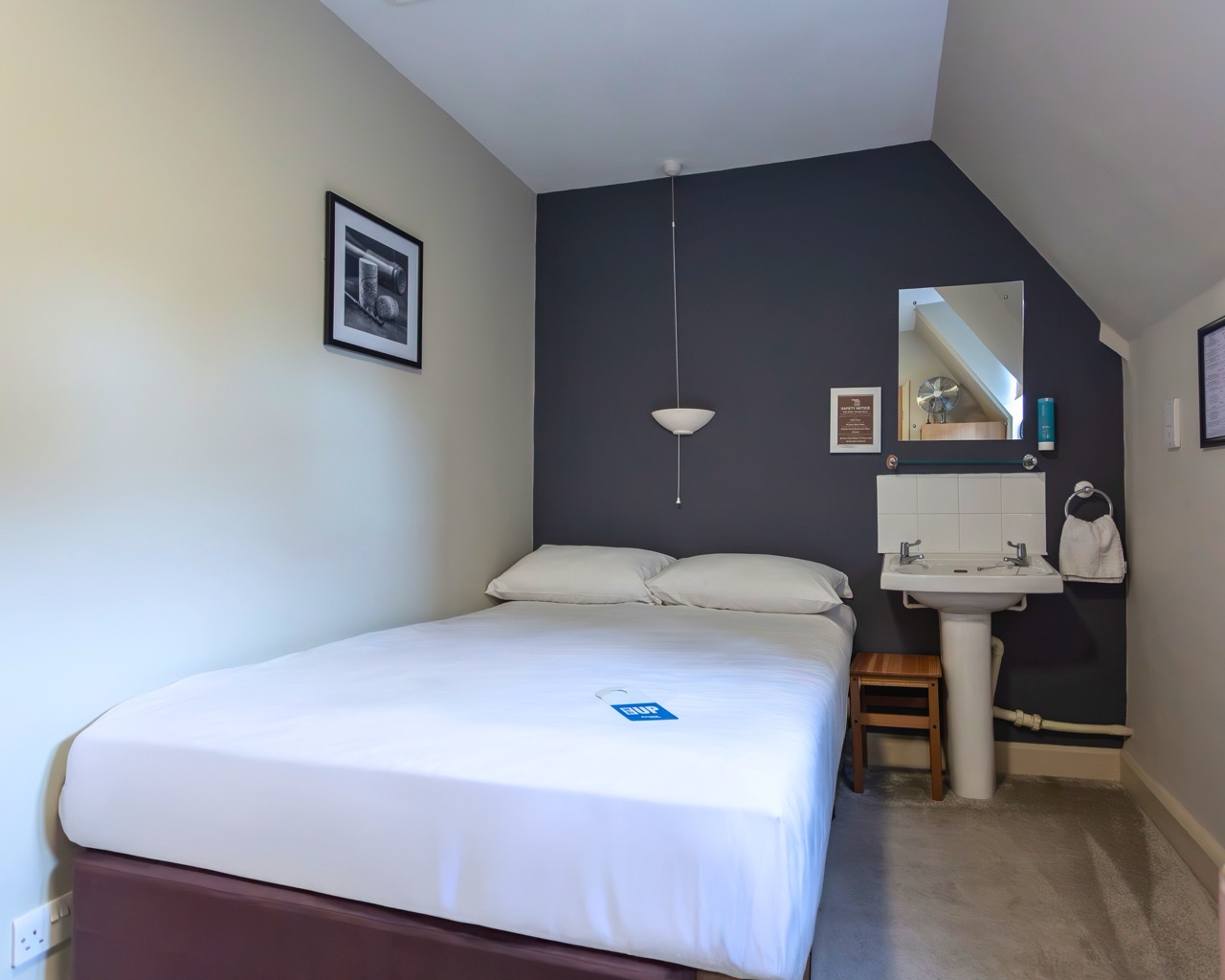
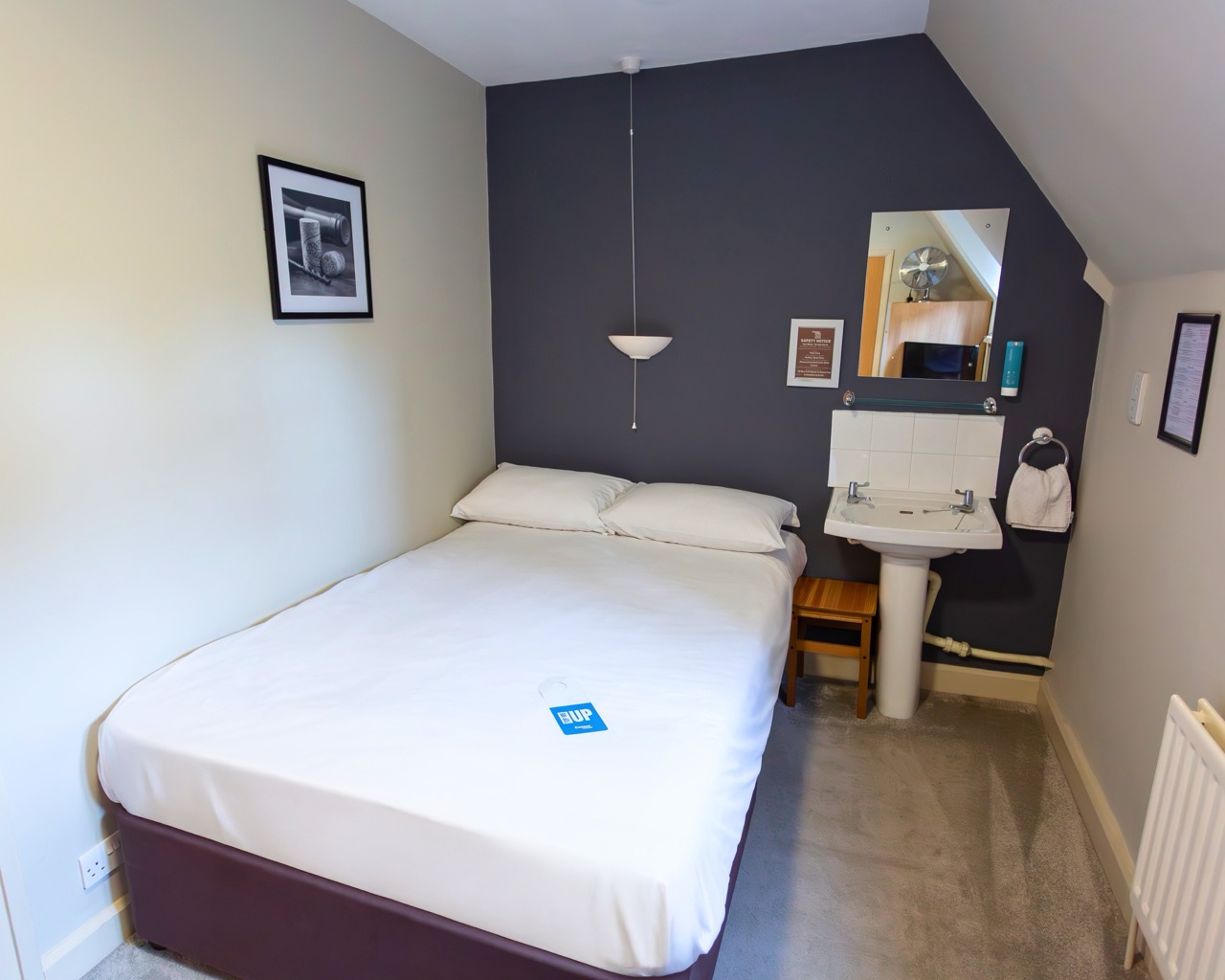
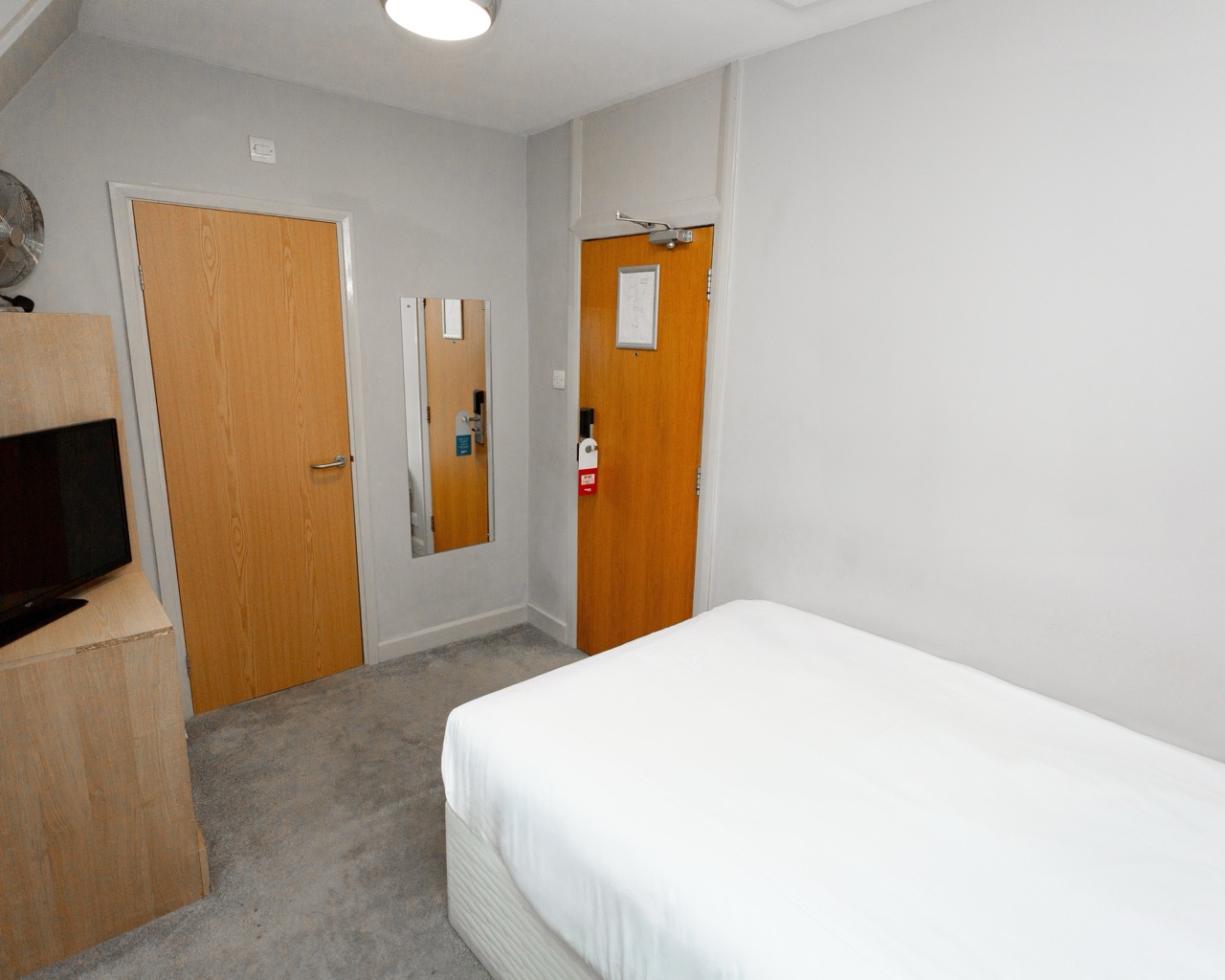
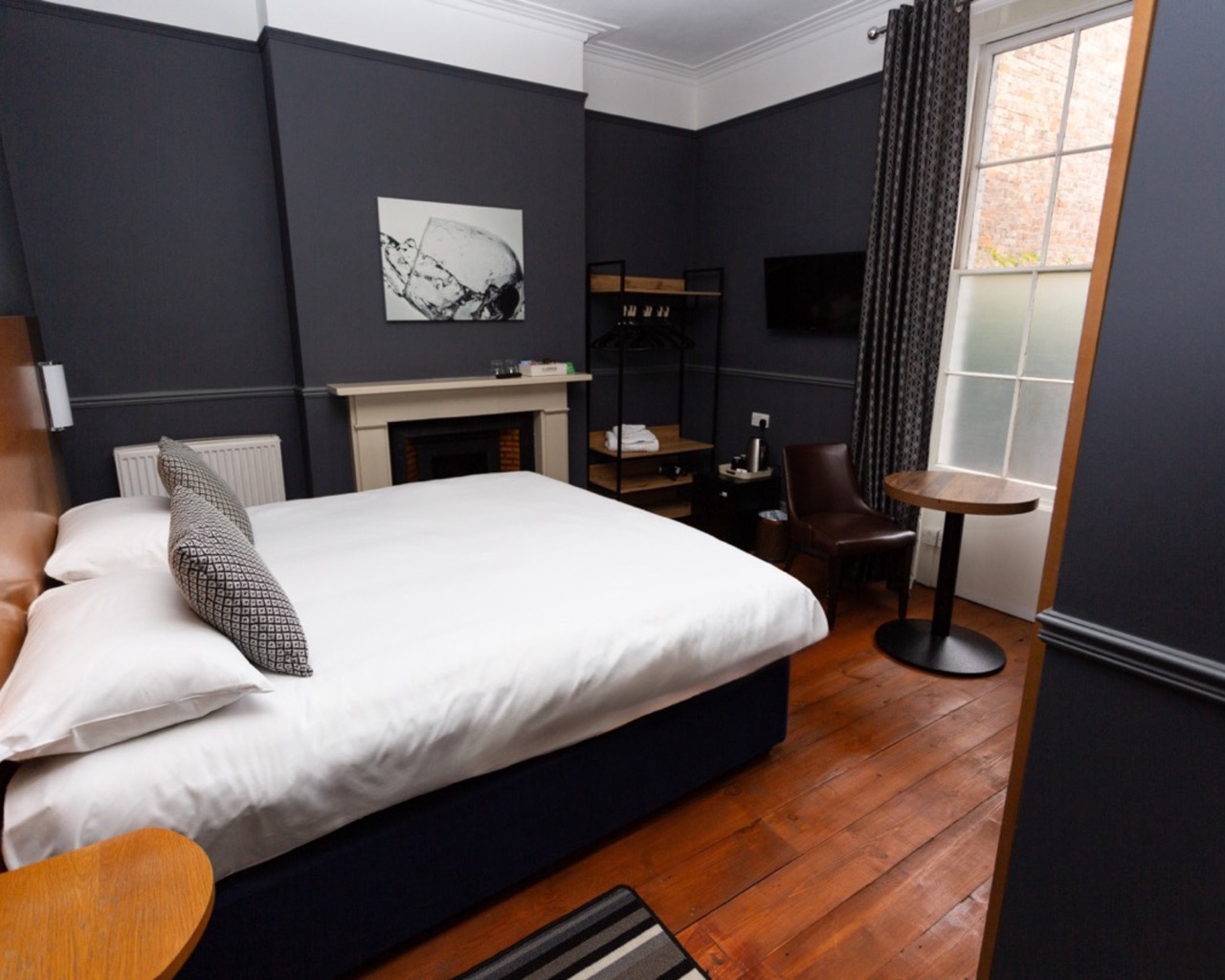
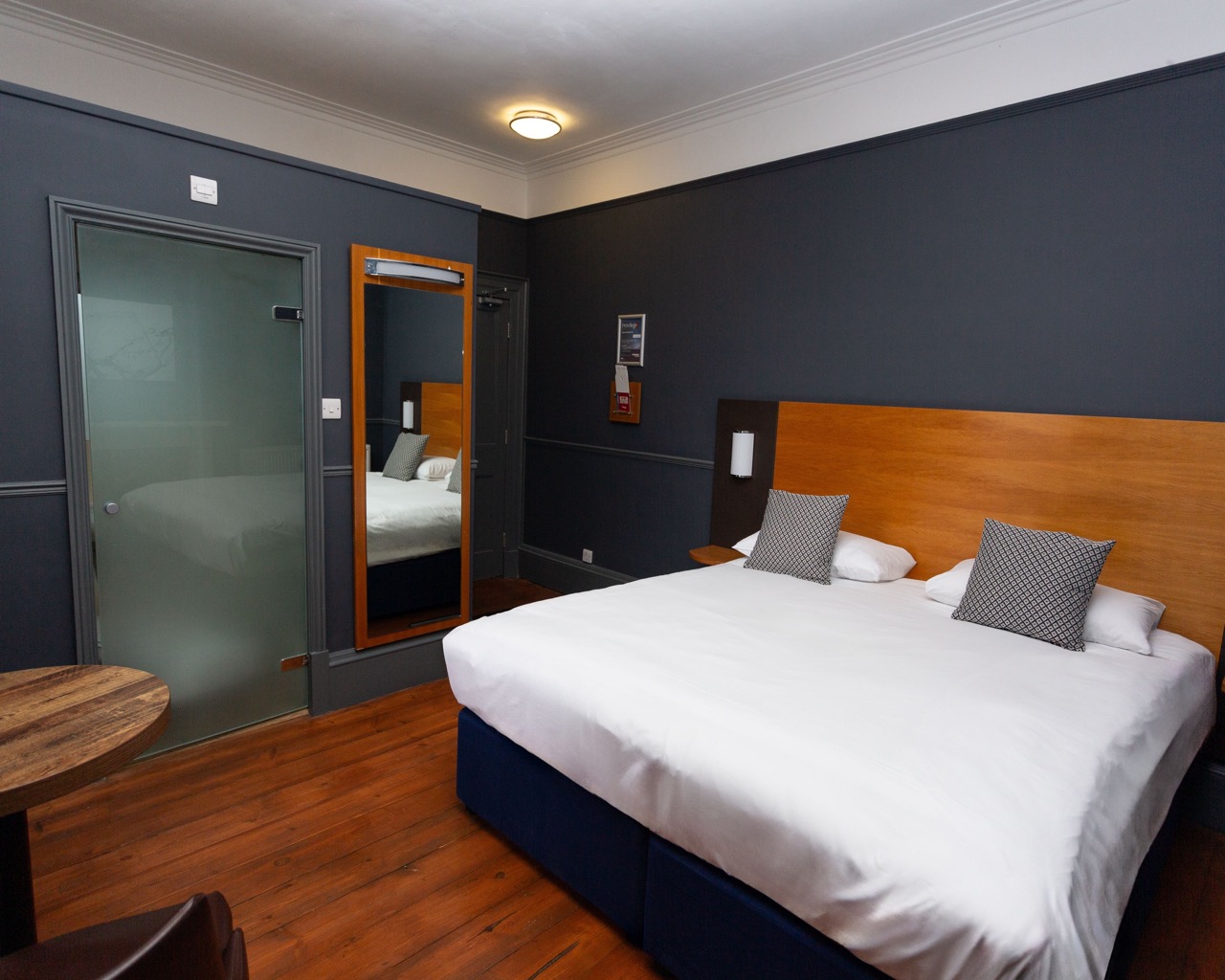
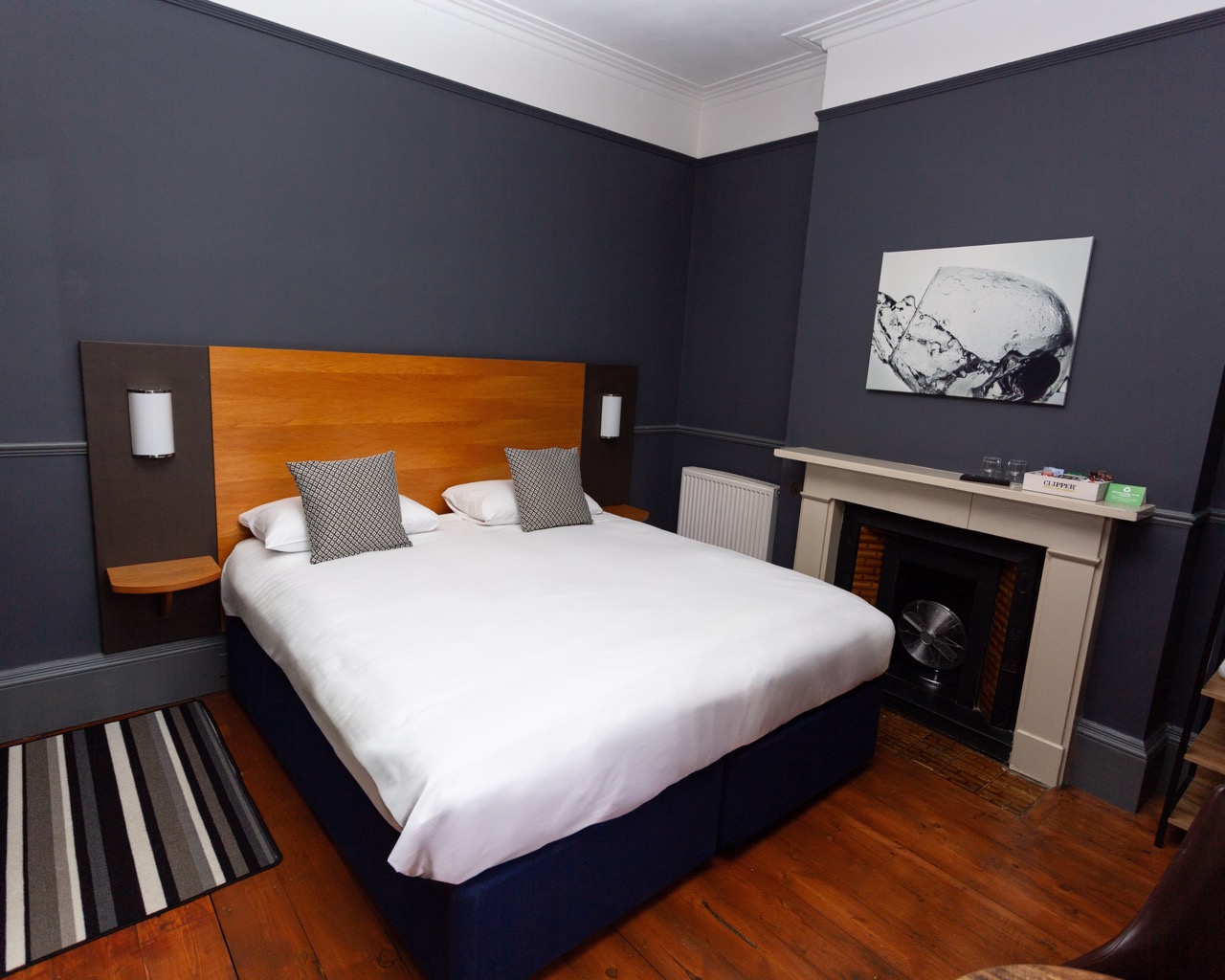
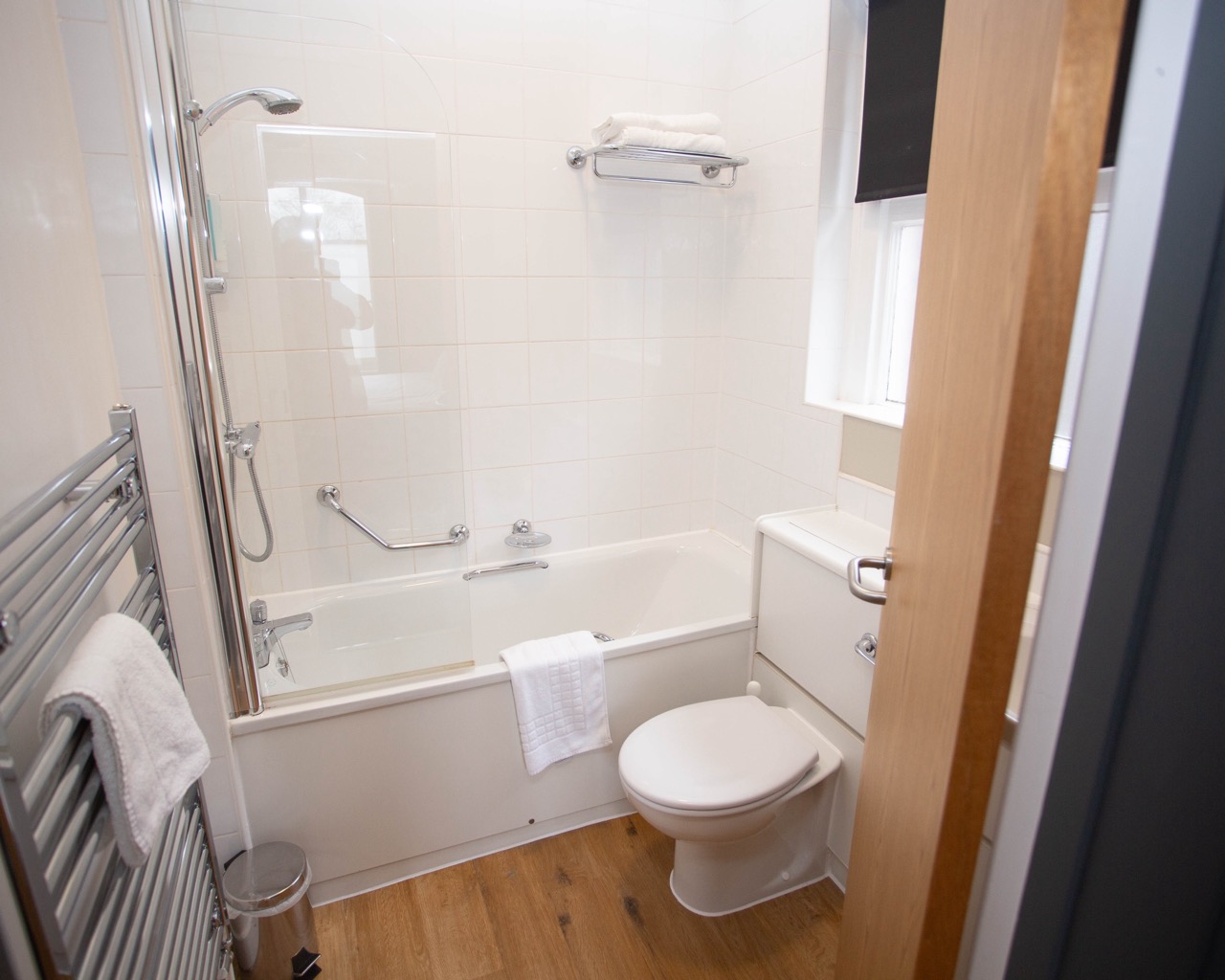
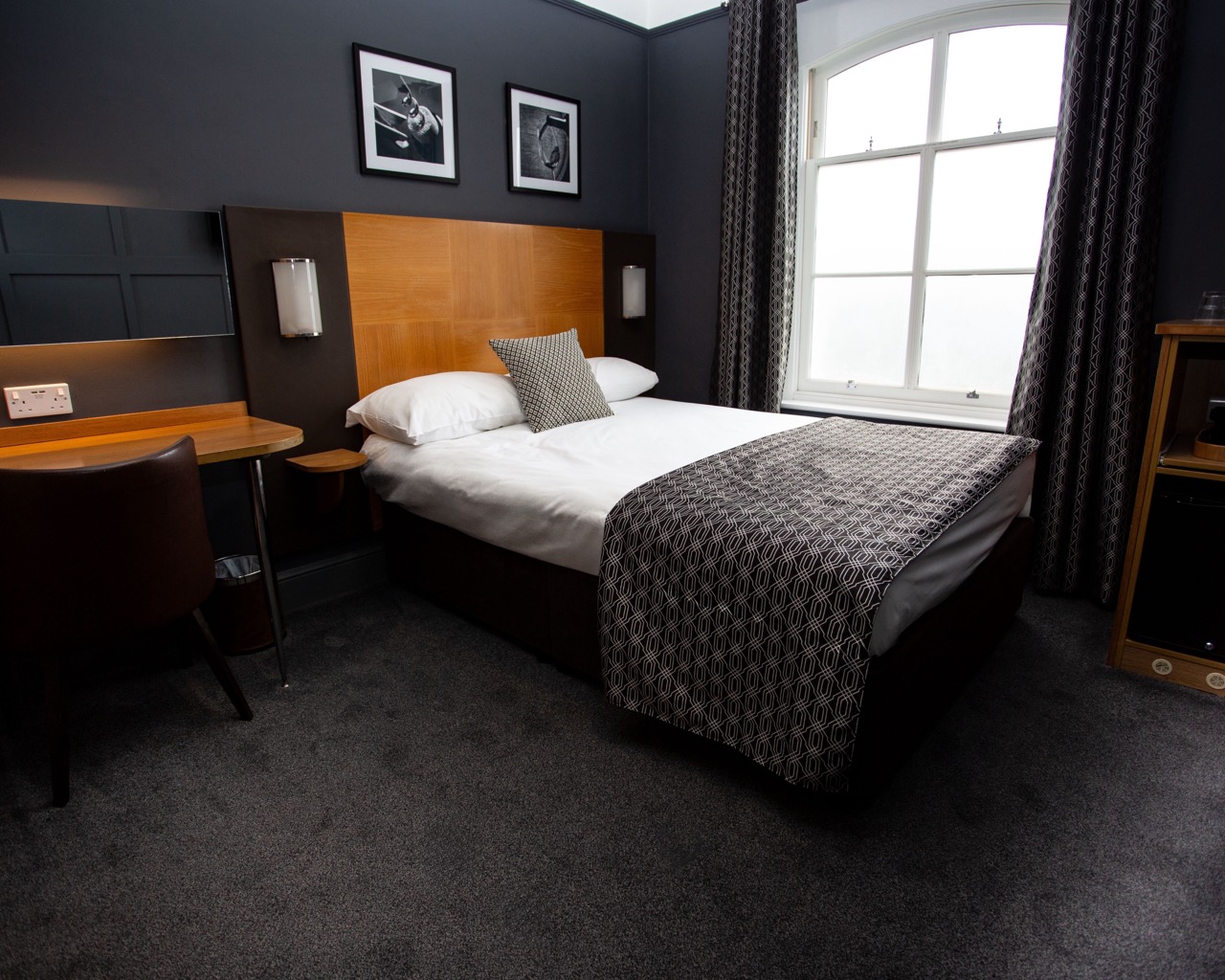
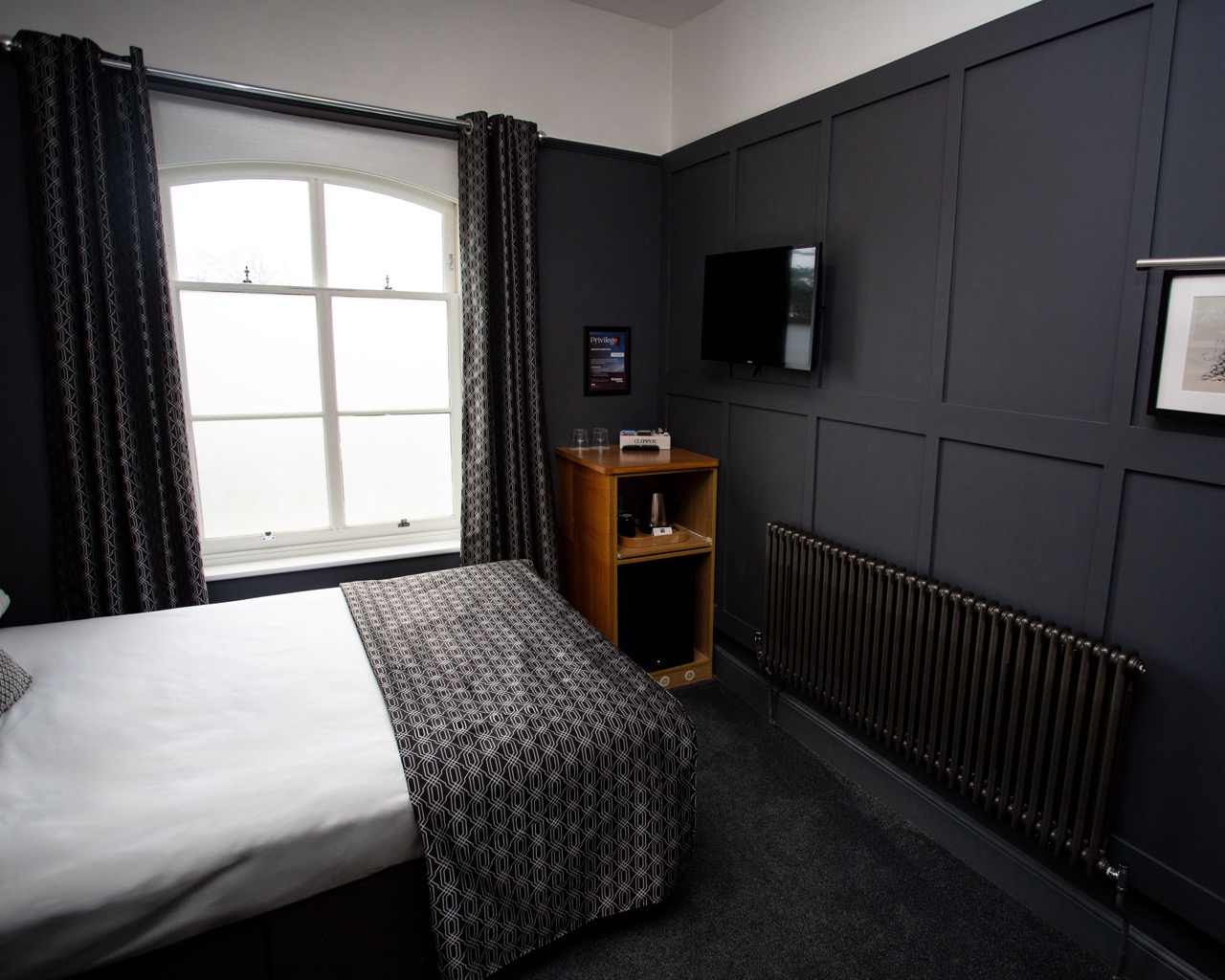
The Corner House Hotel offers Standard Double and Superior Double Rooms for guests planning a stay in Taunton. If you’re weighing room type against your sleeping arrangements, the room descriptions can help you choose a category that suits your trip. The hotel also has a Dog-Friendly Room for guests travelling with a dog, giving another practical consideration when planning where to stay.
Once you know whether you prefer a shared bed or another room type, you can make a more informed choice for your visit. The Corner House Hotel’s rooms offer a welcoming base in Taunton, close to the Somerset countryside.
For help choosing a room, contact The Corner House Hotel.
Let your plans guide your choice. Consider how you and your fellow travellers prefer to sleep and share space. Thinking through those practical details can make the twin room vs double room decision feel less like a label puzzle and more like a comfortable fit for your visit.
Planning a stay in Taunton? The Corner House Hotel offers a range of room types to suit different trips. Knowing your preferred bed arrangement is a useful starting point as you plan a visit to Somerset.
Contact The Corner House Hotel to discuss your stay, and look forward to making Taunton your base.
A twin room has separate beds, while a double room is arranged around one shared bed. The distinction matters when booking for people with different sleeping preferences. Colleagues travelling together, for example, may prefer separate beds, while partners may prefer to share. Room names describe the usual setup, so the listed bed details are the clearest guide.
In the UK, a single or twin bed is around 190 centimetres long by 90 centimetres wide. A double bed is typically 190 centimetres long by 137 centimetres wide, though its width can vary slightly. These dimensions help you picture the space available, particularly if you’re comparing familiar bed sizes with those used in another country.
Look for the bed details in the room description and booking information rather than relying on the room name alone. Phrases such as “two single beds” or “one double bed” make the layout clearer. Keep your confirmation and review it if you change your dates or room, as the booking category may change.